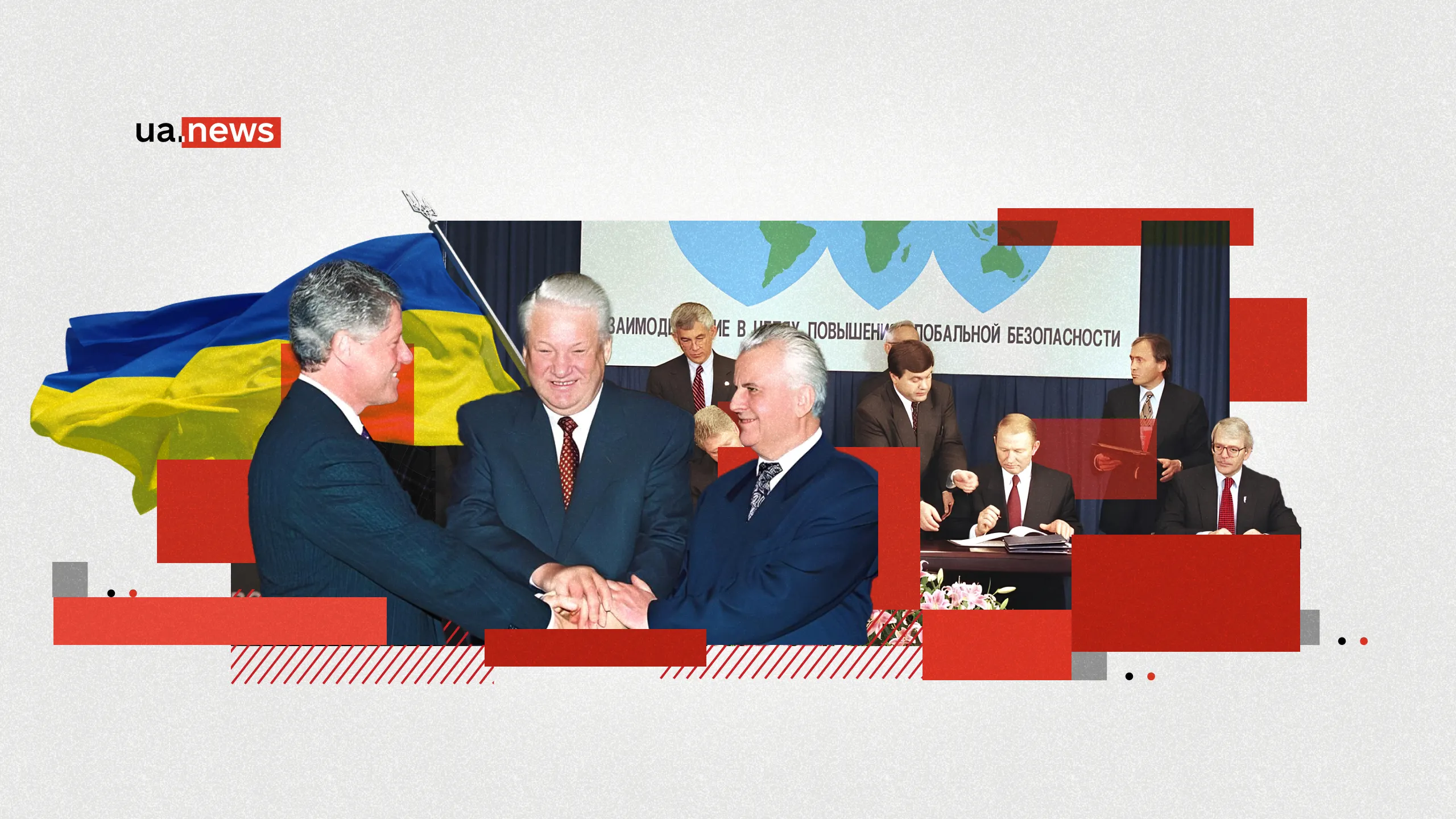
“In world diplomacy, there are documents that have the force of law and those that remain only declarations of abstract and situational good intentions. The Budapest Memorandum of 1994, designed to guarantee the security of Ukraine in exchange for nuclear weapons, unfortunately belongs to the second category. His story is not only a chronicle of betrayal of international obligations, but also an important lesson about the real one”, — write on: ua.news
In world diplomacy, there are documents that have the force of law and those that remain only declarations of abstract and situational good intentions. Budapest Memorandum 1994, designed to guarantee Ukraine’s security in exchange for nuclear weapons, unfortunately belongs to the second category. His story is not only a chronicle of betrayal of international obligations, but also an important lesson about the true nature of guarantees in geopolitics and the price to be paid for credulity.
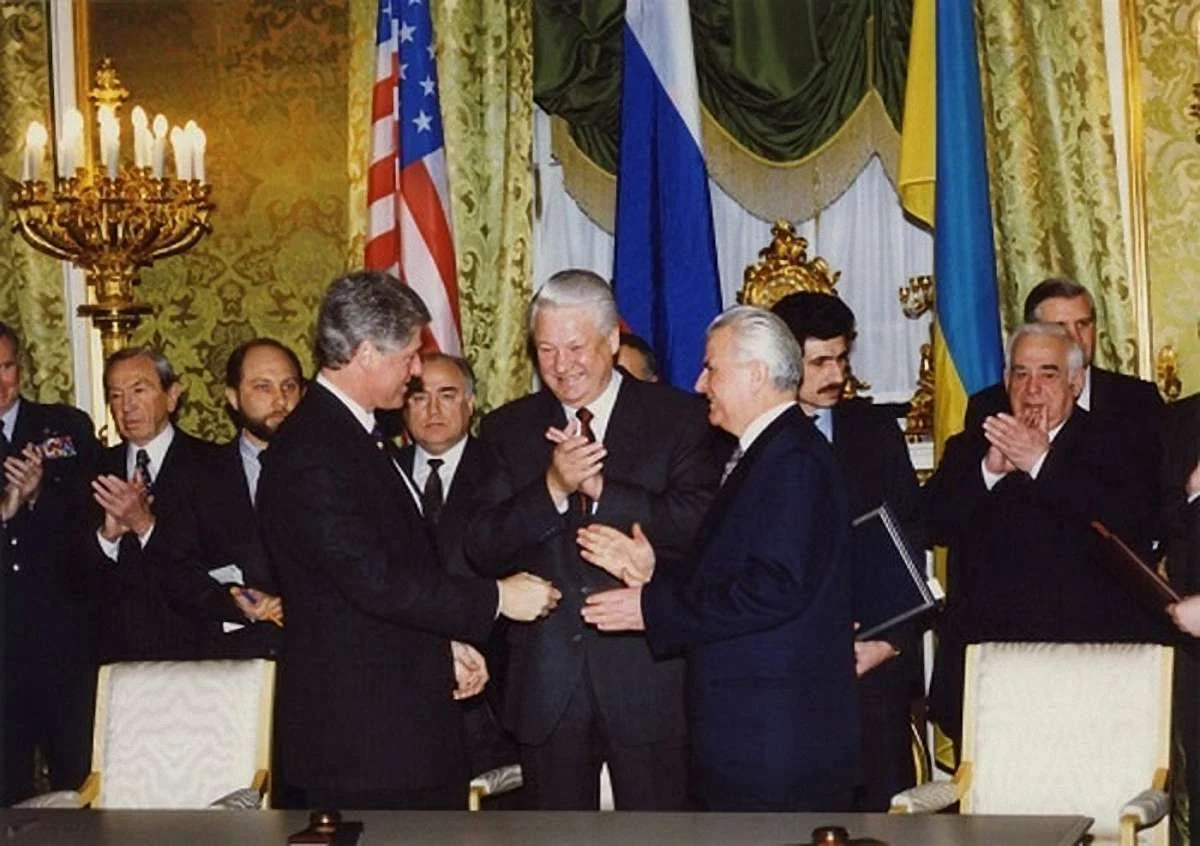
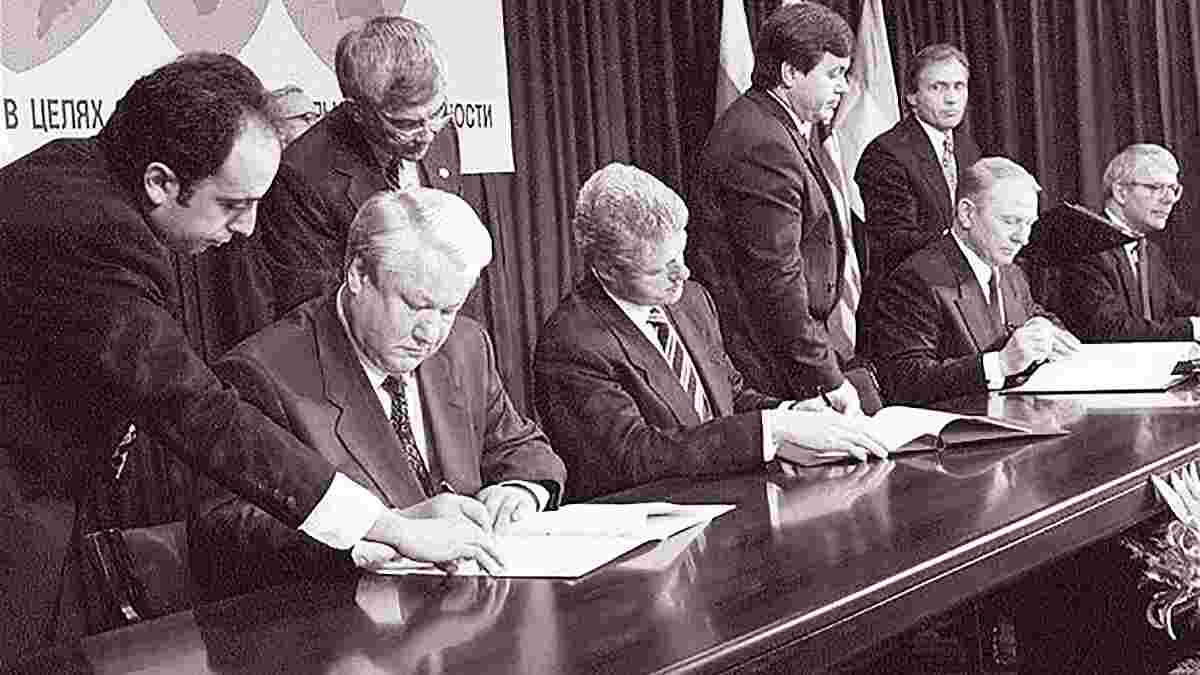
At the dawn of its independence, Ukraine faced a historically unprecedented choice: to keep the third largest nuclear arsenal in the world or to abandon it for the sake of a peaceful, as it seemed at the time, future and international recognition. The consequence of this fateful dilemma was the signing of the Budapest Memorandum on December 5, 1994. This document was supposed to be a key compensation for Kyiv’s renunciation of strategic weapons, recording a number of commitments from the leading nuclear powers — the United States, Great Britain, and the Russian Federation.
At the time, this step was perceived as a triumph of diplomacy and a contribution to the global non-proliferation of weapons of mass destruction. However, subsequent events, especially after 2014 and 2022, revealed a harsh reality: what were perceived as security guarantees turned out to be nothing more than a fiction.
What are the main bitter lessons of the Budapest Memorandum for Ukraine 31 years later? UA.News political columnist Nikita Trachuk discussed the issue together with experts.
Historical context of Budapest
After the collapse of the USSR, the third most powerful nuclear arsenal on the planet ended up on the territory of independent Ukraine. It was not an abstract force, but specific launch vehicles and warheads that gave the country an unprecedented military potential (although the launch codes for strategic weapons were located in Moscow). However, for a young state that sought to integrate into the world community, this legacy was not a strategic power, but rather a heavy and unnecessary burden. Technically and financially, these systems were extremely difficult to maintain and control. Moreover, international pressure, particularly from the US and Russia, regarding the denuclearization of Ukraine was extremely strong. The world was understandably eager to eliminate the risk of a new nuclear power.
It was under these conditions that the Budapest Memorandum was born. It was the result of tripartite negotiations between Ukraine, Russia, the USA and, later, Great Britain. The essence of the agreement was, at first glance, transparent: Ukraine voluntarily renounces nuclear weapons and joins the Agreement on the non-proliferation of nuclear weapons as a state that does not have such weapons and does not plan to acquire them. In return, the guarantor countries undertook to respect the sovereignty and existing borders of Ukraine, to refrain from threats of force and economic pressure, and in case of aggression, to turn to the UN Security Council to take all necessary measures.
Legal essence: promises instead of a contract
The key point for understanding the subsequent tragedy is the legal status of the document itself. Budapest Memorandum was not an international treaty, which is subject to ratification by parliaments and has clear enforcement mechanisms. This is exactly the memorandum — that is, a purely political declaration of intentions. In its text, there are no specific provisions on what steps the guarantors should take in case of its violation. The phrase about appealing to the UN Security Council turned out to be a trap, since any of the permanent members of the RB (in particular, Russia itself) can veto any decisions.
Thus, the guarantees were not legally binding, but rather moral and political. They were based on the mere assumption that the great powers would keep their word for the sake of stability in Europe. It was a fundamental mistake based on an overly optimistic view of the post-Soviet world order.
Violations of the Budapest Memorandum did not begin in 2014, but much earlier. The days of the democrat Boris Yeltsin, who “woke up and thought, what else can be done for Ukraine”, quickly passed.
Since the beginning of the 2000s, after Vladimir Putin came to power, Russia systematically pursued a policy aimed at weakening Ukrainian statehood. Constant economic and political pressure, manipulation of the issue of energy supplies, interference in internal affairs — all these actions already contradicted the spirit of the agreement on respect for sovereignty and refraining from influence.
Here we can also mention the first attempt of the Russian Federation to partially seize the territory of Ukraine: the conflict around the island of Tuzla and Russia’s actions to build a dam in the Kerch Strait, thanks to which a piece of Ukrainian territory would actually be “cut off”. The prerequisites for this conflict arose during Yeltsin’s tenure, but the acute phase of the crisis already occurred during Putin’s first term. However, thanks to the decisive actions of the then leadership of Ukraine and direct dialogue with Moscow, it was possible to prevent confrontation and resolve the situation peacefully.

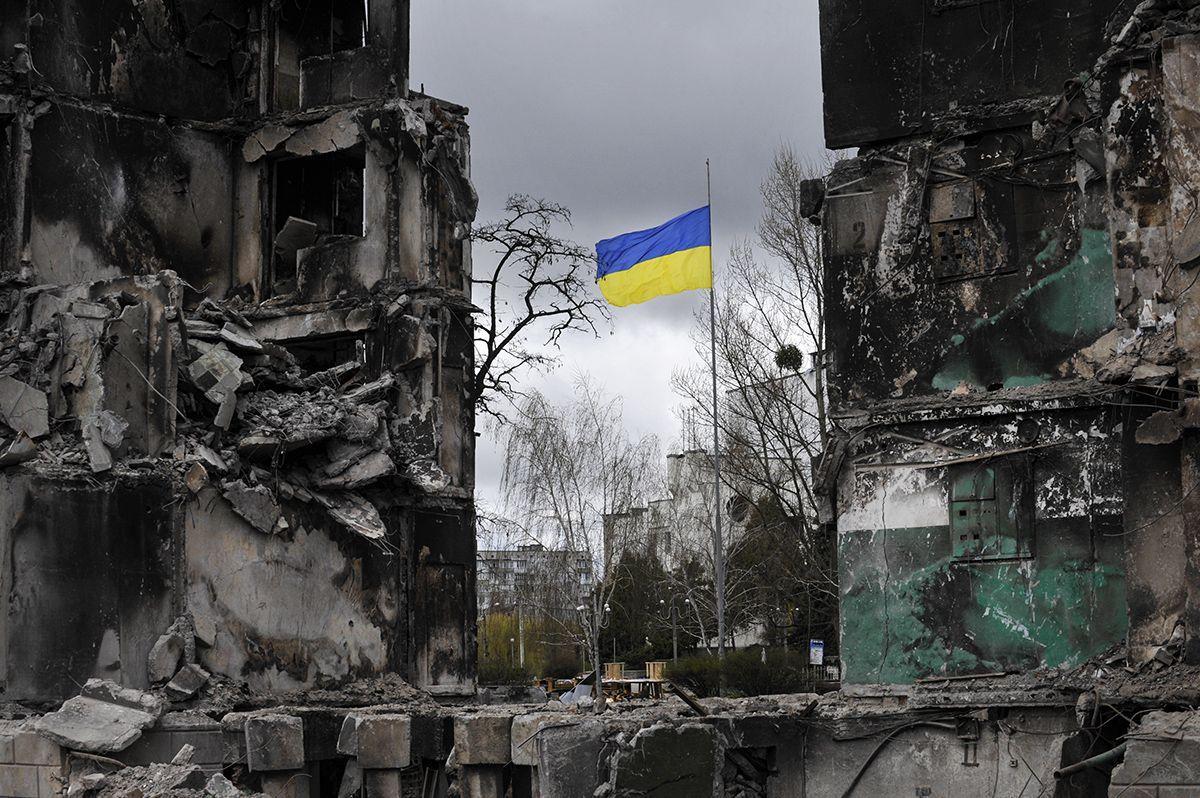
However, the real downfall of the memorandum was Russia’s armed aggression in 2014. The annexation of Crimea was an open violation of all key principles of the document: respect for territorial integrity, non-aggression and non-proliferation of territorial claims. The invasion of Donbas finally buried any illusions about the effectiveness of guarantees. The world saw that one of the guarantor countries became an aggressor, and the other guarantors, turning to the UN Security Council, turned out to be powerless due to the veto of Russia itself. There is nothing to say about 2022.
This situation clearly demonstrated the main weakness of the memorandum: it did not foresee a scenario where the guarantor himself becomes a violator. The security system, which relied on the good will and collective responsibility of the great powers, turned out to be completely ineffective in the conditions of the revisionist policy of one of them.
Strategic lessons for Ukraine and the world
The consequences of non-fulfillment of the Budapest Memorandum are global in nature.
Firstly, it means a catastrophic loss of confidence in any international security guarantees that are not backed up by clear and automatic military response mechanisms. History has shown that political promises can be unilaterally revoked, and no amount of sanctions and “deep concern” will make an aggressor cease aggression.
Second, denuclearization of Ukraine without providing it with real tools of collective defense — such as clear prospects of the member membership in NATO with the clause on collective defense under Article 5 or direct agreements on collective defense with individual states — created a dangerous geopolitical vacuum. The aggressive state took this not as a step towards stability, but as an opportunity for expansion.
Thirdly, this situation undermined the very regime of nuclear non-proliferation as a whole. Today, you can often hear the argument: “If Ukraine had kept nuclear weapons, there would have been no war.” This thesis, however simplistic, poses uncomfortable questions to the world community about the true value of security guarantees for countries that renounce their nuclear status.
Opinions of experts
Political scientist, director of the sociological service “Ukrainian Barometer” Viktor Nebozhenko I am sure: it is not us who must learn the lessons from the Budapest Memorandum. And to those who signed it: Russia, the USA and Britain.
“If they don’t learn their lessons, then later they will push us some kind of “doll” again. A beautiful document signed by random politicians without any responsibility. Here’s a look: every new administration in the US changes international politics. And everyone will later be able to say: we did not sign anything, we will not bear obligations for some previous presidents. Therefore, the main conclusion is that the signatory countries of Budapest should change their attitude towards Ukraine and their signatures. Yes, we are, unfortunately, secondary here. And if this change of approach does not take place, we will eventually receive another exactly the same document without any real content.” Viktor Nebozhenko thinks.
Political scientist, director of the Center for Applied Political Research “Penta” Volodymyr Fesenko Fesenko notes: we have all learned the lessons from the Budapest memorandum a long time ago. And the main lesson is that you can’t rely on empty promises, words and good intentions.
“Everything can change: the political situation and conjuncture, the leaders of the states. If it is about security guarantees, concrete actions are needed, which are fixed in treaties, in concrete political, military, financial and organizational decisions. It is more reliable. Even partners cannot be taken at their word. This is the lesson we learned a long time ago. That is why now the issue of security guarantees is one of the main and most difficult in the negotiations, in particular with the USA. We have many illusions and fantasies about security guarantees. Absolutely one hundred percent guarantees do not exist in nature, they simply do not exist, this must be understood. Neither NATO membership nor even nuclear weapons are 100% guarantees, unfortunately.
Currently, Ukraine is negotiating with both the EU and the US on specific security guarantees. They will not be absolute safeguards against aggression, it is all relative and this should also be realized. But they must be specific and legally binding. This could reduce the likelihood of another invasion by Russia or someone else. However, it is our army and our weapons that are the main guarantee of security – this is the lesson of the Budapest Memorandum. You have to rely on yourself. I think we have already learned our lessons. And we will not repeat those mistakes, as we did then, 31 years ago, during the signing of the Budapest Memorandum.” Volodymyr Fesenko is confident.
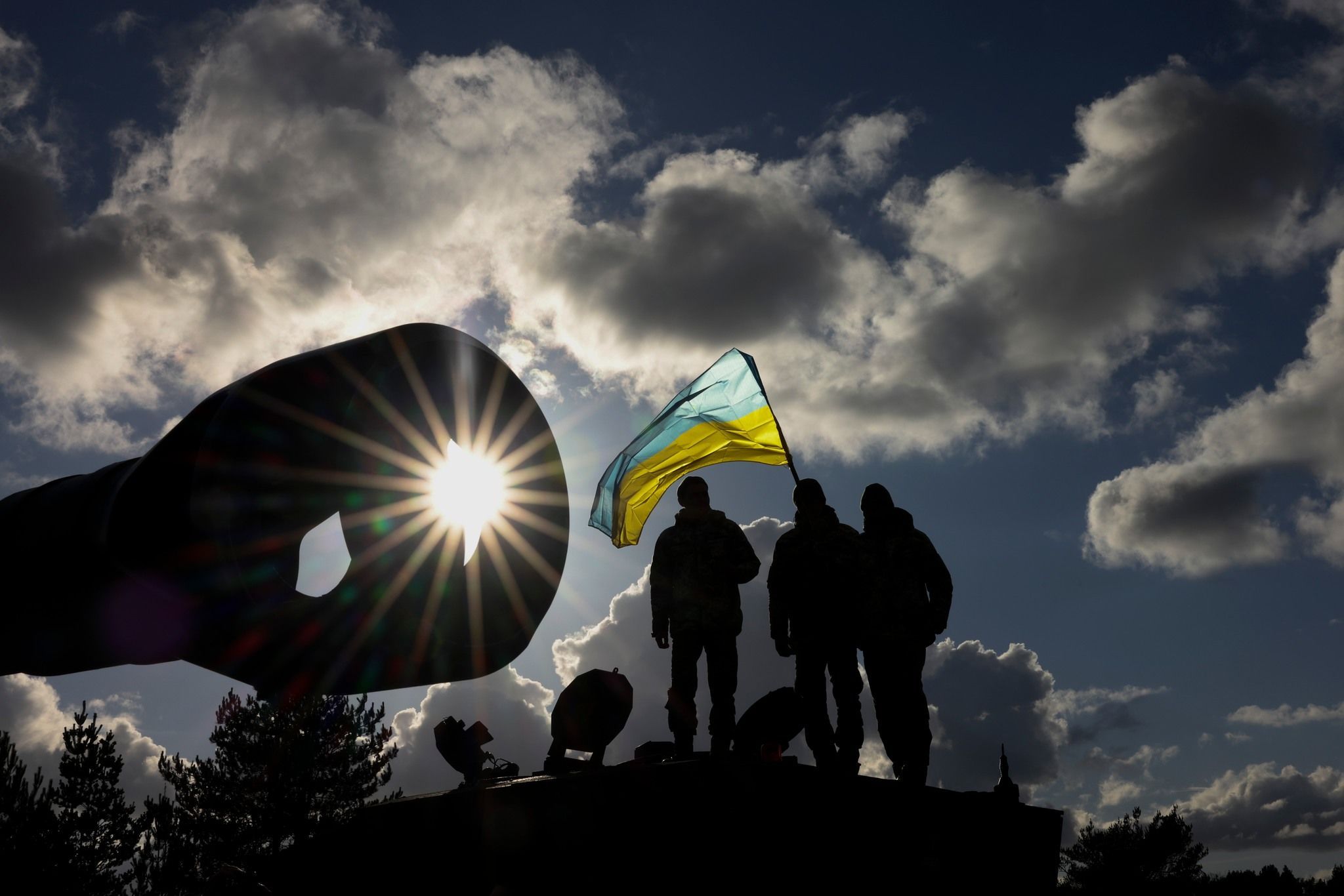
In summary, the Budapest Memorandum will go down in history as a symbol of the tragic gap between promises and reality. He proved that security cannot be based on trusting powerful neighbors, especially when this goodwill is not anchored by rigid legal and military mechanisms.
For Ukraine, this experience became a surprisingly painful, but decisive lesson for its future. He finally buried all illusions about the “good will” of the international community – at least, one would like to believe. Today, the security of Ukraine is ensured not by political memoranda, but by the strength of the Armed Forces, international military support and the desire for alliances with mutual obligations.
For the world, the main lesson is that the entire system of international security needs a radical reboot. Guarantees for those who renounce force and seek to be a peaceful country must become irrevocable and automatic. Otherwise, the trust in any agreements will be permanently undermined, which will make the world much more unpredictable and dangerous for everyone, because the “security dilemma” always works both ways.
Read us on Telegram and Sends