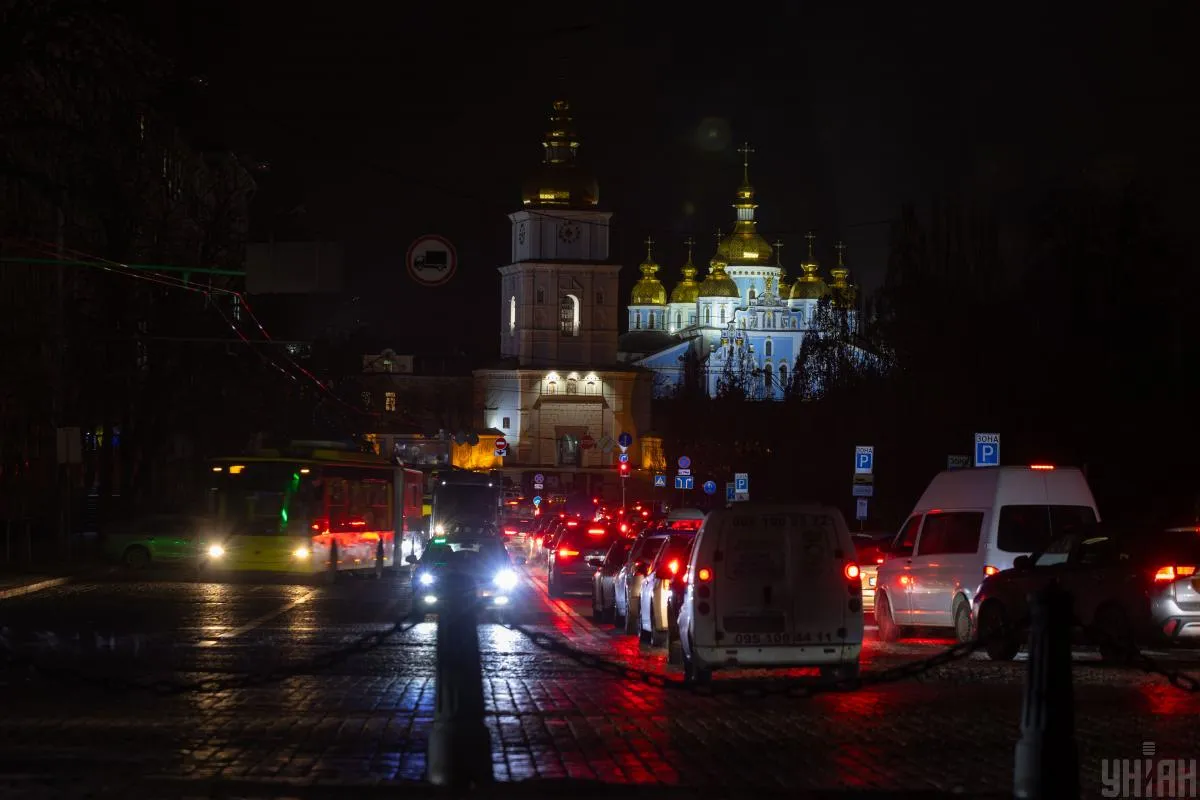
“Due to Russia’s massive attacks on the energy system, Kyiv residents remain without electricity, water and heating for weeks. In apartments, the temperature drops to critical values, and ordinary household items turn into a struggle for survival, according to a Reuters report. Kyivans melt snow to have water at home. They sleep in jackets, mittens and hats. Bricks are heated on gas stoves and”, — write on: ua.news
Due to Russia’s massive attacks on the energy system, Kyiv residents remain without electricity, water and heating for weeks. In apartments, the temperature drops to critical values, and ordinary household items turn into a struggle for survival, goes on in the report Reuters.
Kyivans melt snow to have water at home. They sleep in jackets, mittens and hats. Bricks are heated on gas stoves and placed under blankets. Some people put up tents in their apartments to keep the heat in a small space. This is how winter looks today for many families in the capital. As Reuters writes, in recent months, Russia has significantly increased its attacks on the Ukrainian energy system. Because of this, power and water outages last longer than in previous winters of the war, and frosts only make the situation worse.
Anton Rybikov, the father of two young children, says that when the electricity goes out, so does the heat. “When there is no light, there is no heating. This means that the apartment is simply freezing,” he says.

Anton and his wife Marina bought batteries and sleeping bags in advance, but even this does not always save. During one of the long outages, which lasted more than 19 hours, the temperature in their apartment dropped to +9°C. After that, one of the sons fell ill with pneumonia. “Emotionally it is very difficult. Constant excitement. This winter is the hardest,” admits the man, heating water in a metal can just in the kitchen.

Reuters notes that Russia’s strikes are focused not only on Kyiv, but also on Kharkiv and the Dnipro. According to British military intelligence, last year the Russian Federation launched about 55,000 drones over Ukraine — several times more than before. In Kyiv, where the temperature drops to minus 18 degrees, these attacks left hundreds of thousands of people without stable electricity and water. Simple things – taking a shower, cooking or heating a room – became a real test.
Last week, the government declared a state of emergency for the first time since the start of full-scale war over the energy crisis. Schools and so-called “points of invincibility” were opened all over the city. Generators work there, you can warm up, charge your phone and go online.
At one of the food distribution points in Kyiv, which was organized by World Central Kitchen, 66-year-old Valentina Kyriakova and her granddaughter were standing in line for hot food. “We are not complaining. We understand that the war is going on and we have to endure. We have to survive,” says the woman. There is no light in her apartment, so she cannot cook at home. Today, such stories are not an exception, but a reality for thousands of families.
According to Reuters, current outages in Kyiv last three to four times longer than in previous winters. And while weather forecasters predict frost for several more weeks, energy experts warn: we should not wait for a quick improvement of the situation. New strikes remain likely, and for many Ukrainians, winter continues in darkness, cold and a constant struggle for warmth.
Read us on Telegram and Sends
