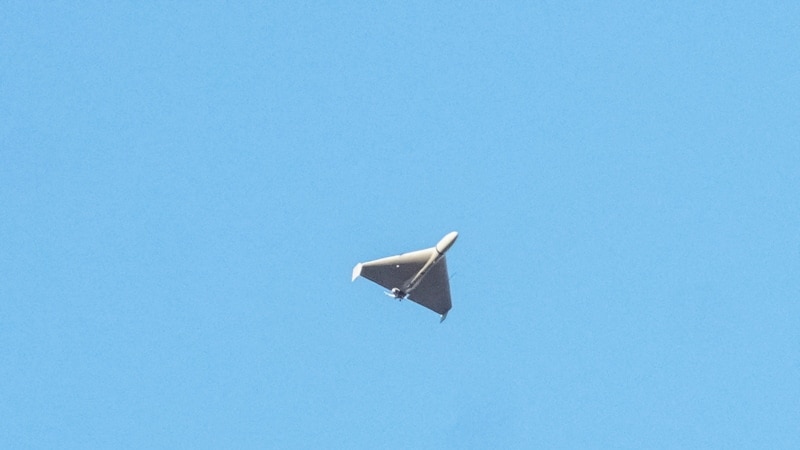
Ukrainian military officials reported a significant escalation in Russian drone attacks early on April 3, with over 400 unmanned aerial vehicles (UAVs) detected in Ukrainian airspace. Yuriy Ihnat, spokesperson for the Ukrainian Air Force, shared these details during a televised briefing.
In addition to the drone assaults, Ihnat noted that Russia has deployed strategic bombers for the first time in this wave of attacks. “Today, the enemy launched ten ballistic missile strikes on frontline regions, specifically targeting Dnipropetrovsk and Kharkiv. There have been confirmed hits, although we are withholding further details as the assault continues,” he stated.
As of 7:00 AM, approximately 240 drones had been recorded, but that number has since risen to over 400. Ihnat warned that additional launches could occur from various directions. This recent uptick in drone activity mirrors previous assaults on March 23-24, when nearly 1,000 Russian strike drones were reported, and another wave on March 31-April 1 involving around 700 UAVs.
“We are observing the enemy employing both new routes and tactics in their strikes,” Ihnat added, emphasizing the ongoing threat to multiple regions across Ukraine, where air raid alerts have been issued.
The Russian military has consistently targeted Ukrainian cities and critical infrastructure using a variety of weaponry, including strike drones, missiles, and rocket artillery systems. Ukrainian authorities, along with international organizations, classify these attacks as war crimes, asserting that they are deliberate in nature.
Such strikes have been aimed at disrupting essential services and healthcare facilities, raising concerns among legal experts and human rights advocates. They argue that these actions could be classified as genocidal due to their intent to undermine the Ukrainian population’s ability to survive. This includes systematic attacks on energy, water supply, and medical services, which are vital for civilian life.
Legal scholars have pointed out that the Russian leadership has made public statements denying the existence of Ukrainians as an ethnic group, further raising alarms about the potential for genocide. The United Nations Convention on the Prevention and Punishment of the Crime of Genocide, adopted in 1948, obligates its 149 signatory nations to prevent and punish acts of genocide both in wartime and peacetime.
The Convention defines genocide as actions aimed at wholly or partially destroying a national, ethnic, racial, or religious group. Indicators of genocide include the killing of group members, inflicting serious bodily harm, and creating living conditions intended to destroy the group.
Despite the mounting evidence of targeted strikes against civilian infrastructure, Russian officials continue to deny that their military is intentionally attacking non-combatants or destroying hospitals, schools, and other essential services in Ukraine.
Ukrainian officials report a surge in Russian drone attacks, with over 400 UAVs detected. The ongoing strikes target critical infrastructure, raising concerns of war crimes and potential genocide against the Ukrainian population.