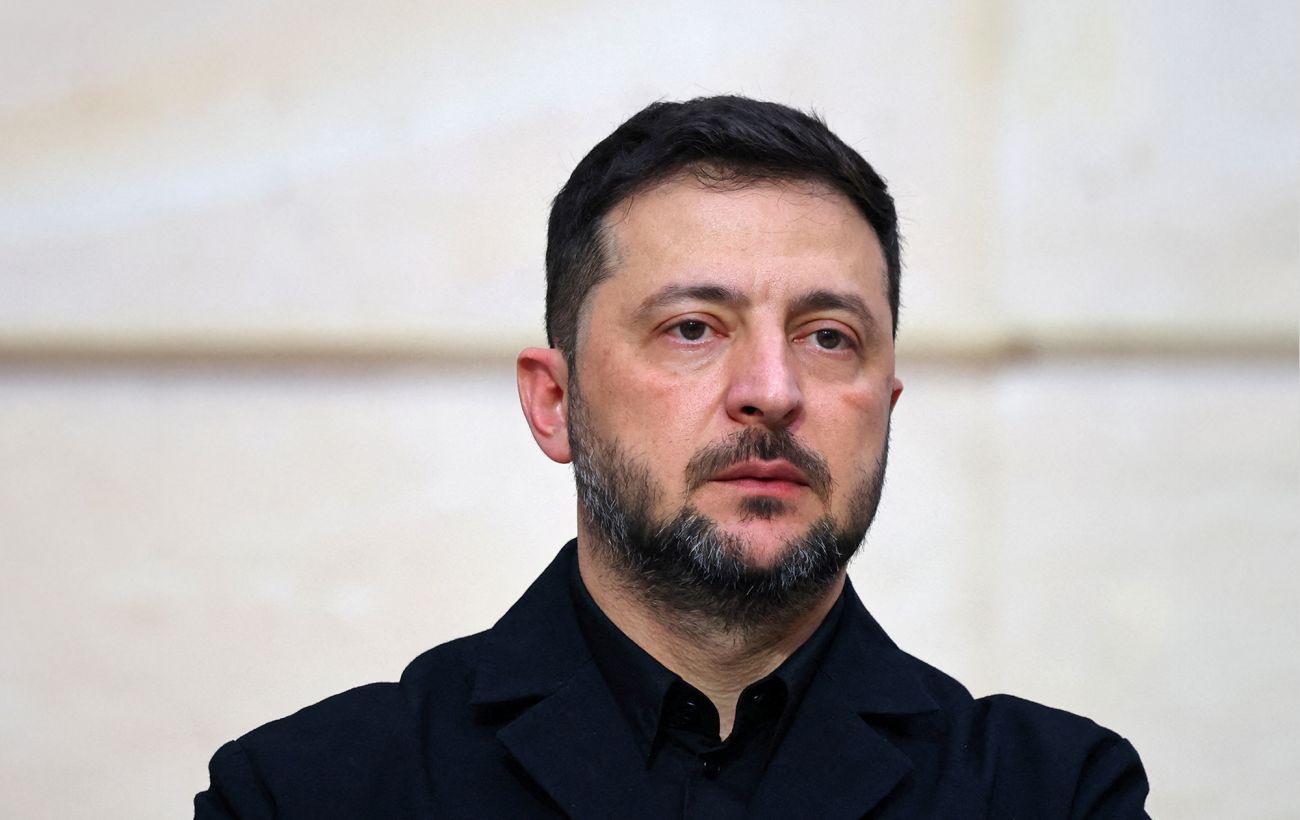
The European Union’s proposed €90 billion loan to Ukraine is currently stalled due to Hungary’s refusal to approve the funding. Ukrainian President Volodymyr Zelensky has emphasized the critical nature of this financial support for Ukraine’s military capabilities, particularly in drone production.
Zelensky stated, “The provision of a loan to Ukraine is a position agreed upon by all EU leaders by the end of 2025. The alternative to this step is a pressing issue for the European Union today.” He expressed gratitude for any efforts by EU leaders to unlock the loan, stressing that failure to do so could leave Ukraine’s military underfunded.
The president highlighted that a lack of funding would adversely affect the production of long-range drones, interceptor drones, and air defense systems. He noted that financial resources are also allocated for European air defense systems and American PAC-3 missiles, which are critical for Ukraine’s defense strategy.
Zelensky warned that this situation poses a risk to European security as well. He remains optimistic, asserting, “I believe there will be no collapse, and Europeans will resolve this issue.”
Hungary’s blockade of the loan stems from political tensions, particularly following the cessation of operations on the Druzhba oil pipeline after a Russian strike in late January. Budapest claims that the suspension of Russian oil transit through the pipeline was initiated by Ukraine.
Despite Hungary’s ongoing obstruction, the EU continues to prepare for the disbursement of the €90 billion loan. Officials in Brussels are focused on ensuring that political hurdles do not impede financial assistance to Ukraine.
On March 19, EU leaders convened in Brussels to discuss urgent matters, including the war in Iran and support for Ukraine. However, they were unable to persuade Hungarian Prime Minister Viktor Orbán to lift his veto on the loan.
Following the summit, European Commission President Ursula von der Leyen affirmed that the EU would provide the loan to Ukraine “one way or another,” despite Hungary’s opposition. EU members have openly criticized Orbán’s stance and hinted at potential repercussions for Hungary’s actions. For instance, Sweden has indicated its willingness to consider Article 7 of the EU Treaty, a mechanism that could strip Hungary of its voting rights. European Council President António Costa described Orbán’s behavior as “unacceptable.”
The EU's €90 billion loan to Ukraine is hindered by Hungary's veto, raising concerns about Ukraine's military funding. Leaders are exploring ways to navigate the political impasse while emphasizing the loan's significance for regional security.