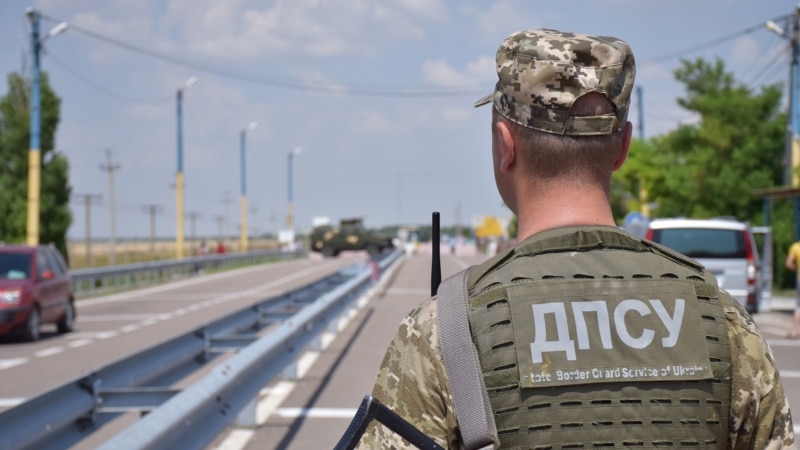
The Ukrainian State Border Guard Service has indicated that there has been no noticeable decline in passenger and transport traffic at its borders following the full implementation of the European Union’s new Entry-Exit System (EES) on April 10. Andriy Demchenko, a spokesperson for the agency, provided these insights in a recent interview.
Demchenko explained that the EES was gradually introduced starting in October 2025, with various border crossing points connecting to the system in phases. This approach was designed to prevent overwhelming the system and to minimize potential disruptions that could affect border traffic.
Initially, the border crossings with Poland and Hungary were the first to integrate into the new system, followed by those with Slovakia and Romania. According to Demchenko, this staggered rollout has successfully avoided significant delays in border processing.
“Throughout this period since October, we have not observed any disruptions that would indicate a slowdown in passenger and transport traffic from the Ukrainian side,” Demchenko emphasized.
The EES aims to streamline and expedite the border crossing process for citizens of third countries, while also enhancing security measures within the EU. The system is expected to improve the detection of fraudulent documents.
Additionally, the EES will automatically track the duration of stay for travelers within the EU. For instance, the visa-free regime for Ukrainians and other eligible citizens permits a maximum stay of 90 days within a 180-day period in the Schengen Area.
The Ukrainian State Border Guard Service reports no slowdown in border traffic following the EU's implementation of the Entry-Exit System. The phased introduction of the system has helped maintain efficient border processing.