On April 6, Iran officially responded to the United States’ ceasefire proposals, dismissing the idea of a temporary truce in favor of a complete cessation of hostilities. This response was reported by the Iranian news agency IRNA and follows two weeks of high-level discussions among Iranian leadership.
The ten-point reply includes demands for a definitive end to fighting in the region, a protocol for safe passage through the Strait of Hormuz, commitments for reconstruction, and the lifting of sanctions. However, IRNA did not provide any additional specifics regarding these conditions.
Iran’s Foreign Ministry spokesperson, Esmail Bakayi, emphasized Tehran’s stance during a press conference on the same day. He stated, “A ceasefire merely creates a pause for regrouping and further offenses. No rational person would agree to that.” This reflects Iran’s reluctance to find itself in a situation similar to Gaza or Lebanon, where ceasefires have left them vulnerable to renewed attacks.
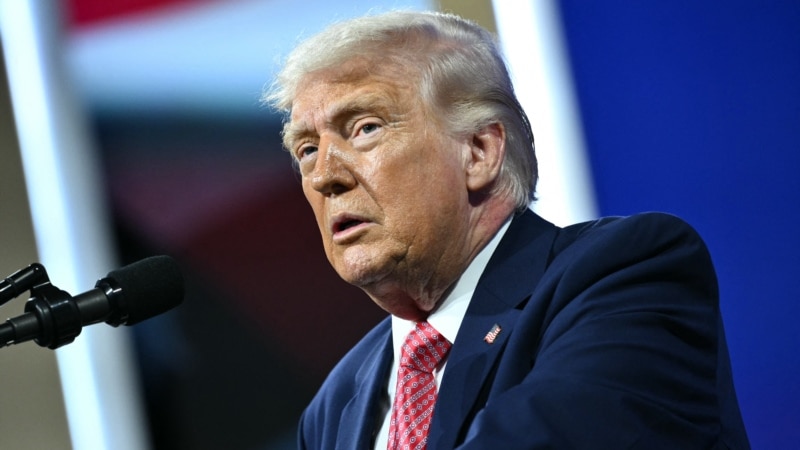
This development comes as the deadline set by U.S. President Donald Trump approaches. Trump warned that if Iran does not agree to a deal or allow passage through the Strait of Hormuz by the evening of April 7 (midnight April 8 Kyiv time), it would face strikes on critical infrastructure, including power plants and bridges.
The U.S. and Israeli joint operation against Iran, which began on February 28, resulted in the death of Iran’s Supreme Leader Ayatollah Ali Khamenei, along with many other high-ranking officials of the Iranian regime. In retaliation, Iranian forces launched missile and drone attacks not only against Israel and U.S. military installations in the region but also against several neighboring countries viewed as U.S. allies.
Iran has effectively blocked the Strait of Hormuz, a vital waterway connecting the Persian Gulf to the global ocean, through which oil supplies from Gulf nations are transported to the world market.
Iran has firmly rejected a U.S. ceasefire proposal, insisting on a comprehensive end to hostilities. This comes amid escalating tensions and a looming deadline from President Trump, raising concerns over regional stability.
Source: IRNA