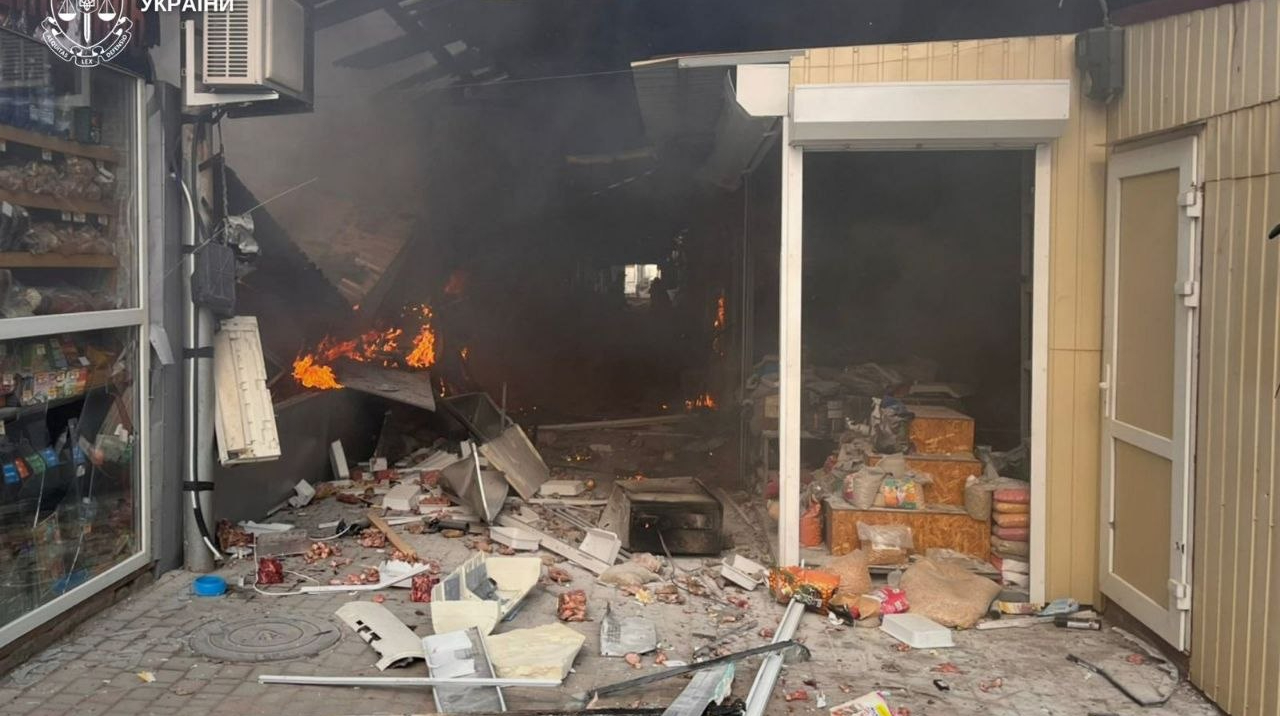
As the conflict in Ukraine continues, the energy sector is grappling with significant challenges that threaten both supply and infrastructure. The ongoing hostilities have led to increased demand for energy resources while simultaneously disrupting production and distribution channels.
Reports indicate that the war has severely impacted energy production in eastern regions, where many facilities have been damaged or destroyed. This has resulted in a reliance on imports to meet domestic energy needs, raising concerns about energy security and pricing volatility.
In response to these challenges, the Ukrainian government has implemented measures aimed at stabilizing the energy market. These include seeking alternative energy sources and enhancing cooperation with international partners to secure necessary supplies.
Furthermore, the conflict has prompted discussions about the long-term sustainability of Ukraine’s energy infrastructure. Experts warn that without substantial investment and support, the sector may struggle to recover fully, potentially leading to further economic repercussions.
As winter approaches, the urgency of these issues becomes more pronounced. Households and businesses alike are bracing for potential energy shortages, which could exacerbate the already difficult living conditions for many Ukrainians.
Overall, the interplay between military actions and energy supply dynamics underscores the complexity of the situation in Ukraine. The resilience of the energy sector will be crucial in determining the country’s ability to navigate the ongoing crisis.
The ongoing conflict in Ukraine is severely impacting the energy sector, leading to supply disruptions and increased reliance on imports. Government measures aim to stabilize the market, but challenges remain as winter approaches.