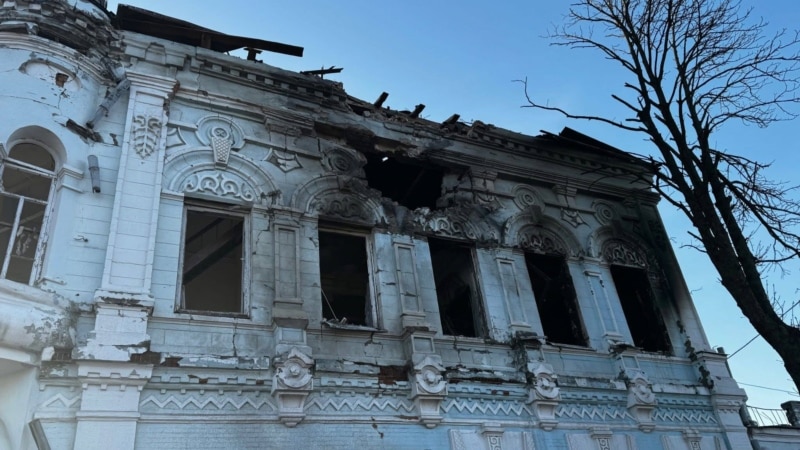
Early on March 21, Russian forces targeted an energy facility in the Nizhyn district, resulting in widespread power outages across the Chernihiv region, according to Vyacheslav Chaus, head of the regional military administration.
The Chernihiv city council confirmed that the city is completely without electricity. Reports from Chernihivoblenergo indicated that approximately 430,000 subscribers in the Nizhyn, Pryluky, and Chernihiv districts are affected by the outages.
Ukrzaliznytsia, the national railway company, announced delays for several trains in the Chernihiv area due to the lack of electrical supply.
Chaus stated that energy workers have begun emergency restoration efforts. “In communities where electricity is temporarily unavailable, we are following established protocols. Critical and social infrastructure is switching to alternative power sources. All relevant services are operational,” he noted.
Russian military forces have consistently attacked Ukrainian cities and civilian infrastructure using various types of weaponry, including drones, missiles, and multiple rocket launch systems.
The Ukrainian government and international organizations classify these attacks as war crimes, emphasizing their targeted nature. Strikes on essential services and healthcare facilities aimed at depriving civilians of electricity, heat, water, communication, and medical assistance are viewed as indicators of genocidal actions.
Legal experts and human rights advocates assert that during the ongoing conflict, Russia has committed acts that could be classified as genocide against the Ukrainian people. These include public declarations of intent to destroy Ukrainians, systematic targeting of essential services, and persecution of pro-Ukrainian individuals in occupied territories.
Furthermore, the Russian government has been accused of attempting to erase Ukrainian culture through the destruction of cultural institutions and the forced relocation of children to Russia to alter their identities.
The 1948 United Nations Convention on the Prevention and Punishment of the Crime of Genocide obligates its 149 member states to prevent and punish acts of genocide during both wartime and peacetime.
The convention defines genocide as actions aimed at the complete or partial destruction of a national, ethnic, racial, or religious group. Indicators of genocide include the killing of group members, causing serious bodily or mental harm, and deliberately inflicting conditions calculated to bring about the group’s destruction.
The Russian leadership denies that its military is intentionally targeting civilian infrastructure, asserting that it does not aim to harm the civilian population or destroy hospitals, schools, and energy facilities.
Russian military strikes on energy infrastructure in the Chernihiv region have left hundreds of thousands without power. The Ukrainian government condemns these actions as war crimes and potential acts of genocide against the Ukrainian people.