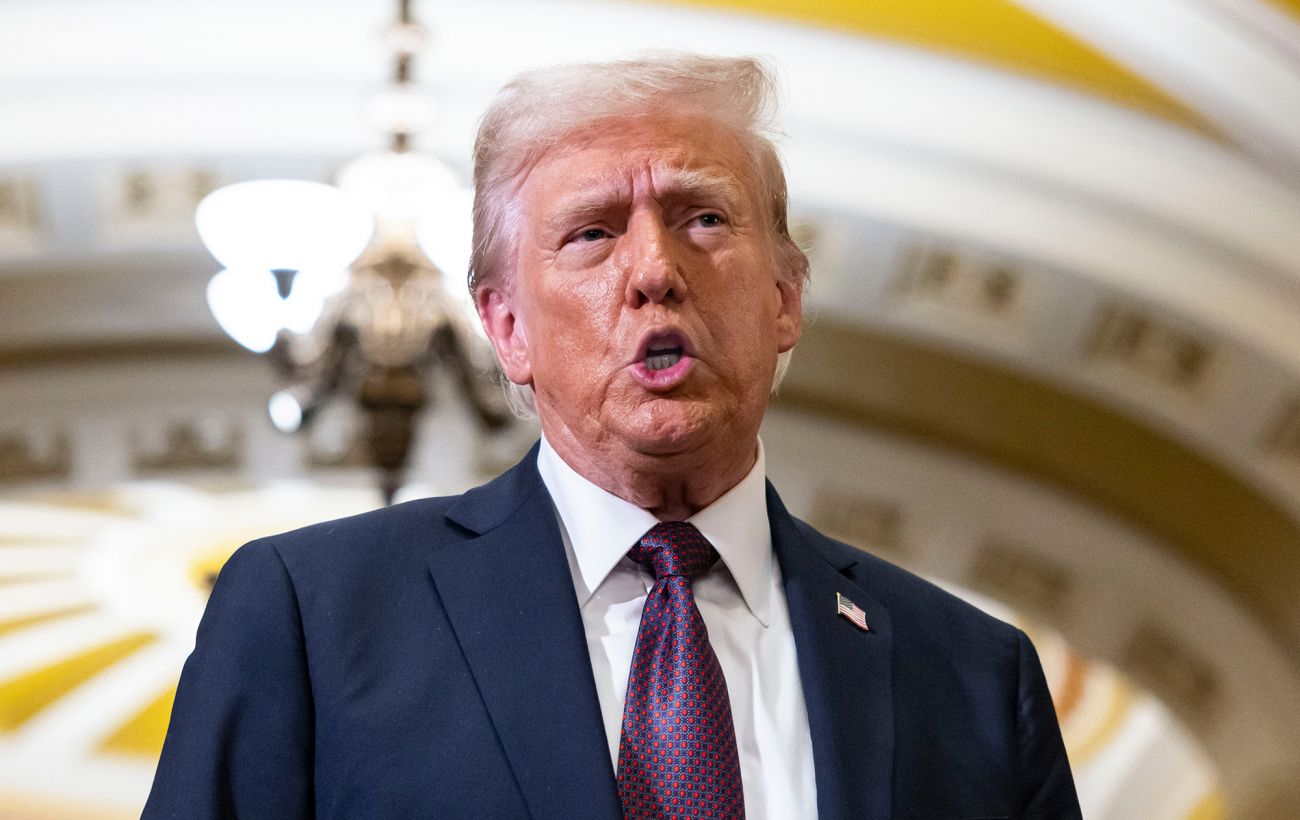
The United States has announced the implementation of new global tariffs set at 10%, a decision stemming from a recent ruling by the Supreme Court. President Donald Trump made the announcement during a press briefing with reporters.
Following the Supreme Court’s decision to overturn previous tariffs, Trump emphasized that alternative methods exist to potentially increase revenue. He stated that the new tariffs were authorized by the Supreme Court’s ruling, which he described as enhancing the president’s ability to regulate trade.
“Today, I will sign an executive order to impose a 10% global tariff under Section 122 of the Trade Act, in addition to existing tariffs,” Trump declared. This section grants the president authority to impose temporary tariffs of up to 15% or quotas on imports when a country faces significant balance of payments issues, such as deficits or capital flight.
Unlike earlier tariffs established during his administration, the new tariffs will be limited to a maximum duration of 150 days unless Congress approves an extension. Trump remarked that the Supreme Court’s ruling has clarified and strengthened the president’s power to impose tariffs.
In a critical tone, Trump expressed disappointment in the Supreme Court justices who opposed his tariff measures. He accused them of being against actions that he believes would strengthen the nation. Notably, some of the justices who voted against the tariffs were appointed by Trump himself during his first term.
The Supreme Court’s decision declared that the extensive tariffs imposed by Trump on numerous countries were unlawful, with a majority ruling of 6-3 stating that unilateral tariff imposition exceeded presidential authority. Chief Justice John Roberts emphasized that such actions require explicit Congressional approval, dismissing the reliance on a 1970s economic emergency law as insufficient.
The U.S. has introduced a new set of 10% global tariffs following a Supreme Court ruling that invalidated previous tariffs imposed by President Trump. The decision has sparked criticism from Trump, particularly aimed at the justices who opposed his tariff policies.