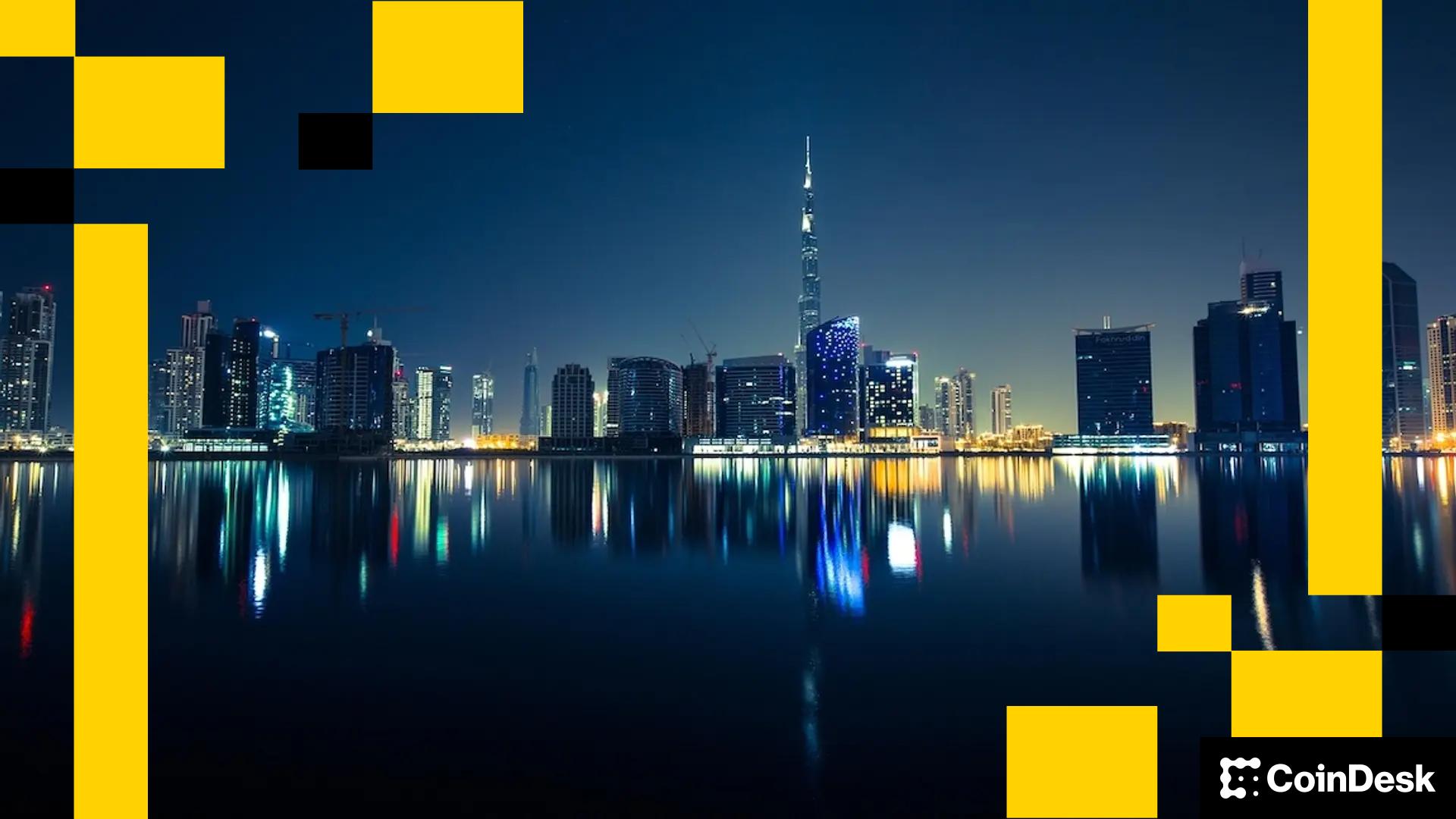
The Dubai Land Department (DLD) and tokenization firm Ctrl Alt have announced the launch of a secondary market for real estate-backed tokens, marking a significant step in the emirate’s plan to revolutionize property ownership. This initiative allows for the resale of approximately $5 million in fractional ownership of ten Dubai properties, enabling a more fluid trading environment for real estate investments.
Currently, around 7.8 million tokens linked to these properties are available for trading within a regulated market framework. Transactions will be conducted on a secure platform utilizing the XRP Ledger blockchain, with oversight provided by Ripple Custody. This development is part of Dubai’s broader ambition to establish itself as a global leader in real estate tokenization, which aims to convert property ownership into tradable digital tokens.
Supporters of this approach argue that blockchain technology can enhance the efficiency of ownership records and transaction settlements. However, challenges remain, particularly concerning inconsistent regulatory frameworks and limited liquidity in secondary trading markets. A recent report by EY highlighted these issues, indicating that while the tokenized real estate market remains small, it is expected to expand significantly in the coming years.
According to a report from Deloitte, the tokenization of real estate could reach $4 trillion by 2035, growing at an annual rate of 27%. The DLD has set a target to tokenize 7% of Dubai’s real estate market, equating to approximately $16 billion, by 2033. The initial phase of this plan involved the development of a platform in collaboration with Prypco and Ctrl Alt to tokenize property deeds on the XRP Ledger.
The introduction of secondary market trading is a crucial element of the second phase of this initiative. It aims to evaluate the market infrastructure, ensure investor protections, and align with existing property laws. Ctrl Alt has worked closely with the DLD to integrate its system for the issuance and management of title deed tokens on the blockchain.
Additionally, the tokens will be governed by a second layer known as Asset-Referenced Virtual Assets (ARVAs), which will dictate trading eligibility and conditions. This structure is designed to ensure that all transactions comply with Dubai’s official property registry.
Despite the promising outlook for tokenization in real estate, a recent survey by Brickken revealed that many issuers prioritize capital formation over secondary market liquidity. The survey indicated that 69.2% of issuers are operational, while 84.6% face regulatory challenges that influence their tokenization strategies.
As major exchanges like CME, NYSE, and Nasdaq explore 24/7 trading for tokenized assets, many issuers remain focused on validating regulatory frameworks and ensuring compliance in their asset quality. The regulatory landscape continues to be a significant factor affecting the pace of tokenization, even as the trend expands into other sectors such as equities, intellectual property, and entertainment.
The Dubai Land Department and Ctrl Alt have launched a secondary market for real estate-backed tokens, facilitating the resale of fractional property ownership. This initiative is part of Dubai's broader strategy to become a leader in real estate tokenization, despite facing regulatory challenges and liquidity concerns.