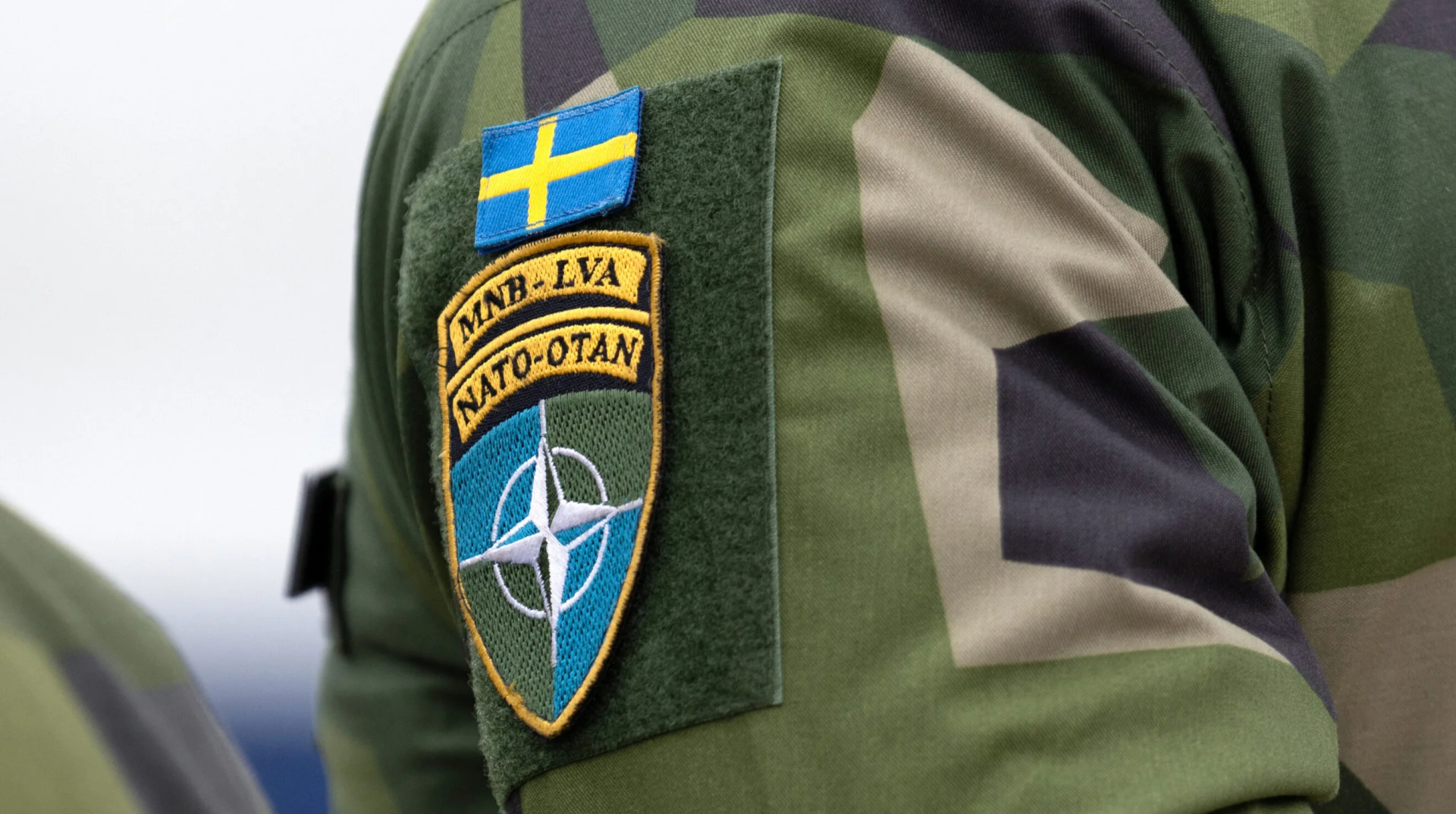
The Swedish Military Intelligence and Security Service (MUST) has released its annual report, identifying Russia as the foremost military threat to Sweden and the North Atlantic Treaty Organization (NATO). The report emphasizes that this threat is both serious and specific, describing Moscow’s behavior as opportunistic and aggressive.
Among the hostile actions attributed to Russia in the region, particularly in the Baltic Sea, the report cites violations of airspace, sabotage, and cyber operations. This assessment aligns with intelligence findings from other Baltic nations, which also report an increase in Russian aggression.
For instance, a report from the Estonian Foreign Intelligence Service characterized Russia as dangerous despite its acknowledged incompetence. The Estonian intelligence has noted a significant ramp-up in military preparations, citing a 17-fold increase in artillery shell production since the onset of the full-scale invasion of Ukraine.
However, officials in Tallinn have urged against panic, asserting that there are no indications of an imminent Russian attack on NATO by 2027. They predict that Moscow is unlikely to launch such an offensive in the near future, particularly given the bolstered defensive measures across Europe.
An unnamed NATO official commented to Politico that the Alliance remains committed to the principle of collective defense as outlined in Article 5, alongside promises to increase member defense expenditures to 3.5% of GDP. The official stated, “As long as we continue to make these investments, it keeps us in a situation where Russia will not dare to act aggressively.”
The Swedish Military Intelligence has identified Russia as the main military threat to Sweden and NATO, citing aggressive actions and military preparations. This assessment is echoed by intelligence reports from other Baltic states, although officials advise against panic regarding potential attacks on NATO.