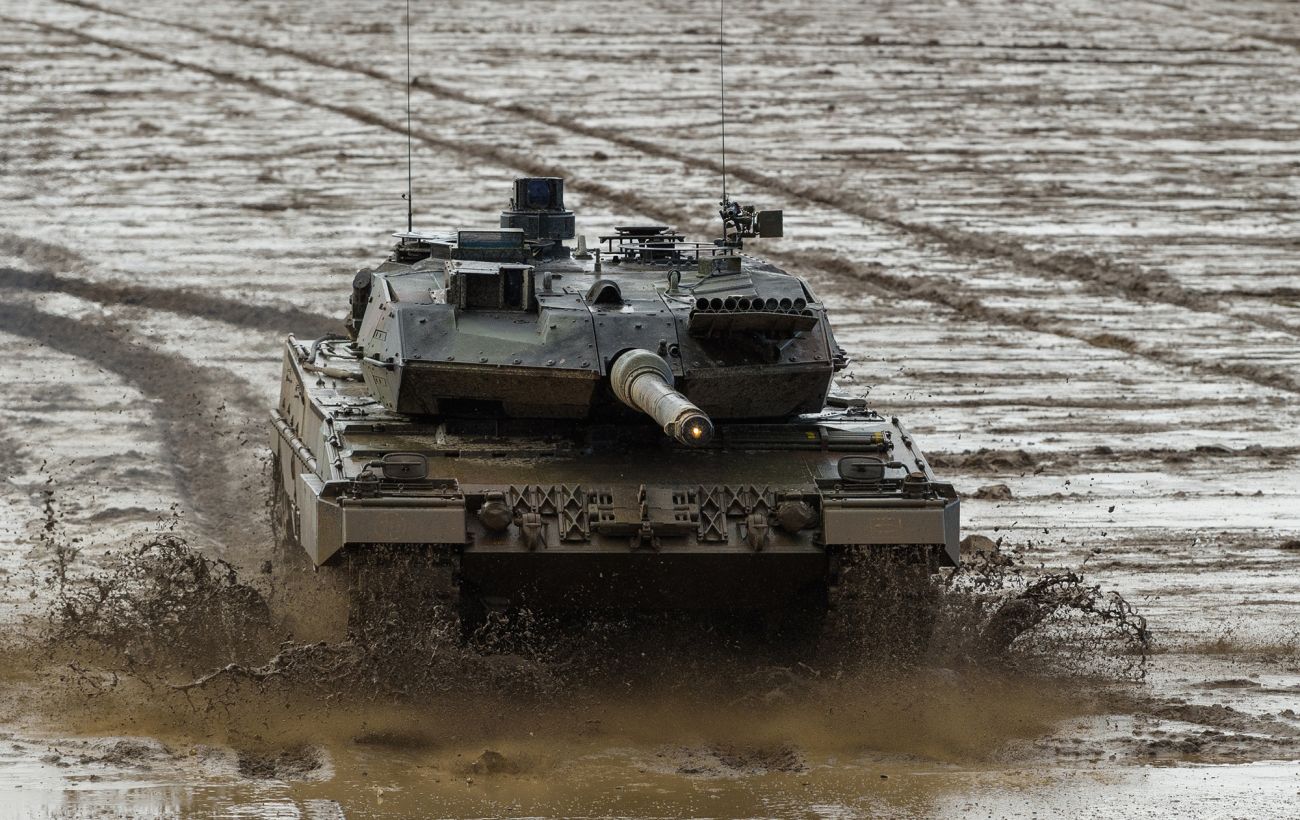
Germany’s efforts to establish the 45th Armored Brigade of the Bundeswehr, intended for deployment in Lithuania, are facing significant recruitment challenges. The brigade aims to be fully operational by 2027, with a target of over 4,800 military personnel and 200 civilian staff.
Initially, Germany planned to recruit 1,971 soldiers for the first phase of formation. However, only 209 individuals have signed up so far, representing about 10% of the required number. This shortfall raises doubts about the brigade’s readiness within the planned timeline.
In response to the recruitment difficulties, there are discussions within the military about potentially mandating service for soldiers rather than relying solely on voluntary enlistment. Meanwhile, the German Ministry of Defense maintains that the brigade’s formation is proceeding as scheduled. To incentivize enlistment, officials are considering offering enhanced salaries, improved living conditions, and job placements for families of service members. Additionally, there is a proposal to reduce the minimum service term for Bundeswehr personnel stationed in Lithuania to one year.
In a related development, the defense ministries of Ukraine and Germany have signed an agreement allowing Ukrainian instructors to teach at military academies in Germany. This initiative aims to equip the Bundeswehr with insights from modern warfare, as demonstrated by recent Ukrainian military exercises.
During the Hedgehog drills in Estonia, Ukrainian forces reportedly achieved surprising results against NATO troops, simulating the destruction of 17 armored vehicles and conducting around 30 strikes on various targets within half a day. Although these exercises took place in May 2025, the outcomes have only recently been disclosed.
Germany’s military enhancement is deemed crucial, especially as officials believe that a potential Russian attack on NATO countries could occur within the next two to three years. As a key member of the alliance, Germany finds itself at the center of these strategic developments.
Germany's recruitment issues for its new armored brigade could hinder military readiness by 2027. Meanwhile, a collaboration with Ukraine aims to bolster training and preparedness against potential threats.