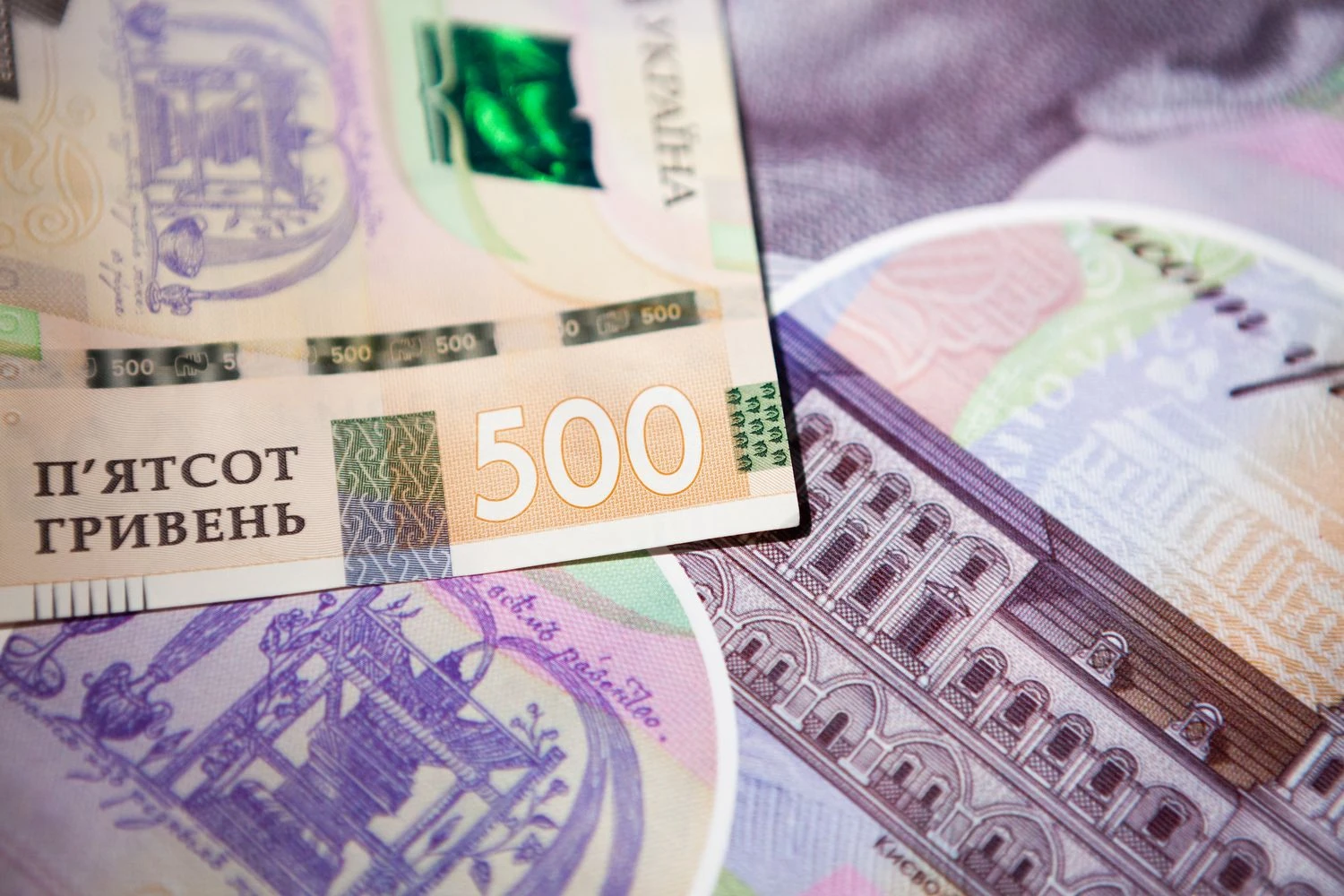
“VAT for individual entrepreneurs: Bloomberg learned about Ukraine’s desire to soften a “key condition” for a new IMF loanUkraine seeks to soften an unpopular tax bill concerning VAT for individual entrepreneurs, which the IMF demands. This is a condition for unlocking more than $8 billion under the financing program.
”, — write: unn.ua
Details”The Ministry of Finance in Kyiv is finalizing a bill that provides for tax increases for businesses. But President Volodymyr Zelenskyy, Prime Minister Yulia Svyrydenko, and many lawmakers are opposed to it,” sources said.
Ukraine received preliminary approval for the loan in November. It is now awaiting approval by the IMF’s executive board, “which is expected to consider the four-year aid package later this month.” The preparation of the tax bill is a mandatory condition.
This dispute exacerbates the challenges facing Ukraine’s finances, the publication notes. Ukraine received a temporary reprieve in December when the EU agreed to use joint bonds to borrow 90 billion euros ($106 billion) to finance military and basic government services over the next two years, the publication notes.
The initial plan for the bill, the publication writes, was for Ukraine to introduce value-added tax for self-employed entrepreneurs (FOPs) with an annual income of more than one million hryvnias (over $23,000). These legal entities are widely used by Ukrainian businesses, partly to optimize taxes, the publication notes.
Although Ukraine initially agreed to the move, “sharp public criticism prompted officials to reconsider it,” the publication writes. “Zelenskyy privately reprimanded Finance Minister Serhiy Marchenko for agreeing to such unpopular terms,” one source told the publication. Marchenko declined to comment on the incident.
Marchenko’s ministry now plans to soften the bill by proposing to raise the VAT income threshold to two or four million hryvnias,
“Ukrainian authorities are leaning towards a fourfold increase,” David Arakhamia, who heads Zelenskyy’s political force in parliament, told Bloomberg. Arakhamia is monitoring the negotiations as the leader of the largest group in parliament, the publication indicates.
“The ministry planned to submit the bill for consideration by the Cabinet of Ministers last month, but has now postponed it until February 10,” a person familiar with the process said. The Ministry of Finance did not immediately respond to a request for comment. The IMF declined to comment.
“The proposed law will likely still remain unpopular among the war-weary population, even if the size of the group to which the new tax measures will apply is reduced,” the publication notes.
The extreme cold of recent weeks has exacerbated difficulties and increased business costs, the publication writes. Many entrepreneurs, including small businesses, use fuel generators to maintain electricity supply, which increases their costs.
“The IMF seems more flexible in negotiations with Kyiv, seeking to save the program, people say, and Managing Director Kristalina Georgieva visited the capital last month as a sign of support,” the publication says.
“The IMF’s desire to save the program opens the way for further negotiations on these measures,” the publication notes.
“Ukrainian lawmakers and the government are also proposing, in closed meetings with the IMF, to limit control over so-called politically exposed persons,” Arakhamia told Bloomberg.
“There is also a promise to address the issue of publicly exposed persons (PEPs),” he said, referring to individuals in public service who are subject to enhanced scrutiny as part of anti-corruption measures. “If this can be done within one law, that would be good.”
In Ukraine, PEP status currently applies for life to former officials – a restriction that is extremely unpopular among lawmakers and civil servants. Critics say this rule deters many qualified Ukrainians from entering public service, the publication notes.
Any changes aimed at limiting the current lifelong PEP status, the publication notes, could contradict the requirements of the Financial Action Task Force (FATF), an intergovernmental body whose goal is to combat money laundering.
“Many lawmakers will oppose such changes for fear that they may prove politically unpopular. Ukraine is one of Europe’s most corruption-prone countries, and a scandal last year involving close allies of Zelenskyy caused public outrage,” the publication says.
Weakening the rules for politically exposed persons, the publication writes, “could also raise concerns in Brussels about Ukraine’s commitment to fighting corruption, which would harm the country’s long-standing aspirations to join the EU.”
Taxes for individual entrepreneurs in 2026: how they are changing and who needs payment terminals30.12.25, 20:00 • 4162 views