“After the holidays in Kyiv, the vast majority of schools and kindergartens are working again, despite problems with heat and electricity.”, — write: www.pravda.com.ua
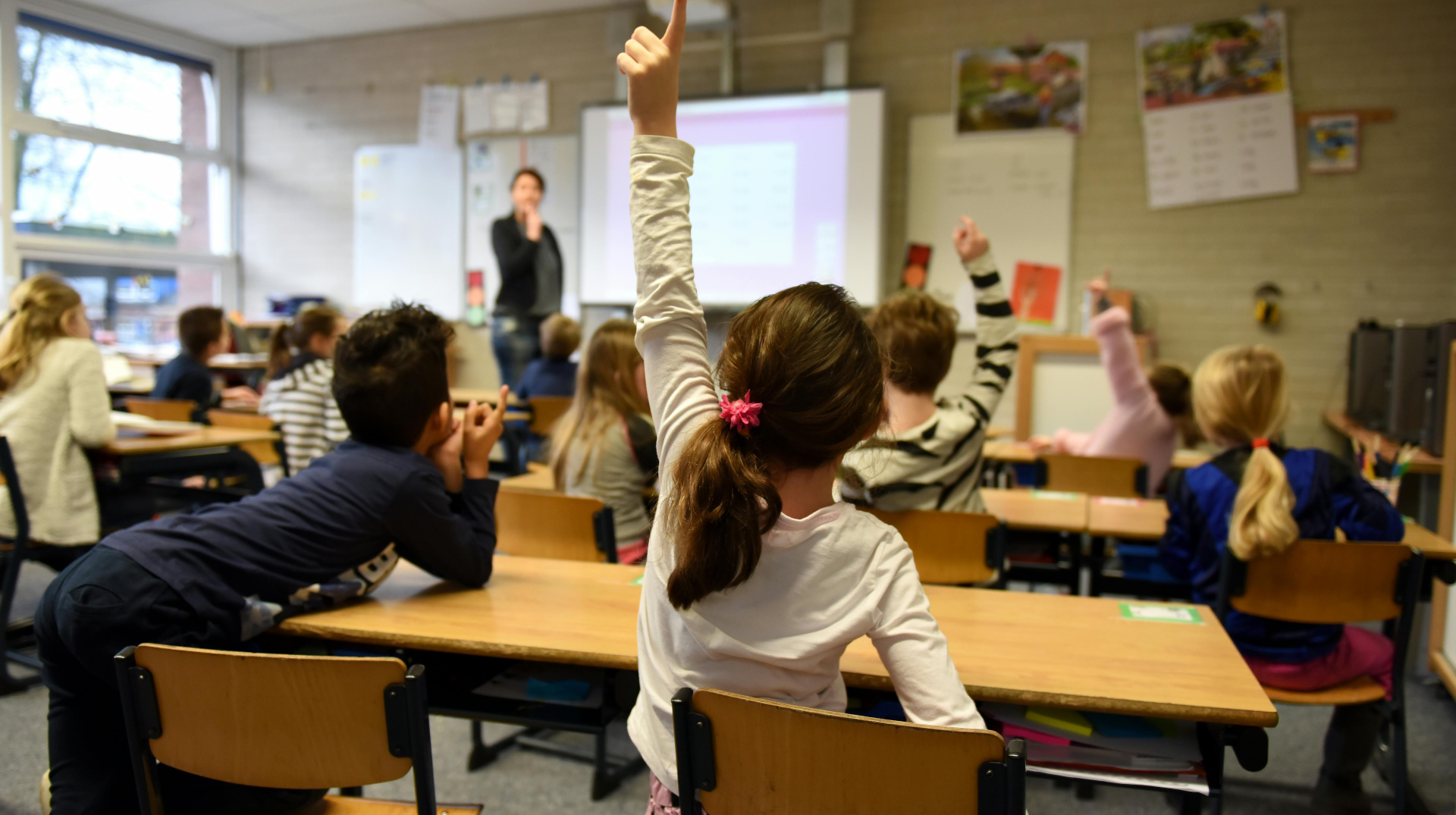
 Illustrative photo from pexels.com
 Source: Department of Education and Science of the KMDA, Department of Education of the Desnian RDA at the request of “Ukrainian Pravda”.
Literally the Department of Education: “As of February 2, 237 institutions of general secondary education in the city of Kyiv work face-to-face, 71 – mixed, and 104 institutions – remotely.
Advertising:
Details: The department notes that the situation in Desnyan district is different from the citywide situation, most schools work remotely.
“14 institutions of general secondary education of the Desnyan district work face-to-face; 8 are mixed and 31 institutions work remotely,” the answer states.
It is also known that almost all kindergartens in the capital work in the usual format.
“In the city of Kyiv, there are 553 communal preschool education institutions. As of 02.02.2026, 94% of institutions are functioning in the usual format, in which more than 38% of the total number of pupils are educated every day. In the Desnyan district, 60 communal preschool education institutions are functioning in the usual format,” the department emphasized.
At the same time, the Department of Education of the Desnian RDA reports that there are 496 regular groups in kindergartens with 8,198 children (100% of the total number of children who need kindergarten).
The Department of Education and Science of the KMDA adds that each educational institution chooses the format of education independently, depending on the security situation, as well as the conditions of heat and electricity supply.
Prehistory:
- January 16 against the backdrop of an emergency energy situation in Kyiv winter vacation in institutions of general secondary education was extended until February 1.
- On February 2, after a longer winter vacation, full-time education in Kyiv almost returned 110 thousand schoolchildrenwhich is less than half of the number of students in the capital.