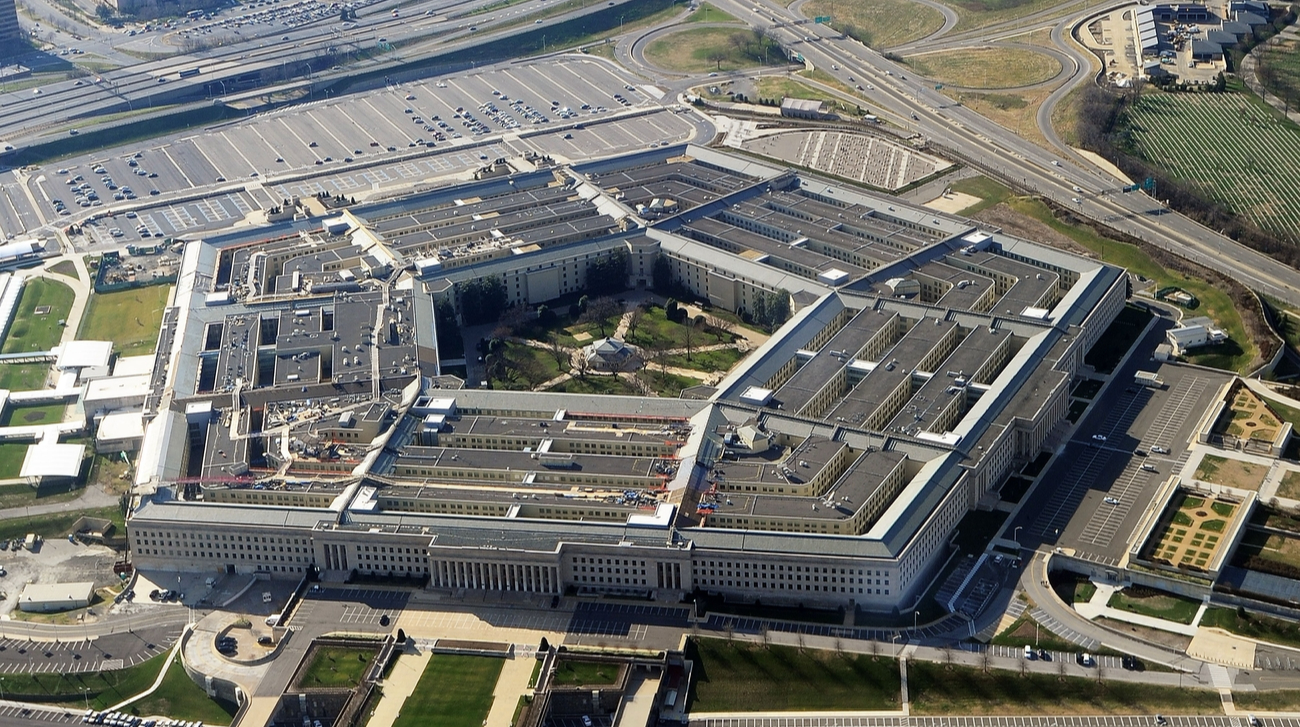
“The US Department of Defense in its new defense strategy envisages a transition to a “more limited” role for US forces in deterring North Korea, placing the primary responsibility for this task on South Korea.”, — write: www.pravda.com.ua
Source: Reuters with reference to the Pentagon document on national defense policy
Details: The document, which defines the strategic directions of US policy, notes that South Korea already has sufficient resources to take a leading role in countering military threats from North Korea. At the same time, support from the United States will remain “critically important” but will become “more limited.”
Advertising:
About 28,500 US troops are currently stationed in South Korea for joint defense. Seoul, responding to threats, increased its defense budget by 7.5% this year and maintains its own armed forces of 450,000 servicemen.
“This change in the balance of responsibility is in line with US interests in renewing the deployment of US forces on the Korean Peninsula,” the document says.
Literally: “In recent years, some U.S. officials have repeatedly expressed a desire to make the U.S. contingent in South Korea more flexible for possible operations outside the Korean peninsula in response to a broader range of threats, including to contain China’s military expansion or potentially defend Taiwan.
Details: The document also outlines US priorities in the Indo-Pacific region. The Pentagon’s main goal is to ensure that China cannot dominate the United States or its allies.
“This does not require regime change or some other existential struggle. Rather, a dignified peace is possible on terms favorable to the Americans, but which China can also accept and live with,” the document states.
For reference: South Korea has long resisted the idea of changing the role of American troops, fearing a weakening of security guarantees. At the same time, over the past 20 years, Seoul has been actively building up its own defense capabilities, with the goal of assuming command of the joint forces in wartime in the future.
As for the issue of Taiwan, the 25-page document does not directly mention the island, but the context of the confrontation with China remains key. Beijing considers the democratically governed Taiwan as its territory and does not rule out the use of force to establish control over the island.