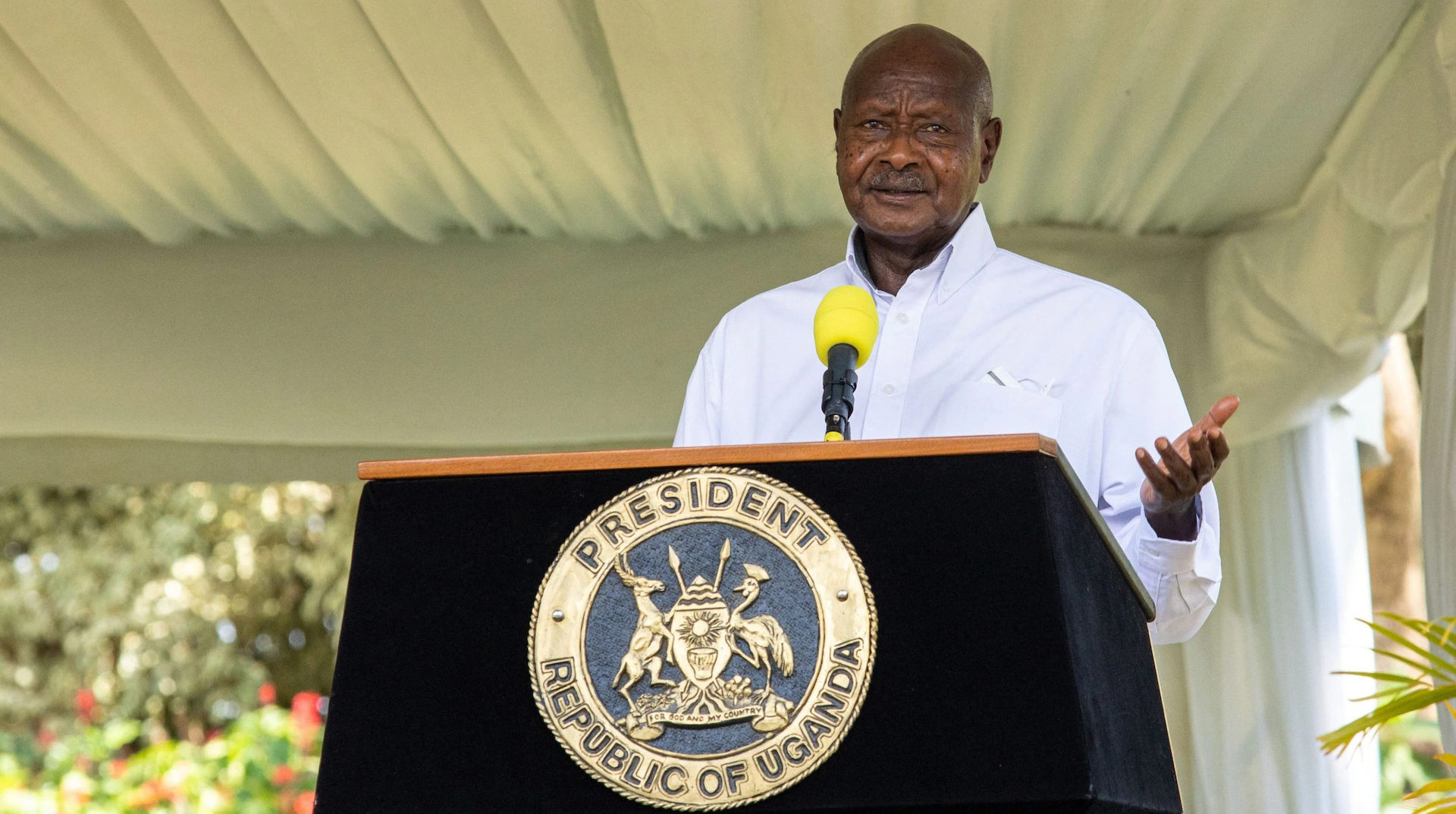
“Longtime Ugandan ruler Yoweri Museveni has declared victory in the presidential election, guaranteeing him a seventh term and extending his 40-year reign.”, — write: www.pravda.com.ua
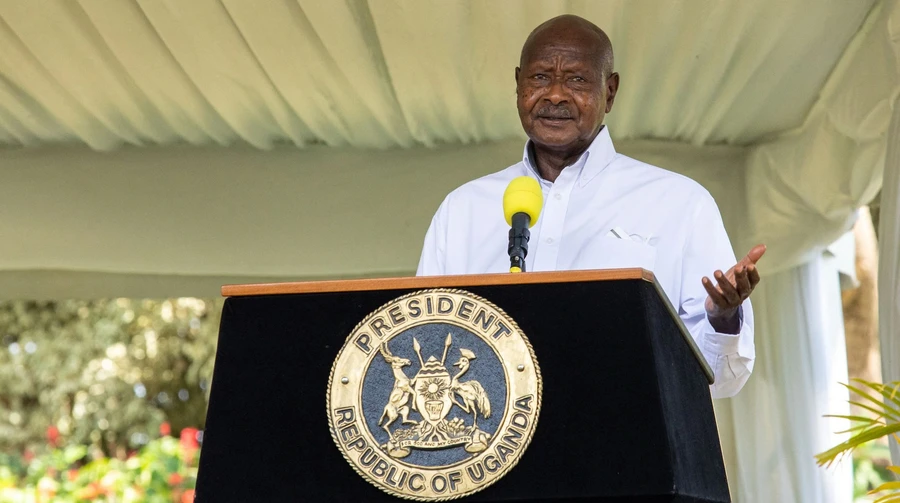 Yoweri Museveni. Photo: Getty Images
 Source: The Telegraph
Details: On Saturday, January 17, the Electoral Commission announced that Museveni won almost 72% of the vote. His main rival, former pop singer and opposition leader Bobby Wine, received the support of about 25% of citizens. This victory will allow Museveni, who has ruled the country unchanged for 40 years, to extend his rule for another term.
Advertising:
The electoral process was accompanied by mass violence, a complete blackout of the Internet in the country, and reports of the kidnapping of the main opposition leader.
Vaina’s party reported that the military stormed the politician’s residence, after which he was “forcibly removed” from the house and taken by helicopter to an unknown destination.
Vine later posted on social network X that he managed to escape. According to the oppositionist, he is currently on the run and has to hide because he fears for his life.
Ugandan police denied that Waina had been arrested, saying he had not left his home and the increased presence of armed units around his residence was a necessary measure because the area was of “security interest”.
Throughout the election campaign, rallies in support of Wein were broken up by government security forces who fired tear gas and firearms, leaving at least one person dead and thousands of opposition supporters behind bars.
In the first hours after the closure of the polling stations, the violence continued. Police confirmed the death of seven people and the wounding of three in central Uganda. Law enforcement officers said they opened fire on “thugs” who were allegedly sent by Waina MP Muwanga Kivumbi. The parliamentarian denied this version, saying that security forces stormed his house and killed 10 of his agitators.
International observers from the African Union refrained from directly confirming the facts of the ballots being thrown, but recorded numerous reports of intimidation, arrests and abductions of opposition and civil society representatives. Journalists report an unprecedented number of soldiers on the streets of the capital to prevent protests.
For reference: Yoweri Museveni came to power in 1986. During his decade of rule, he built a rigid vertical of power, relying on the army and special services, and consistently eliminated any political competition.
To legitimize his lifelong rule, Museveni has twice initiated changes to the constitution, abolishing age and term limits for presidential candidates.
Despite an authoritarian style of government and accusations of human rights abuses, Museveni retains the support of a section of the population thanks to a period of relative stability after years of civil wars. It also enjoys the loyalty of Western powers, as Uganda provides troops for peacekeeping missions in Somalia and hosts millions of refugees from neighboring regions.