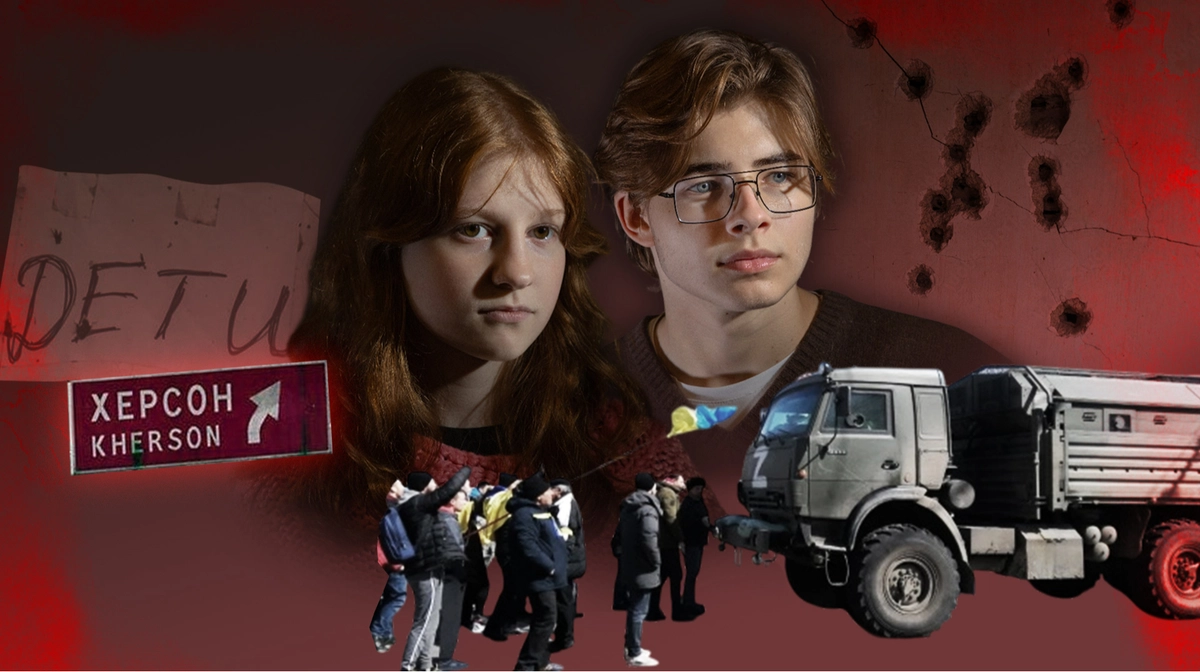
“
Zlata and I meet for the first time in Zoom at the general meeting of the participants of the “My Home” theater project. It was invented by director Andriy Mai, also from Kherson. Nine teenagers from Kherson and Vysokopillya, villages in the Kherson region, have to write short plays about life in their hometown. Without conspiring, almost all authors decide to write about the occupation they experienced at the beginning of the full-scale invasion.
Now they are from 14 to 17 years old. They still live in a front-line town. It is dangerous to walk on it. The Russians arrange cannibals here safarihunting people with drones. So most school classes are online. And teenagers spend most of their time at home. This is the fourth year in a row.
Advertising:
Almost no one turns on video during a meeting. Therefore, I remember a part of the group by userpics, among which there are several cats and characters from anime. Zoom and user peaks indicate that the meeting is taking place in the 21st century. The circumstances under which we meet are something that humanity has not understood in a few thousand years.
Teenagers talk about their experience of being in the occupation on a daily basis. The contrast between the half-childish voices and the content of what they are talking about is striking.
“It was my birthday. Then an orc tank stopped by the yard. They put dad on his knees.”
“I didn’t have a graduation – my school was bombed. I loved my school.”
“They took people at night.”
“They started shooting at the cars driving ahead.”
“I’m going to Mykolaiv to rest from the war.”
“My dad is a volunteer – I want to write about my dad. Is it possible?”.
Only Zlata barely breaks down when she pronounces the name of her godson. She doesn’t say it directly, she can’t, but it’s clear that he died.
The war in the long run gets rid of the habit of telling details – because they are painful and indescribable. So intonation serves as a guide here. Everyone who is in the topic – and everyone is in the topic – reads it instantly. I turn off the video several times – why should teenagers see my facial expressions. I save myself by discussing technical details with them – how to format the text and when the deadline is.
Voices Unlike adults, teenagers do not violate deadlines. So almost all nine texts arrive on time. The topic “Occupation of the Kherson region” has its own voice. How a person’s face appears behind an avatar with a cat after turning on the video connection.
Zlata describes the first days of the occupation. The death of the godchild and how she and her mother were forced to hide in other apartments because the Russians were looking for them. At the same time, she needed to attend online classes at school. The teacher’s question finished her: “Why didn’t you make a bunny out of felt?”. In her text, tragedy and absurdity go hand in hand. In addition to the question about the felt bunny, the phrase “The morgue was bombed” is striking.
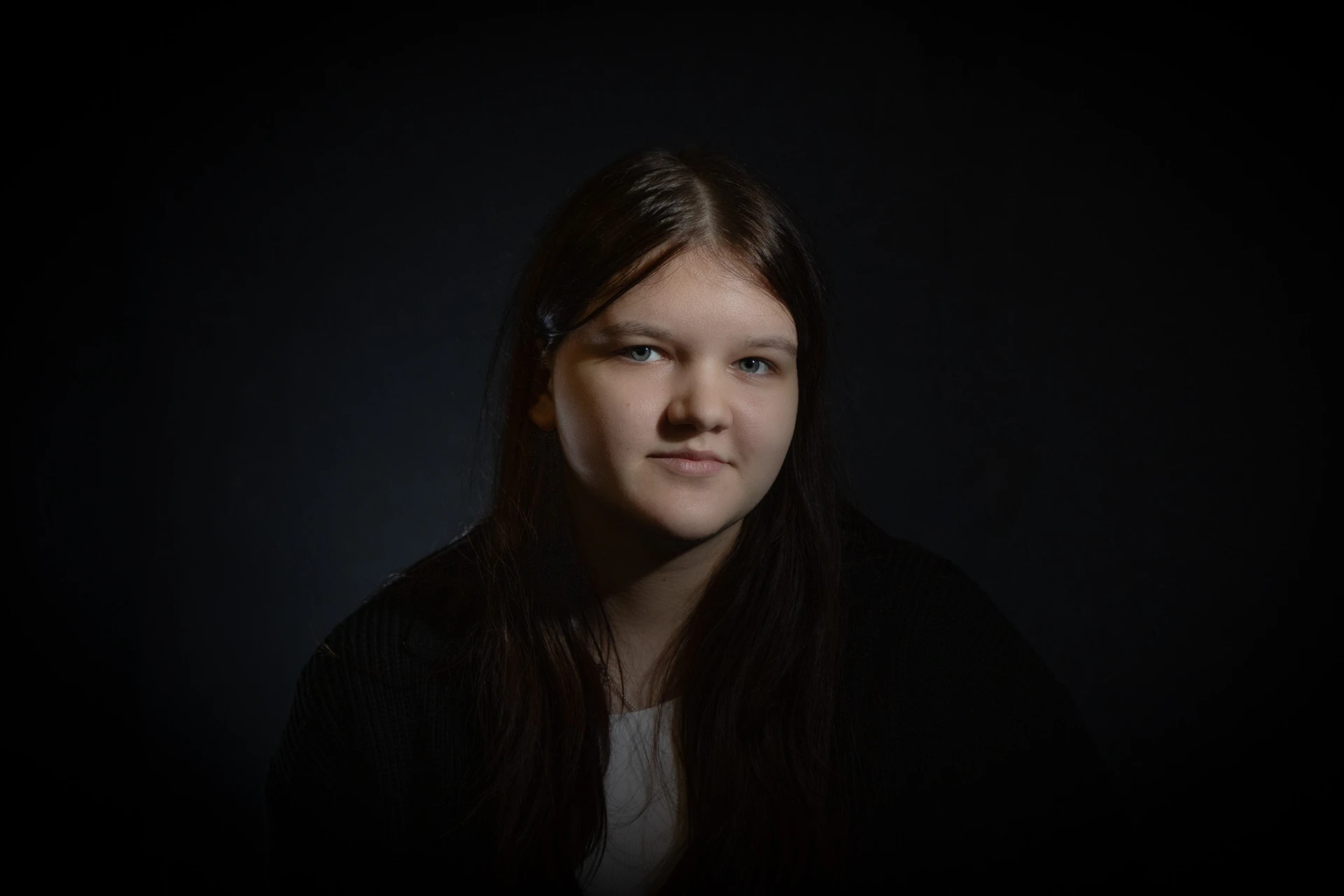 Zlata Kovalenko, 17 years old: “The Russian troops were looking for us. My mother and I had to hide in different houses and apartments.”
All photos by Oleksandr Chekmenyev
Events in the monologue Maria “Kherson from the future” takes place in 2052. Her heroine is her, only thirty years later, walking through the city and remembering the current war. The Kherson of the future looks like a dream city, and the author’s completely realistic memories stand in contrast.
“…Then the city resembled ruins – everywhere, on any street, there was at least one house that flew into.”
“We had several zones in the city. The red zone is the most dangerous. Neither the ambulance nor the fire department went there, only the police, and then only when the situation was safe. The next zone is yellow. It – something in between: you can live, but there are problems. And the green zone was the safest. And then the red zone began to expand and absorb yellow and green.”
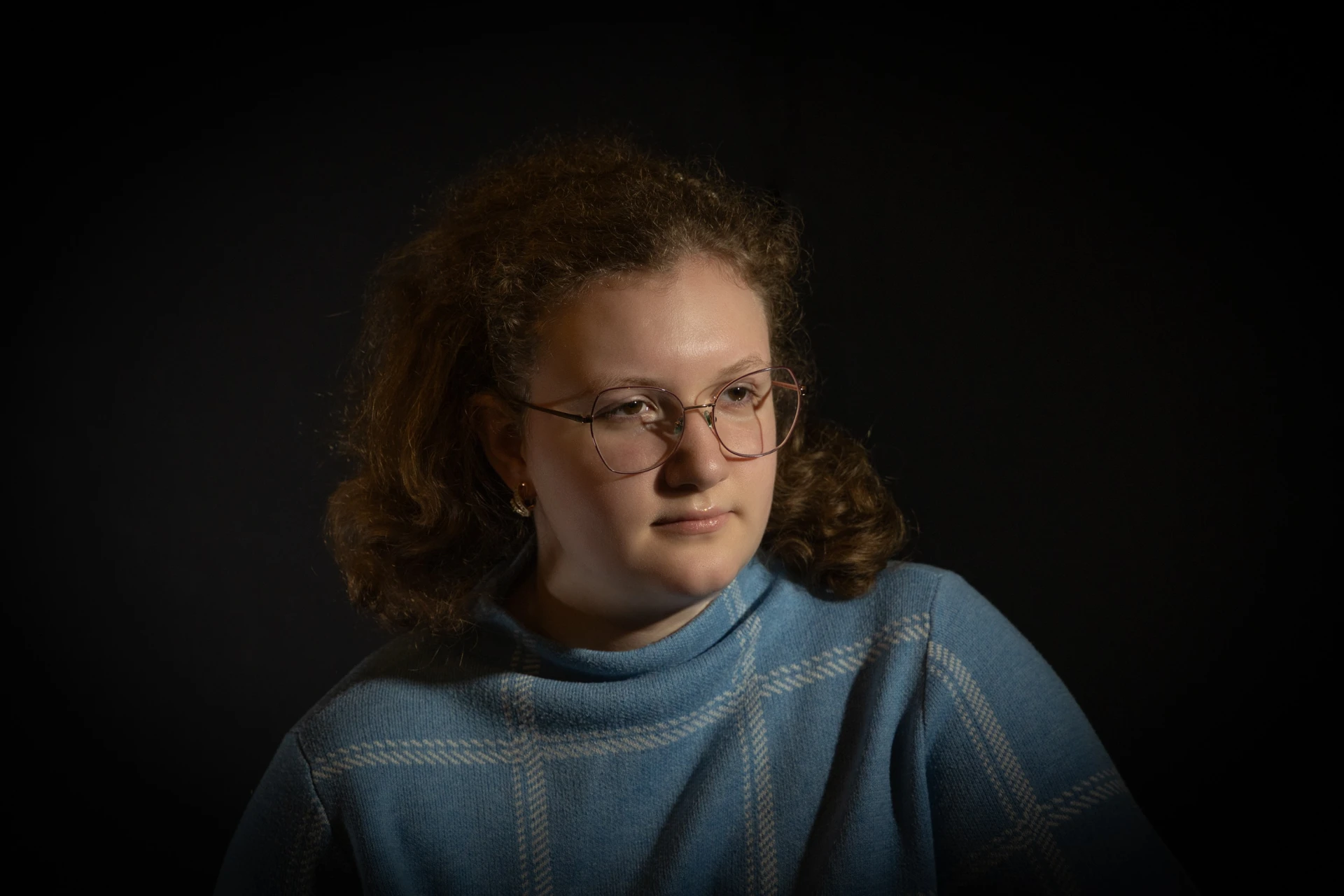 Maria Ustianivska, 17 years old: “I fell asleep while still in the occupation, and woke up already liberated”
Maria’s text mentions the completely destroyed central city library named after Oles Honchar. In 1942, he wrote in a notebook:
Grind the iron of the district,
The air is full of death.
I know that degree of tension
When nothing is scary anymore.
In 2025, a redhead Angelina when he was thirteen, he typed in Google Docs:
“We are standing. A roadblock. The Russians are walking slowly, weapons clanging against the metal of their chests.”
Angelina writes about how she was afraid that her father would be taken prisoner by the Russians if they found out that he had served. About the grandfather who went to work on February 24, 2022 and could not return home. She will call this text “The road through fear”. It will have a metallic iron taste. War, like a disease, has signs that mark the texts of those who have encountered it.
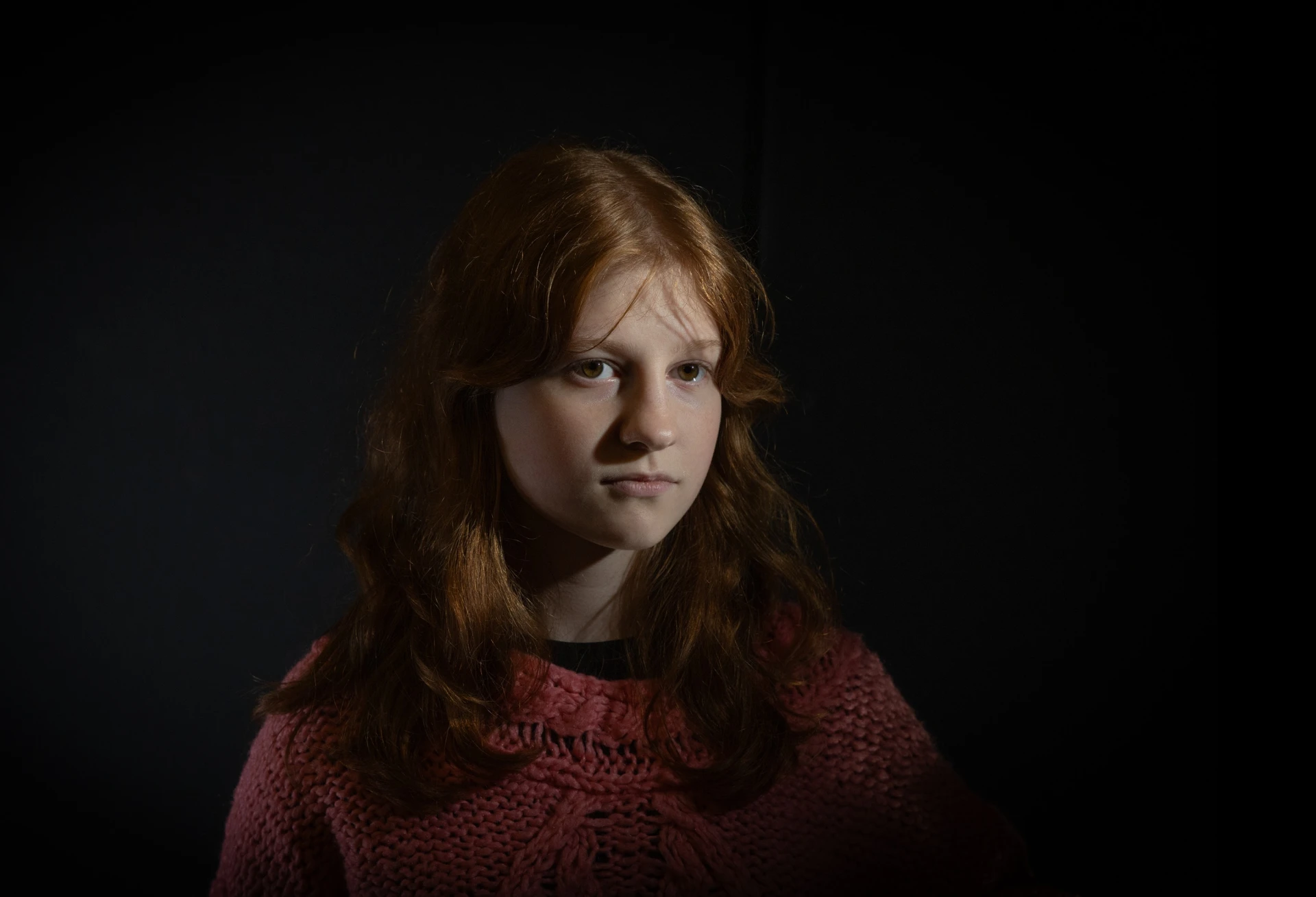 Angelina Fokina, 14 years old: “To see my loved ones, to hug and just be there for at least a few days”
Children of war grow up fast. In the play Pauline “When we became different” heroes are from nine to eleven years old. All events take place in the yard. The first scene is the beginning of the war. Four friends promise each other to “survive the war together”. However, in the final, only two girlfriends remain, chewing straws. This straw runs through the play as a refrain – as a symbol reminding of a peaceful life.
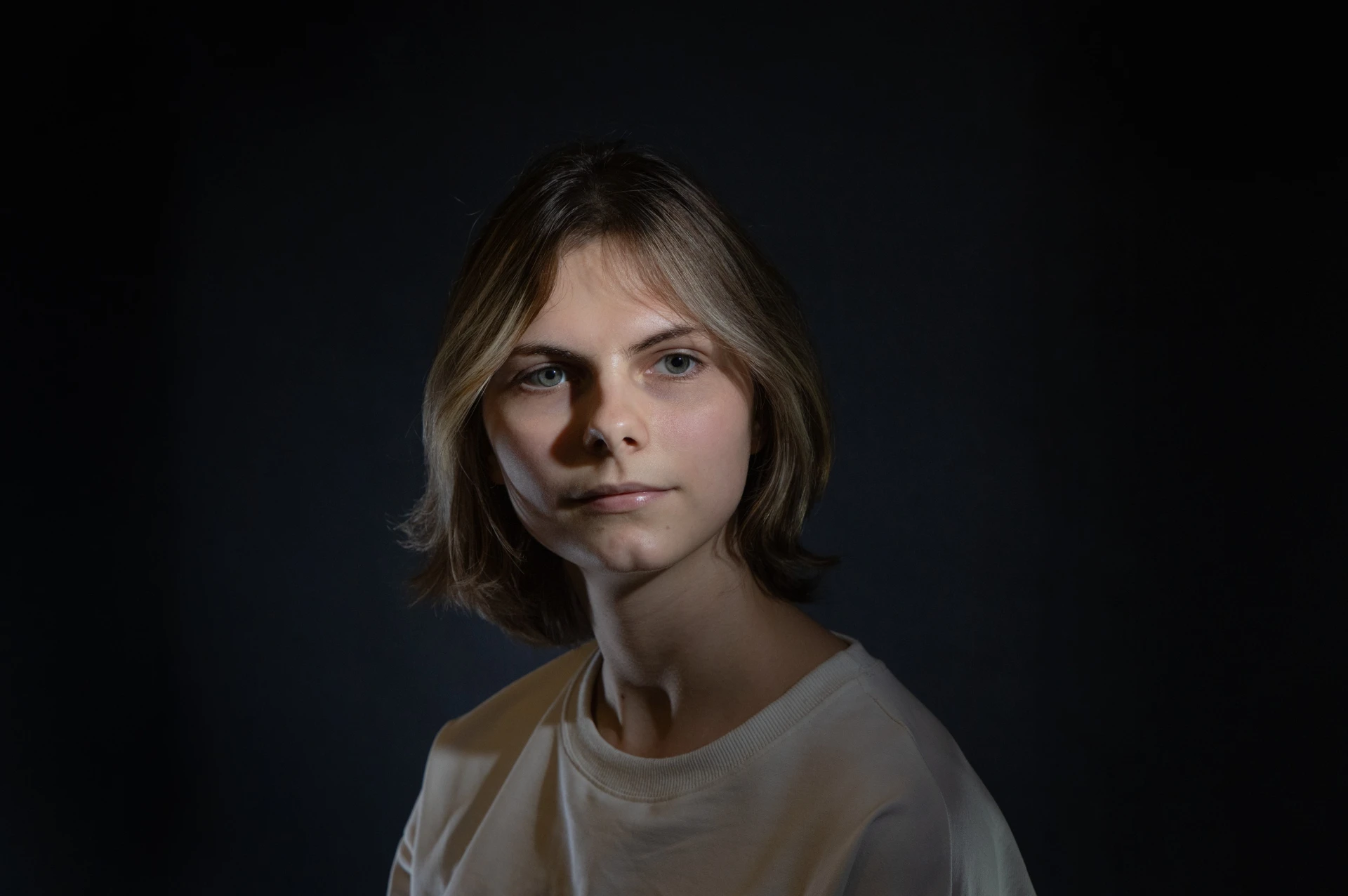 Polina Postrygan, 14 years old: “Everything changed irrevocably”
Heroes resort to the same technique in communication that adults use – when you can’t comfort a loved one, you either make jokes or talk about everyday life. Reflections destroy. Jokes save. And the yogic “here and now” acquires its original meaning.
Dad Eleanor – a volunteer Removes people and animals from the front zone. While dad is on a “business trip”, mom and daughter can’t find a place for themselves. Eleonora writes about one of these days in her work.
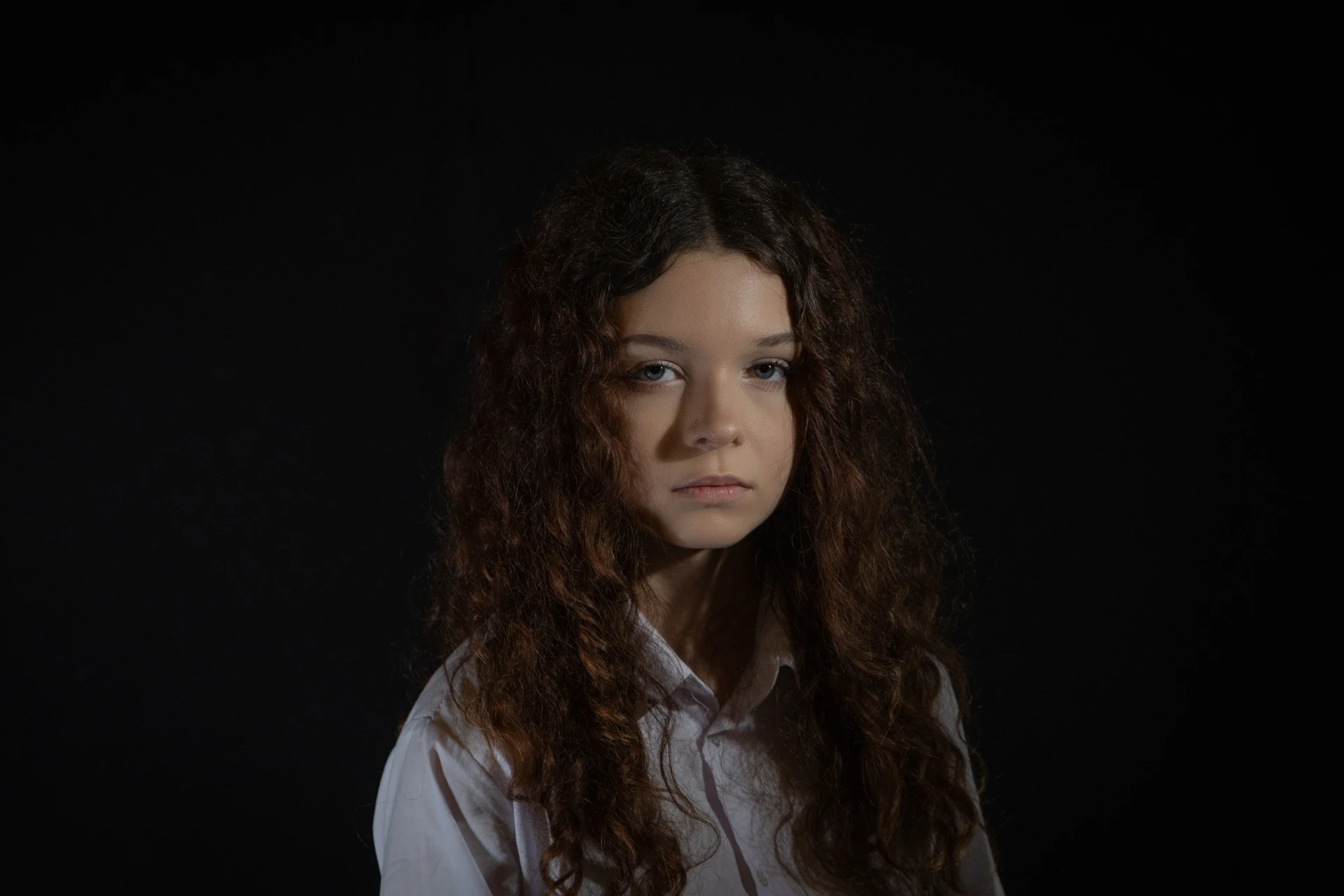 Eleonora Yefimova, 15 years old: “Silence clings to the walls, as if she doesn’t want to let her father go.”
Fourteen years old Mary and Sashko from Visokopill tells about the clash with the occupiers three years ago. Their stories resemble entries in a diary. On the day Maria turned eleven, her village was occupied. Farmer parents, who raised pigs, went to deliver fresh meat to fellow villagers in the morning. “Free”, as Maria will write. And then he will explain: “Because people had nothing to eat.”
Her fifteen-year-old brother went to chop wood. She and her one-and-a-half-year-old sister were sitting in the summer kitchen when the invaders approached the yard:
“And this picture appears: there are three or four occupiers standing somewhere, and my brother is walking with an ax in his hands. Then the occupiers enter the yard and just then run up to the father who And here we are standing between the summer kitchen and the house: my brother, me and my sister. At the entrance to the house are the occupiers who put my dad on his knees and pointed a machine gun at him, and opposite them is my mother. They needed my dad’s military card…”
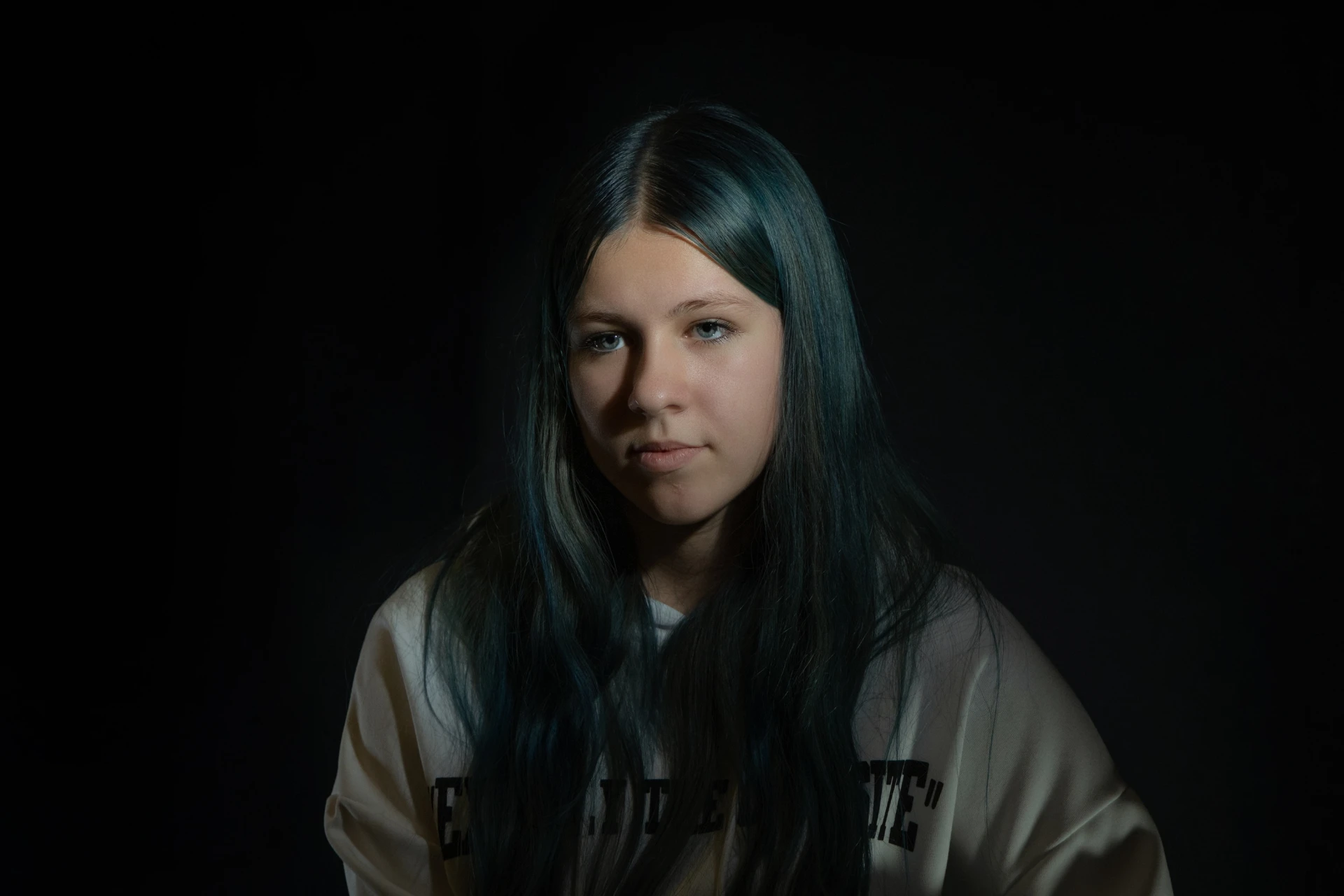 Maria Storzhynska, 14 years old: “They shot a bullet into each mirror on the closet – there were three of them. It’s a little stupid on their part, because why destroy if you can’t steal?”
Parents Sashka they could not dare to leave for a long time. Mother was against it, father insisted. One morning, dad went somewhere, then came back very excited, told mom that he urgently needed to pack up and leave for Kryvyi Rih. Mom cried, but packed documents and things.
“In the garage, dad opened the car – mom’s silver Daewoo Matiz. We hung white handkerchiefs on the mirrors and wrote “CHILDREN” on the door with toothpaste. Dad told us to sit down. He himself got behind the wheel and drove us to the exit from Visokopill.”
At the checkpoint, one bearded man in a dirty coat shot into the air and ordered everyone to leave with their hands up. Sashka’s mobile phone was confiscated. Dad was taken away in a black bus, mom was ordered to drive on. A column of cars moved along the steppe. And then something terrible happened.
Sasha writes: “I noticed some glare during the landing, but I didn’t pay attention. A few minutes later, an armored personnel carrier drove onto the field. We stopped, and the group in front drove on – they opened fire.” Father Sashko was released after a month.
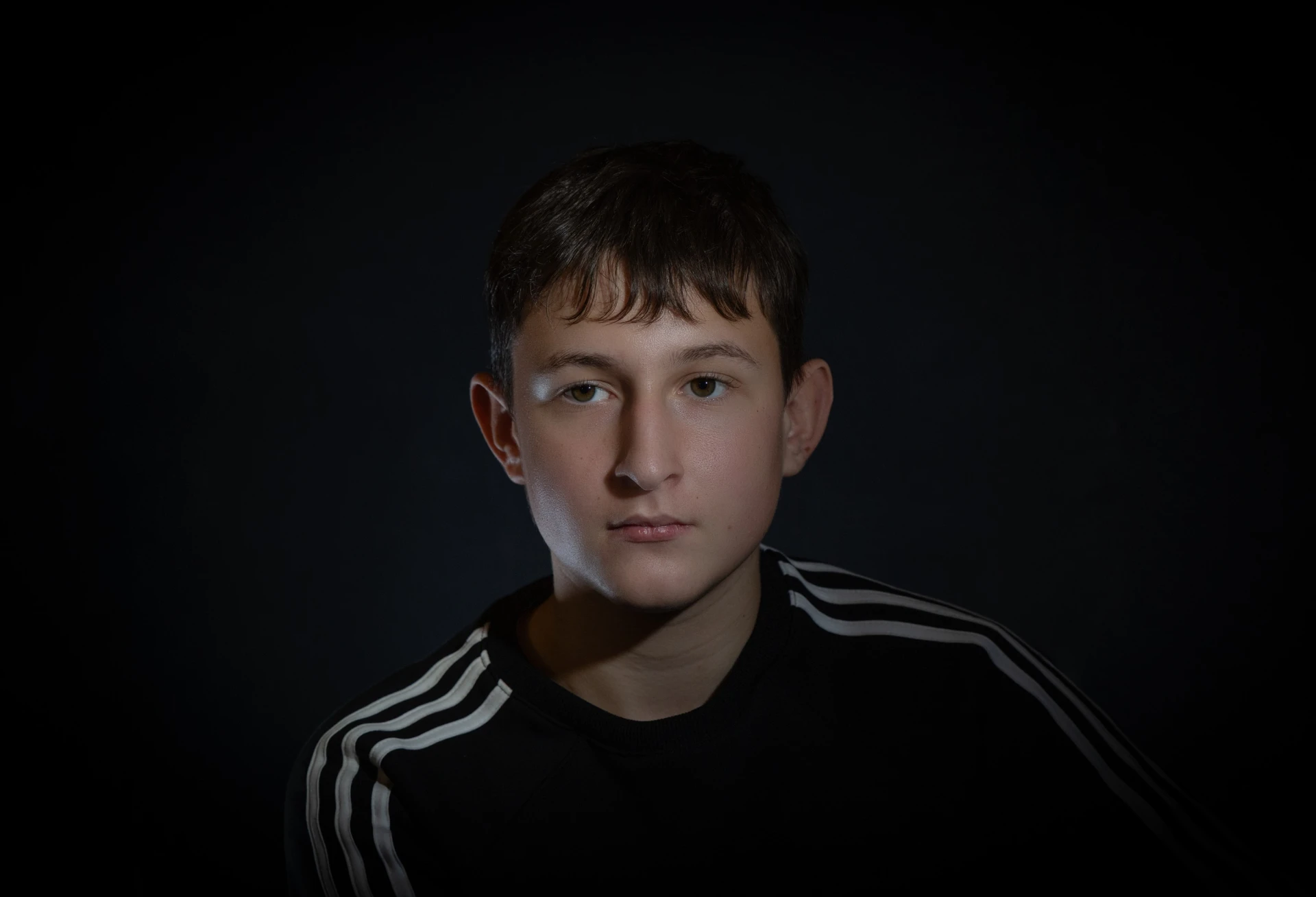 Oleksandr Kononenko, 14 years old: “I was not afraid for my phone, but for my life”
Ivan writes about how he first realized that death is near. With the beginning of a full-scale war, a new tradition appeared in his family: they began to go on vacation to Mykolaiv, which is located 50 kilometers from Kherson. An hour by car – and you are in a city in which there is an illusion of peace: children play in the streets, couples go for a walk.
In past years, this road was considered relatively safe. However, in the summer of that year, Ivan saw a burning car on the side of the road, which had just been hit by a drone. On that day, Ivan realized that he and his loved ones could have been in the place of the people who were in the burning car.
In addition to other abominations, war does a vile thing – it deprives youth of the illusion of immortality. Takes away the feeling of flight.
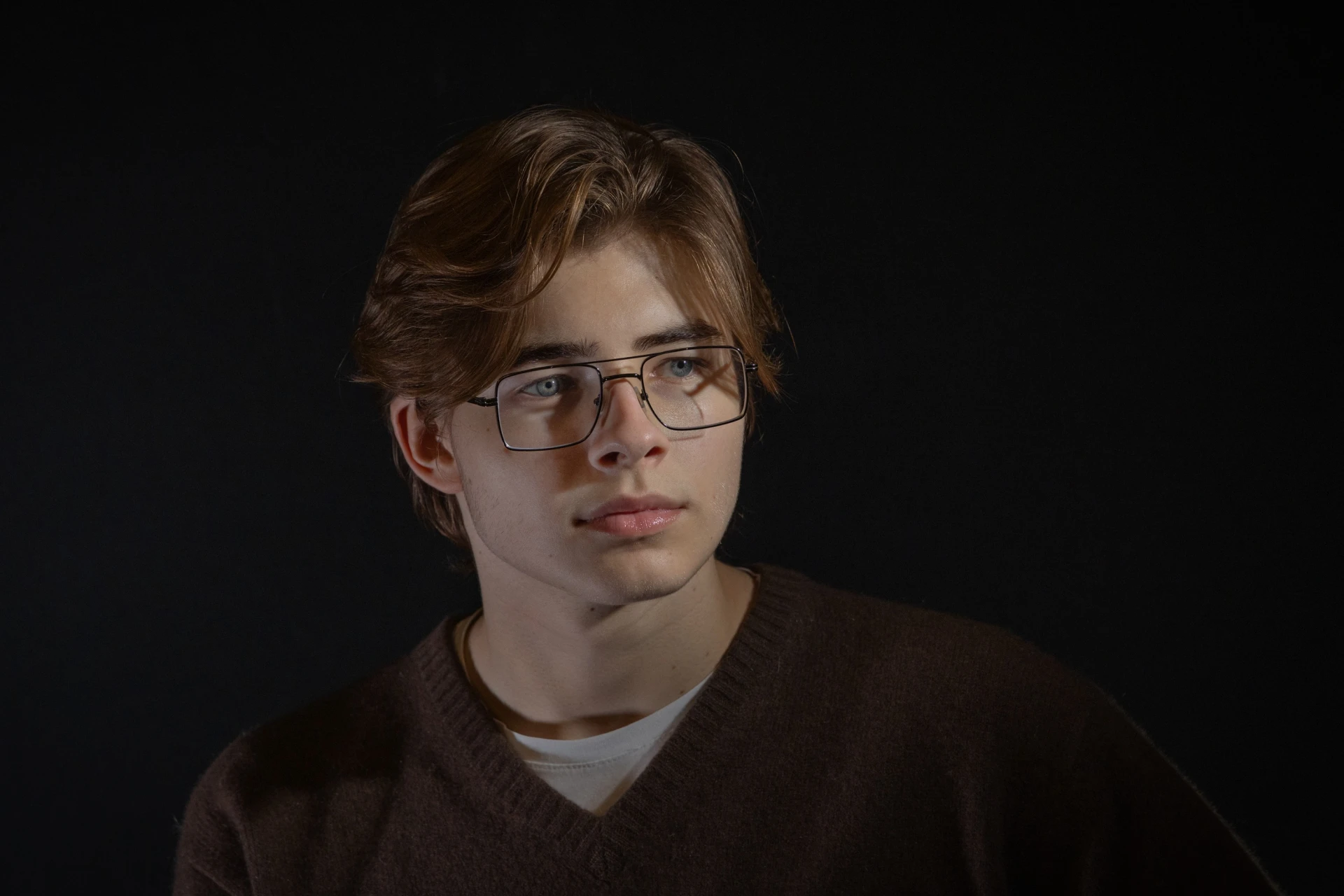 Ivan Volnikov, 15 years old: “For me, silence is like some long-forgotten feeling of freedom, a feeling of peace”
After I finish reading Ivan’s text, I type in YouTube “Kherson track – Mykolaiv.” On the very first video that comes out, I see the Kherson steppes, which the guy so lyrically describes, and burning civilian cars on the roadsides.
Letters from the war In December 2025, a screening of the project “My Home” based on the texts of the Kherson people took place on the stage of the Young Theater. The director of the production is Andriy Mai. He invited the teenagers to Kyiv. On the Kherson route – They traveled to Mykolayiv accompanied by the police and under the cover of earthly substitutes for angels – REBs.
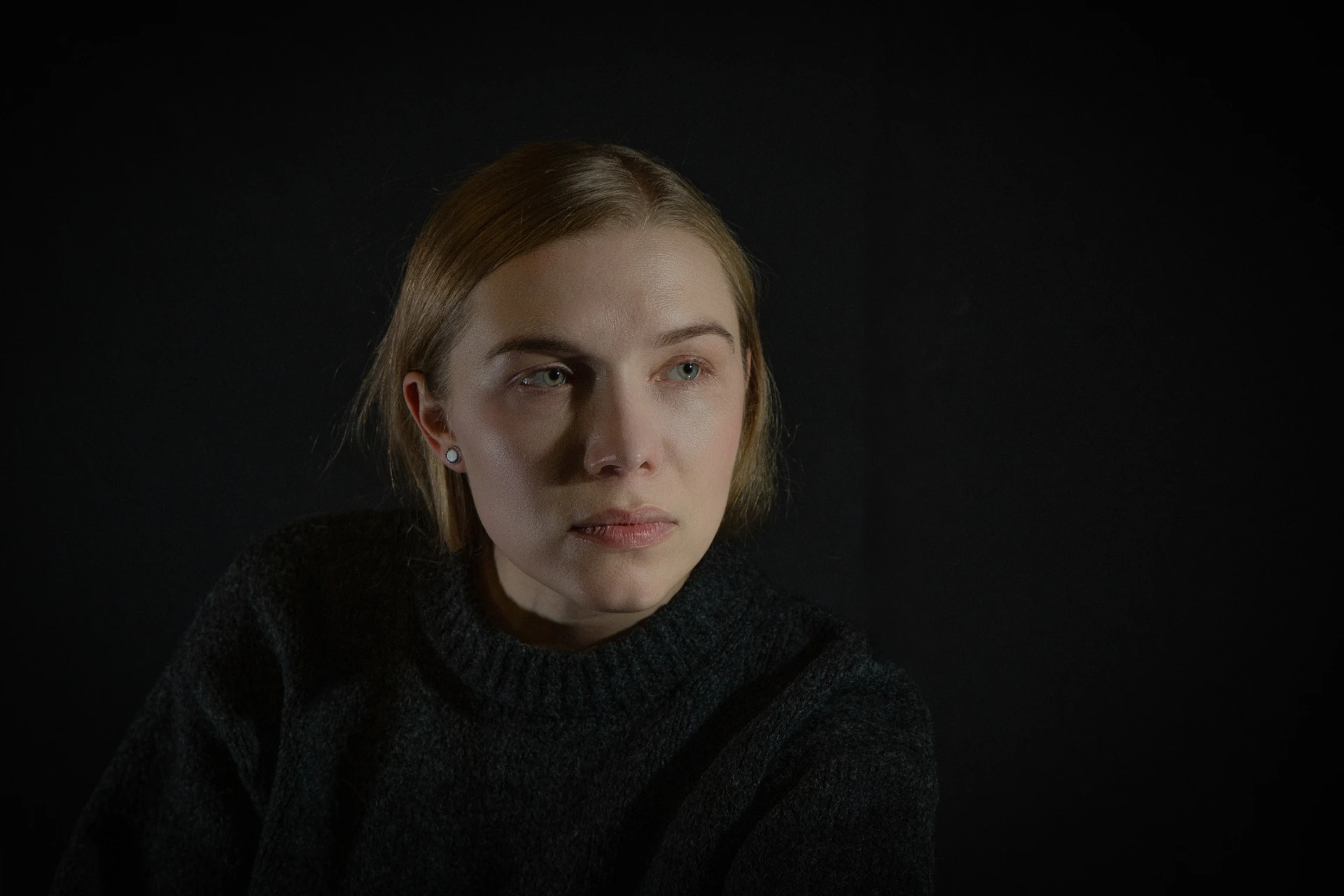 Actress Anastasia Szegeda helped Kherson teenagers feel safe in Kyiv. “People, tomorrow at 10.30 I will pick you up at the hotel and we will go to the movie “Train to Christmas”, a good movie without tears, as you wanted”
According to Andrii, it was difficult at the first rehearsal – the actors cried when they read the texts.
“For me, the most important thing in this project is to let the children’s voices be heard. So that they feel supported. They understand that their experience is important. In addition to these teenagers, there are thousands of children in Kherson who are silent. Because it is painful for them to talk about their experiences,” – Mai explains.
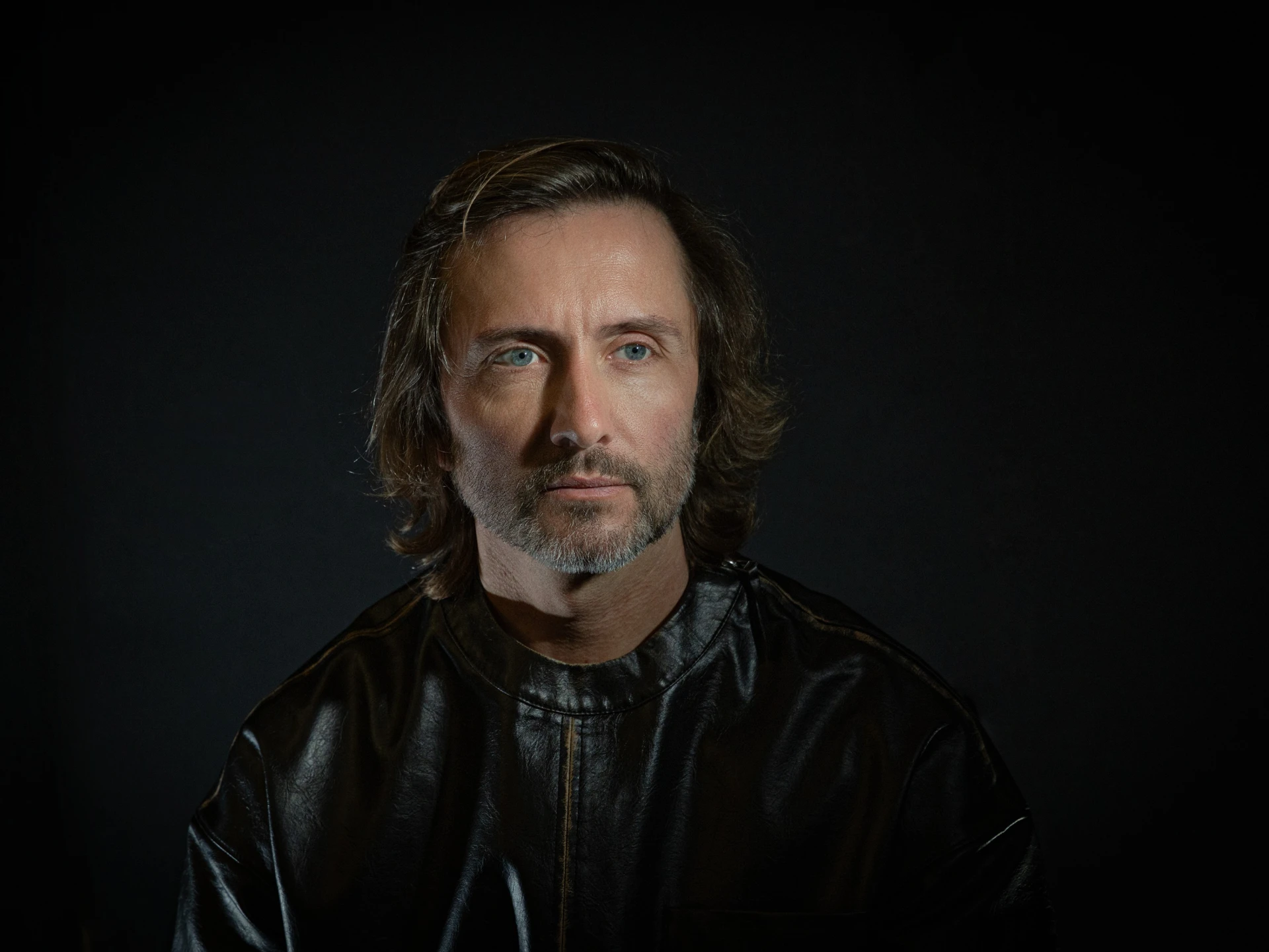 Andrii Mai, director: “No one knows what happens to the children who grow up there”
Violetta wrote a play about the graduation at school, which was supposed to take place in 2024. But it didn’t happen. It was managed to be organized on the stage of the Young Theater.
In her play, the heroine passes her graduation in a dream. There, everyone is dancing to a popular hit by a Korean group. In the Young Theater, both the audience and the actors waltzed to K-pop. The mixture of waltz movements and K-pop seemed as unreal as a Kherson school graduation nowadays. But the very fact that it was happening gave the graduation a new and modern meaning.
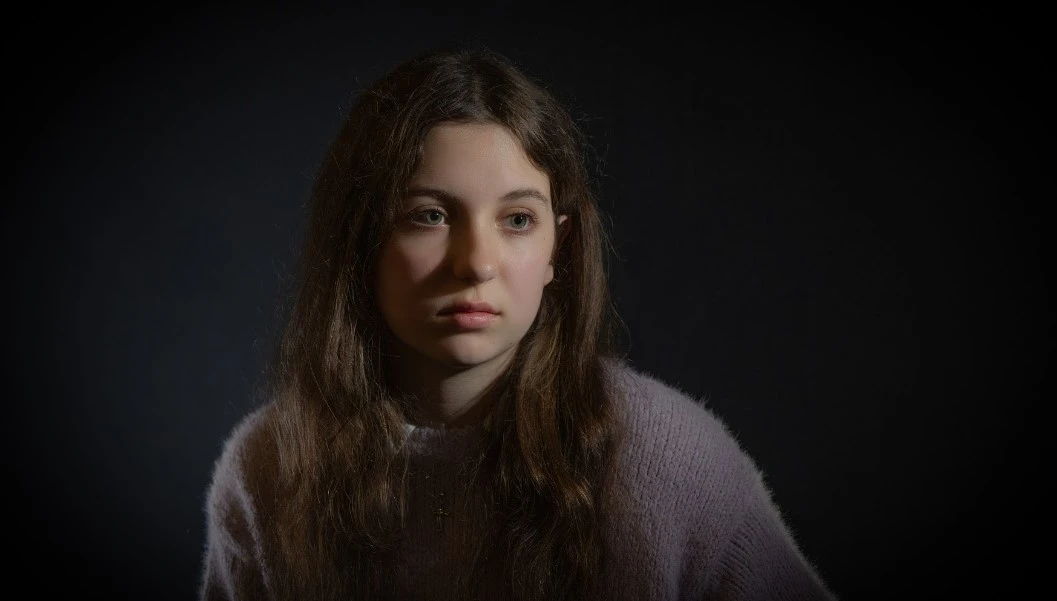 Violetta Rybas, 17 years old: “I would like to wake up and find out that all the horrors and lost years were just a dream”
After the children returned home, their parents told Andriy what was the reason why everything had to happen like this: “We are happy. Because for the first time since the full-scale invasion, they saw the children’s eyes shining”.
More than ten years ago, employees of the Honchar library created a virtual project called “Letters from the War”. It consisted of digitized diaries and letters of Kherson citizens from the Second World War. Among them were records of Kherson schoolchildren of the forties. Today on the Internet you can find only general photos of yellowed triangles and pages from the notebooks of those schoolchildren.
In Maria’s text about Kherson of the future, this library, which was bombed by the Russians three years ago, was rebuilt in 2052 and has seven floors. By analogy with “Letters from the War”, one can imagine that in the future the voices of the authors of the “My House” project will be presented here at another exhibition.
I imagine it in audio format: texts read by the voices of teenagers. It will take place on the now non-existent seventh floor, the roof will be glass, and through it you will be able to see how civilian planes fly in the sky.
The visitor will be able to go up here in the elevator, take headphones, sit in one of the frameless chairs, press the play button and immerse himself in the memories of children – listen to their voices, which will eventually merge into a din that will reflect our time in all its murderous delicacy:
“I am Maria. I am 14 years old. I would like to tell you about my 11th birthday.”
“We quickly gathered things: mom – documents, I – warm clothes, a laptop and my small quadcopter.”
“They searched us again, throwing things on the ground. The children were crying, but I didn’t feel anything.”
“I see the fire engulfing the body of the car… It looks like a torn can.”
“We continued to feed the animals. Even after the liberation of Kherson, until the time when our house was burned down.”
“I plan to become a military medic when I’m 18-19, unless, of course, a full-scale invasion ends. That’s my desire and my duty.”
“No people. No noise. No light. Just silence and explosions.”
Maria, Sasha, Ivan, Violetta, Polina, Angelina, Eleonora, Maria, Zlata.
Age: 14, 15, 16, 17.
Oksana Savchenko, for UP
”, — write: www.pravda.com.ua
Zlata and I meet for the first time in Zoom at the general meeting of the participants of the “My Home” theater project. It was invented by director Andriy Mai, also from Kherson. Nine teenagers from Kherson and Vysokopillya, villages in the Kherson region, have to write short plays about life in their hometown. Without conspiring, almost all authors decide to write about the occupation they experienced at the beginning of the full-scale invasion.
Now they are from 14 to 17 years old. They still live in a front-line town. It is dangerous to walk on it. The Russians arrange cannibals here safarihunting people with drones. So most school classes are online. And teenagers spend most of their time at home. This is the fourth year in a row.
Advertising:
Almost no one turns on video during a meeting. Therefore, I remember a part of the group by userpics, among which there are several cats and characters from anime. Zoom and user peaks indicate that the meeting is taking place in the 21st century. The circumstances under which we meet are something that humanity has not understood in a few thousand years.
Teenagers talk about their experience of being in the occupation on a daily basis. The contrast between the half-childish voices and the content of what they are talking about is striking.
“It was my birthday. Then an orc tank stopped by the yard. They put dad on his knees.”
“I didn’t have a graduation – my school was bombed. I loved my school.”
“They took people at night.”
“They started shooting at the cars driving ahead.”
“I’m going to Mykolaiv to rest from the war.”
“My dad is a volunteer – I want to write about my dad. Is it possible?”.
Only Zlata barely breaks down when she pronounces the name of her godson. She doesn’t say it directly, she can’t, but it’s clear that he died.
The war in the long run gets rid of the habit of telling details – because they are painful and indescribable. So intonation serves as a guide here. Everyone who is in the topic – and everyone is in the topic – reads it instantly. I turn off the video several times – why should teenagers see my facial expressions. I save myself by discussing technical details with them – how to format the text and when the deadline is.
Voices Unlike adults, teenagers do not violate deadlines. So almost all nine texts arrive on time. The topic “Occupation of the Kherson region” has its own voice. How a person’s face appears behind an avatar with a cat after turning on the video connection.
Zlata describes the first days of the occupation. The death of the godchild and how she and her mother were forced to hide in other apartments because the Russians were looking for them. At the same time, she needed to attend online classes at school. The teacher’s question finished her: “Why didn’t you make a bunny out of felt?”. In her text, tragedy and absurdity go hand in hand. In addition to the question about the felt bunny, the phrase “The morgue was bombed” is striking.
Zlata Kovalenko, 17 years old: “The Russian troops were looking for us. My mother and I had to hide in different houses and apartments.”
All photos by Oleksandr Chekmenyev
Events in the monologue Maria “Kherson from the future” takes place in 2052. Her heroine is her, only thirty years later, walking through the city and remembering the current war. The Kherson of the future looks like a dream city, and the author’s completely realistic memories stand in contrast.
“…Then the city resembled ruins – everywhere, on any street, there was at least one house that flew into.”
“We had several zones in the city. The red zone is the most dangerous. Neither the ambulance nor the fire department went there, only the police, and then only when the situation was safe. The next zone is yellow. It – something in between: you can live, but there are problems. And the green zone was the safest. And then the red zone began to expand and absorb yellow and green.”
Maria Ustianivska, 17 years old: “I fell asleep while still in the occupation, and woke up already liberated”Maria’s text mentions the completely destroyed central city library named after Oles Honchar. In 1942, he wrote in a notebook:
Grind the iron of the district,
The air is full of death.
I know that degree of tension
When nothing is scary anymore.
In 2025, a redhead Angelina when he was thirteen, he typed in Google Docs:
“We are standing. A roadblock. The Russians are walking slowly, weapons clanging against the metal of their chests.”
Angelina writes about how she was afraid that her father would be taken prisoner by the Russians if they found out that he had served. About the grandfather who went to work on February 24, 2022 and could not return home. She will call this text “The road through fear”. It will have a metallic iron taste. War, like a disease, has signs that mark the texts of those who have encountered it.
Angelina Fokina, 14 years old: “To see my loved ones, to hug and just be there for at least a few days”Children of war grow up fast. In the play Pauline “When we became different” heroes are from nine to eleven years old. All events take place in the yard. The first scene is the beginning of the war. Four friends promise each other to “survive the war together”. However, in the final, only two girlfriends remain, chewing straws. This straw runs through the play as a refrain – as a symbol reminding of a peaceful life.
Polina Postrygan, 14 years old: “Everything changed irrevocably”Heroes resort to the same technique in communication that adults use – when you can’t comfort a loved one, you either make jokes or talk about everyday life. Reflections destroy. Jokes save. And the yogic “here and now” acquires its original meaning.
Dad Eleanor – a volunteer Removes people and animals from the front zone. While dad is on a “business trip”, mom and daughter can’t find a place for themselves. Eleonora writes about one of these days in her work.
Eleonora Yefimova, 15 years old: “Silence clings to the walls, as if she doesn’t want to let her father go.”Fourteen years old Mary and Sashko from Visokopill tells about the clash with the occupiers three years ago. Their stories resemble entries in a diary. On the day Maria turned eleven, her village was occupied. Farmer parents, who raised pigs, went to deliver fresh meat to fellow villagers in the morning. “Free”, as Maria will write. And then he will explain: “Because people had nothing to eat.”
Her fifteen-year-old brother went to chop wood. She and her one-and-a-half-year-old sister were sitting in the summer kitchen when the invaders approached the yard:
“And this picture emerges: there are three to four occupiers standing somewhere, and my brother is walking with an ax in hand. Then the occupiers enter the yard, and just then the parents come running. And here we are standing between the summer kitchen and the house: my brother, me and my sister. At the entrance to the house are the occupiers who put my dad on his knees and pointed a machine gun at him, and opposite them is my mother. They needed my dad’s military card…”
Maria Storzhynska, 14 years old: “They shot a bullet into each mirror on the closet – there were three of them. It’s a little stupid on their part, because why destroy if you can’t steal?”Parents Sashka they could not dare to leave for a long time. Mother was against it, father insisted. One morning, dad went somewhere, then came back very excited, told mom that he urgently needed to pack up and leave for Kryvyi Rih. Mom cried, but packed documents and things.
“In the garage, dad opened the car – mom’s silver Daewoo Matiz. We hung white handkerchiefs on the mirrors and wrote “CHILDREN” on the door with toothpaste. Dad told us to sit down. He himself got behind the wheel and drove us to the exit from Visokopill.”
At the checkpoint, one bearded man in a dirty coat shot into the air and ordered everyone to leave with their hands up. Sashka’s mobile phone was confiscated. Dad was taken away in a black bus, mom was ordered to drive on. A column of cars moved along the steppe. And then something terrible happened.
Sasha writes: “I noticed some glare during the landing, but I didn’t pay attention. A few minutes later, an armored personnel carrier drove onto the field. We stopped, and the group in front drove on – they opened fire.” Father Sashko was released after a month.
Oleksandr Kononenko, 14 years old: “I was not afraid for my phone, but for my life”Ivan writes about how he first realized that death is near. With the beginning of a full-scale war, a new tradition appeared in his family: they began to go on vacation to Mykolaiv, which is located 50 kilometers from Kherson. An hour by car – and you are in a city in which there is an illusion of peace: children play in the streets, couples go for a walk.
In past years, this road was considered relatively safe. However, in the summer of that year, Ivan saw a burning car on the side of the road, which had just been hit by a drone. On that day, Ivan realized that he and his loved ones could have been in the place of the people who were in the burning car.
In addition to other abominations, war does a vile thing – it deprives youth of the illusion of immortality. Takes away the feeling of flight.
Ivan Volnikov, 15 years old: “For me, silence is like some long-forgotten feeling of freedom, a feeling of peace”After I finish reading Ivan’s text, I type in YouTube “Kherson track – Mykolaiv.” On the very first video that comes out, I see the Kherson steppes, which the guy so lyrically describes, and burning civilian cars on the roadsides.
Letters from the war In December 2025, a screening of the project “My Home” based on the texts of the Kherson people took place on the stage of the Young Theater. The director of the production is Andriy Mai. He invited the teenagers to Kyiv. On the Kherson route – They traveled to Mykolayiv accompanied by the police and under the cover of earthly substitutes for angels – REBs.
Actress Anastasia Szegeda helped Kherson teenagers feel safe in Kyiv. “People, tomorrow at 10.30 I will pick you up at the hotel and we will go to the movie “Train to Christmas”, a good movie without tears, as you wanted”According to Andrii, it was difficult at the first rehearsal – the actors cried when they read the texts.
“For me, the most important thing in this project is to let the children’s voices be heard. So that they feel supported. They understand that their experience is important. In addition to these teenagers, there are thousands of children in Kherson who are silent. Because it is painful for them to talk about their experiences,” – Mai explains.
Andrii Mai, director: “No one knows what happens to the children who grow up there”Violetta wrote a play about the graduation at school, which was supposed to take place in 2024. But it didn’t happen. It was managed to be organized on the stage of the Young Theater.
In her play, the heroine passes her graduation in a dream. There, everyone is dancing to a popular hit by a Korean group. In the Young Theater, both the audience and the actors waltzed to K-pop. The mixture of waltz movements and K-pop seemed as unreal as a Kherson school graduation nowadays. But the very fact that it was happening gave the graduation a new and modern meaning.
Violetta Rybas, 17 years old: “I would like to wake up and find out that all the horrors and lost years were just a dream”After the children returned home, their parents told Andriy what was the reason why everything had to happen like this: “We are happy. Because for the first time since the full-scale invasion, they saw the children’s eyes shining”.
More than ten years ago, employees of the Honchar library created a virtual project called “Letters from the War”. It consisted of digitized diaries and letters of Kherson citizens from the Second World War. Among them were records of Kherson schoolchildren of the forties. Today on the Internet you can find only general photos of yellowed triangles and pages from the notebooks of those schoolchildren.
In Maria’s text about Kherson of the future, this library, which was bombed by the Russians three years ago, was rebuilt in 2052 and has seven floors. By analogy with “Letters from the War”, one can imagine that in the future the voices of the authors of the “My House” project will be presented here at another exhibition.
I imagine it in audio format: texts read by the voices of teenagers. It will take place on the now non-existent seventh floor, the roof will be glass, and through it you will be able to see how civilian planes fly in the sky.
The visitor will be able to go up here in the elevator, take headphones, sit in one of the frameless chairs, press the play button and immerse himself in the memories of children – listen to their voices, which will eventually merge into a din that will reflect our time in all its murderous delicacy:
“I am Maria. I am 14 years old. I would like to tell you about my 11th birthday.”
“We quickly gathered things: mom – documents, I – warm clothes, a laptop and my small quadcopter.”
“They searched us again, throwing things on the ground. The children were crying, but I didn’t feel anything.”
“I see the fire engulfing the body of the car… It looks like a torn can.”
“We continued to feed the animals. Even after the liberation of Kherson, until the time when our house was burned down.”
“I plan to become a military medic when I’m 18-19, unless, of course, a full-scale invasion ends. That’s my desire and my duty.”
“No people. No noise. No light. Just silence and explosions.”
Maria, Sashko, Ivan , Violetta, Polina, Angelina, Eleonora, Maria, Zlata.
Age: 14, 15, 16, 17.
Oksana Savchenko, for UP