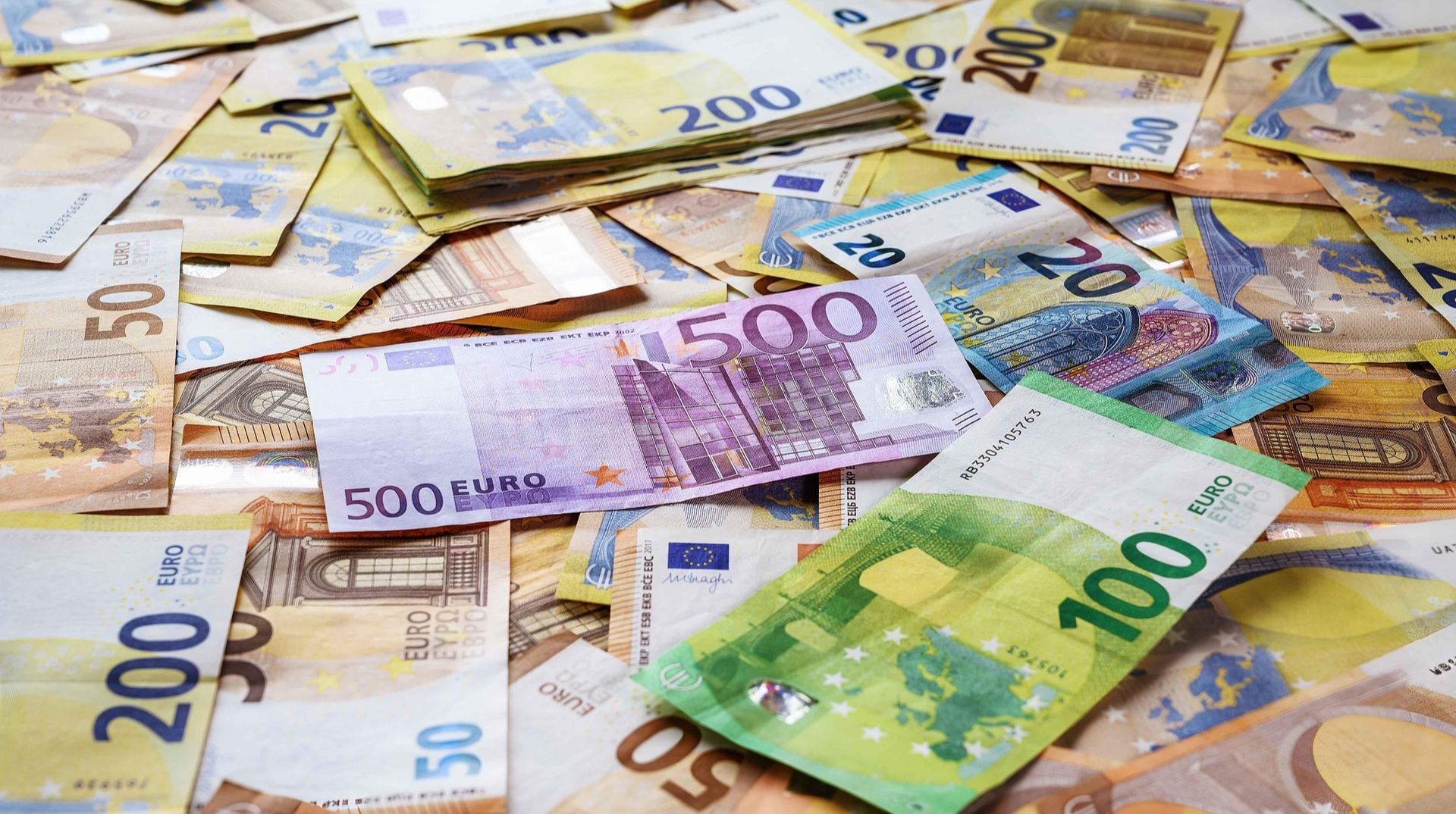
“Bulgaria will switch to the euro on January 1, saying goodbye to the leva, the national currency, and becoming the 21st country in the eurozone.”, — write: www.pravda.com.ua
 Illustrative photo from pixabay.com
 Source: “European truth” with reference to Reuters
Details: It is noted that this year Bulgaria has achieved all the necessary criteria, including indicators of inflation, budget deficit, borrowing, exchange rate stability, and from January 1, 2026, should become the 21st country of the Eurozone.
Advertising:
After the introduction of the euro, the country, in addition to switching to the new currency, gets a seat on the governing board of the European Central Bank.
The publication reminds that the transition to the euro has been the goal of many Bulgarian governments, but the public’s opinion on this is still divided.
In particular, some people are afraid of rising prices or do not want to lose the leu as their own national currency. Whereas business that actively trades with other European countries is mostly positive about the changes.
Recently, businesses have even begun to issue price tags for goods with a double price – in leva and euros.
Also, in recent weeks, state information billboards with the exchange rate and the slogans “Common past, common future, common currency” have been placed all over the country, and video clips have been shown reminding of the change.
The publication reminds that Bulgaria’s transition to the euro will take place during a large-scale political crisis, which is leading the country to eight early parliamentary elections.
Read in more detail why Bulgaria is going to early elections and how “Putin’s friends” can take advantage of this.
Meanwhile, Hungarian Prime Minister Viktor Orbán does not want to introduce the euro because he believes that the EU is “falling apart.”