The first month of winter in Ukraine has been characterized by unusually warm temperatures, according to meteorological experts. This winter has displayed significant variability across different regions, with notable differences in precipitation levels.
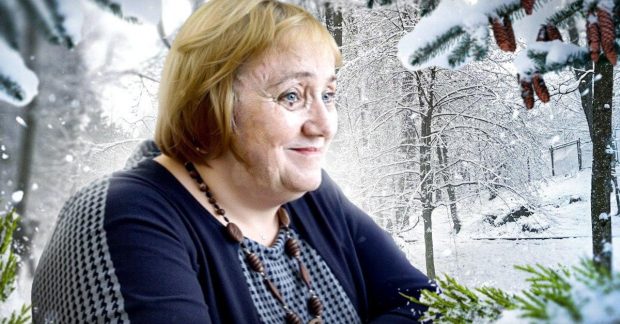
Vira Balabukh, a candidate of geographical sciences and head of the Applied Meteorology and Climatology Department at the Ukrainian Hydrometeorological Institute, commented that the season has been inconsistent, with some areas experiencing a lack of snow while others saw substantial snowfall.
Throughout the winter, Ukraine received between 80 to 180 millimeters of precipitation, which was unevenly distributed. The western regions faced a deficit, while the southeastern areas reported higher levels of rainfall.
December was particularly warm and dry, resembling autumn more than winter. January brought colder temperatures to much of the country, except for regions such as Transcarpathia, the Carpathians, and southern Ukraine. In February, some areas recorded temperatures below average, attributed to a Siberian anticyclone.
December’s Unusual Warmth
Balabukh noted, “December was anomalously warm, more akin to November. Winter arrived late, by two to three weeks, with a drop in temperatures and snowfall coinciding with the Christmas holidays, leading to a stable snow cover that has persisted since then.”
This winter’s snow cover is particularly noteworthy, as the last decade has seen a trend of milder winters with little to no persistent snow. The expert highlighted that severe cold was predominantly observed in the Polissia region, which is atypical, as the eastern parts of Ukraine and the Carpathians usually experience the lowest temperatures.
“In the Carpathians, temperatures were significantly higher than in regions such as Zhytomyr, Kyiv, or Chernihiv,” Balabukh added.
Understanding the Perception of Cold
Balabukh emphasized that the perception of this winter as particularly cold is somewhat misleading. The lack of heating due to Russian military strikes and the absence of low temperatures over the past thirteen years have influenced public sentiment. “Winters have been brief, and in some years, they were virtually nonexistent. We rarely experienced sustained snow cover or extreme cold temperatures of -20°C to -30°C during this period,” she explained.
As conditions that were once common become less frequent, the public’s reaction to typical winter weather has intensified. The recent return to more typical winter conditions has been met with heightened sensitivity due to the previous decade’s warmth.
March Weather Outlook
As reported by Ivan Semilyt, a meteorologist at the Ukrainian Hydrometeorological Center, March is expected to be a transitional month with fluctuations in temperature and precipitation. Currently, there are no indications of a significant drop in temperatures comparable to those seen in January and February.
This winter in Ukraine has been marked by unseasonably warm temperatures and variable weather patterns. Meteorologists note that while perceptions of extreme cold have emerged, actual conditions have not deviated significantly from historical norms.