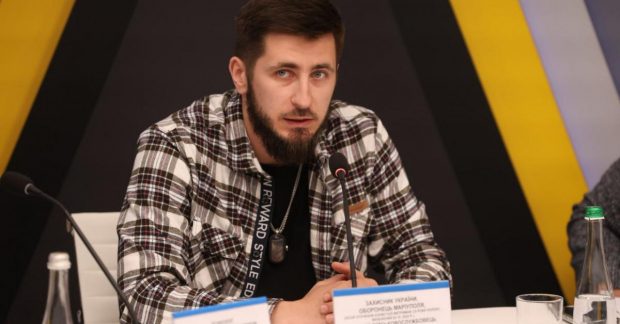
In Ukraine, the availability of psychologists is increasing, yet only a fraction are equipped to assist individuals who have experienced combat. This observation was made by Nazarі, a Ukrainian defender and former prisoner of war, during a roundtable discussion involving civil society members, government representatives, and military veterans.
Nazarі, who was released from Russian captivity on October 2, 2025, is a member of the 12th Brigade of the National Guard of Ukraine and is currently undergoing rehabilitation at Unbroken. He noted that while there are many psychologists available, a significant number are relatively inexperienced.
“We currently have a lot of psychologists, but many of them are newly qualified,” he remarked, adding that among the seven psychologists he has worked with, only three were truly effective.
He explained that while civilian psychologists can recognize their limitations in practice, military personnel often feel a psychological barrier, believing that only someone who has shared similar experiences can truly understand their struggles.
Nazarі emphasized that a qualified psychologist, even without military experience, can still be effective if they possess the necessary tools and skills. “It is crucial that they do not reach a point where they feel unable to continue due to a lack of competence. They must be highly skilled to navigate the challenges faced by veterans,” he stated.
He also mentioned the role of mentors—individuals who serve as intermediaries between psychotherapists and psychoanalysts—often sharing similar experiences and challenges as those they assist.
Another participant in the discussion, a veteran known by the call sign “Kherson,” who is a leading instructor in psychological preparation for military personnel, highlighted the difficulties in finding suitable professionals for psychological rehabilitation. He noted that not all specialists possess the requisite experience to address the trauma faced by veterans, particularly those stemming from significant shifts in values.
“It is essential to connect with a specialist promptly,” Kherson stated, warning that delays in receiving psychological support for conditions such as PTSD can lead to more severe consequences later on.
He pointed out that there is currently a shortage of competent psychologists capable of working with military personnel.
Psychological Support for Military Personnel in Ukraine
As reported by UNIAN, the Ukrainian Ministry of Defense announced at the end of 2025 that it had developed a new support model. This model aims to involve civilian psychologists in the psychological recovery of military personnel.
The proposed support system is structured across five levels, encompassing all stages of military service, from the first day of enlistment to reintegration into civilian life.
Related News:
- Wife of Fallen Hero Identifies Key Issues Facing Ukrainian Veterans
- Accused in Farion Murder Case Declares Hunger Strike
- Former Captive Discusses the Importance of Love in Recovery
The availability of qualified psychologists for Ukrainian veterans remains limited, with many lacking the necessary experience to address combat-related trauma. Experts emphasize the importance of timely psychological support to prevent long-term consequences for those suffering from conditions such as PTSD.
Source: UNIAN