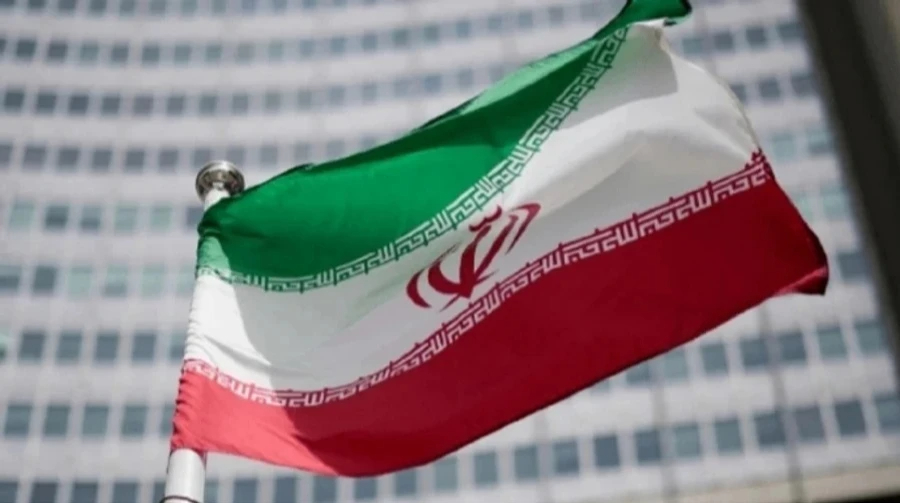
Recent reports from U.S. intelligence agencies indicate that the Iranian regime remains stable and is not at risk of imminent collapse. Despite significant events, including the death of Supreme Leader Ali Khamenei and the elimination of several high-ranking officials, the government continues to maintain social control.
Sources familiar with the situation have conveyed that the consolidation of religious leaders has persisted, contributing to the regime’s resilience. In private discussions, Israeli officials have also expressed uncertainty regarding whether the ongoing conflict will lead to a downfall of the Iranian government.
Furthermore, the Iranian Kurdish forces operating from Iraq are viewed as unlikely to pose a substantial threat to the Iranian regime. They reportedly lack both the manpower and resources necessary for a serious challenge. Recently, Kurdish leaders have appealed to the U.S. administration and Congress for military assistance, including weapons and armored vehicles. However, former President Donald Trump has publicly dismissed the idea of involving Iranian Kurds in the conflict.
On March 11, Trump characterized the war with Iran as both a military engagement and a “tour,” expressing confidence that it would conclude swiftly. Nevertheless, advisors to the current U.S. administration are reportedly urging a quicker resolution to the conflict, citing concerns that a prolonged war and rising oil prices could provoke a political backlash and impact upcoming congressional elections.
U.S. intelligence suggests that Iran's regime remains stable despite recent upheavals, with little expectation of imminent collapse. The ongoing conflict raises concerns about its duration and potential political repercussions in the U.S.