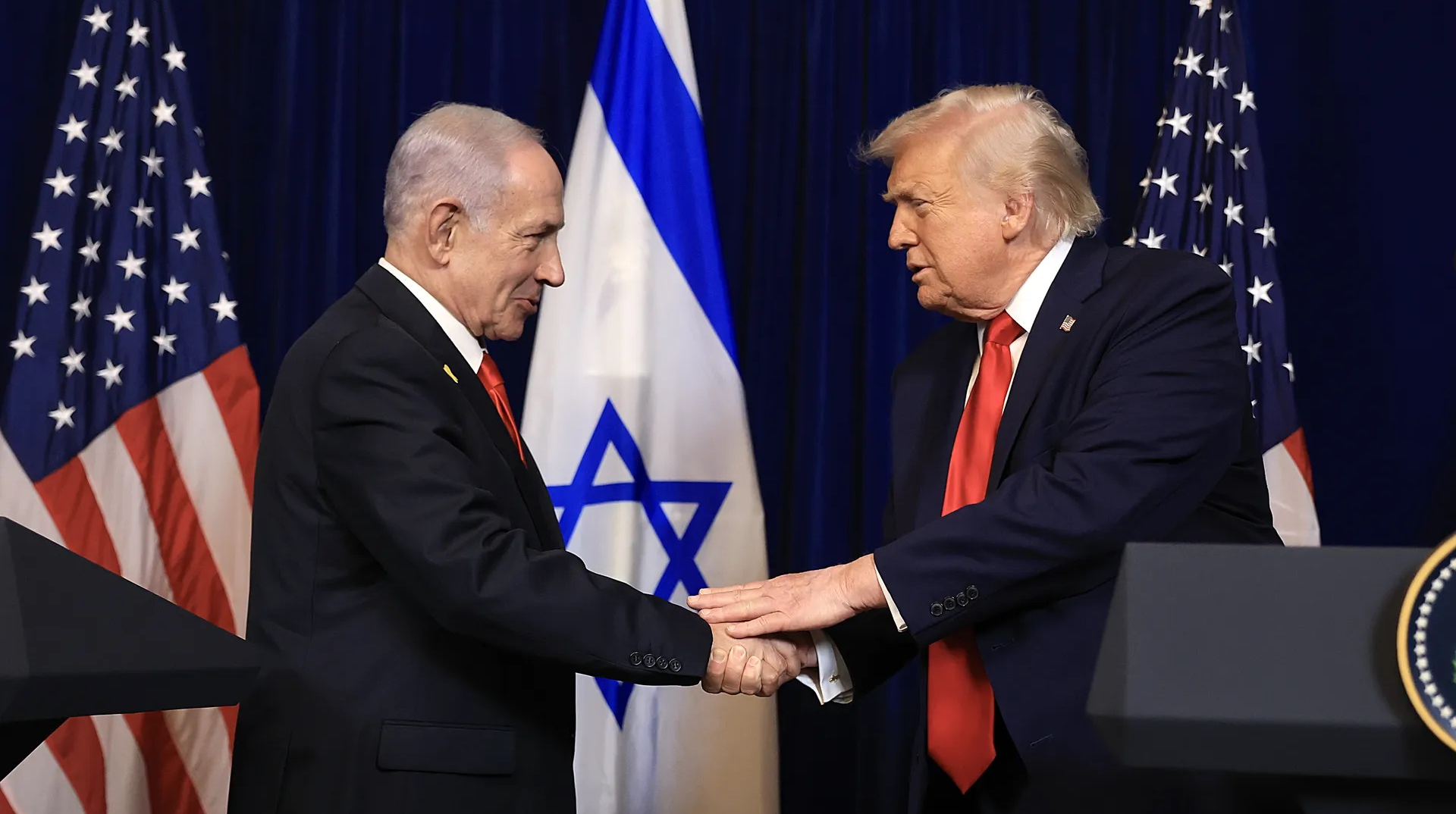
During a recent meeting at the White House, U.S. President Donald Trump and Israeli Prime Minister Benjamin Netanyahu agreed to intensify economic pressure on Iran, particularly targeting its oil sales to China. This strategy is seen as a crucial step in altering Iran’s calculations regarding its nuclear program.
Reports indicate that over 80% of Iran’s oil exports are directed to China. A reduction in these purchases could significantly increase the economic strain on Tehran. American officials believe that such pressure might compel Iran to make concessions regarding its nuclear ambitions.
According to Axios, the U.S. plans to implement a campaign of maximum pressure alongside ongoing nuclear negotiations with Iran. This approach is coupled with an increase in military presence in the Middle East, preparing for potential strikes if diplomatic efforts fail.
“We agreed to exert maximum pressure on Iran, particularly concerning the sale of Iranian oil to China,” stated a senior U.S. official.
Additionally, a recent executive order signed by Trump allows U.S. officials to recommend imposing tariffs of up to 25% on any country conducting business with Iran. Such tariffs on China for purchasing Iranian oil could further complicate already tense relations, especially as the U.S. seeks to maintain critical supplies of rare earth magnets and protect an upcoming summit in Beijing.
While Iran is a significant oil producer, markets are increasingly concerned about regional disruptions should Iran take measures to interrupt oil supplies from other countries. During their meeting, Trump and Netanyahu emphasized the necessity of preventing Iran from acquiring nuclear weapons, although they did not reach a consensus on how to achieve this goal. Netanyahu expressed skepticism about the feasibility of a beneficial agreement with Iran, suggesting that even if an agreement were reached, Iran would likely not adhere to it.
Trump, however, indicated that he believes a deal with Iran is possible, stating, “We’ll see if it’s possible. Let’s try.” U.S. negotiators Steve Biegun and Jared Kushner informed Trump that historical precedents suggest reaching a favorable agreement with Iran is challenging, if not impossible. They also noted that, at present, Iranian officials are “saying all the right things.”
Biegun and Kushner assured Trump that they would continue negotiations while maintaining a firm stance. If Iran agrees to a deal they find satisfactory, they would allow Iran to decide whether to proceed.
A second round of negotiations is scheduled for next Tuesday in Geneva, where Biegun and Kushner will meet with Iranian representatives.
Previously, Trump indicated that negotiations with Iran could extend over several weeks, as he aims for a diplomatic resolution that would curb Tehran’s nuclear ambitions.
Background:
- The Iranian regime has been accused of killing at least 16,500 people and injuring over 330,000 during a brutal crackdown on anti-government protests, amidst a total internet and phone service blackout.
- On January 11, Trump publicly warned Iran that the U.S. would intervene to assist protesters if the regime resorted to deadly violence against demonstrators.
- On January 28, Trump announced the deployment of a significant U.S. naval fleet near Iran and urged Tehran to engage in negotiations for a nuclear deal, threatening substantial military action.
- Recently, the USS Abraham Lincoln aircraft carrier strike group entered the Indian Ocean, operating within the U.S. Central Command’s area of responsibility.
- Satellite imagery from January 29 indicated that Iran began sealing tunnel entrances at a nuclear facility in Isfahan, suggesting preparations for potential bombings.
The U.S. and Israel have agreed to enhance economic pressure on Iran, particularly targeting its oil sales to China, as part of a broader strategy to influence Tehran's nuclear ambitions. This approach includes ongoing negotiations and increased military readiness in the region.
Source: Axios