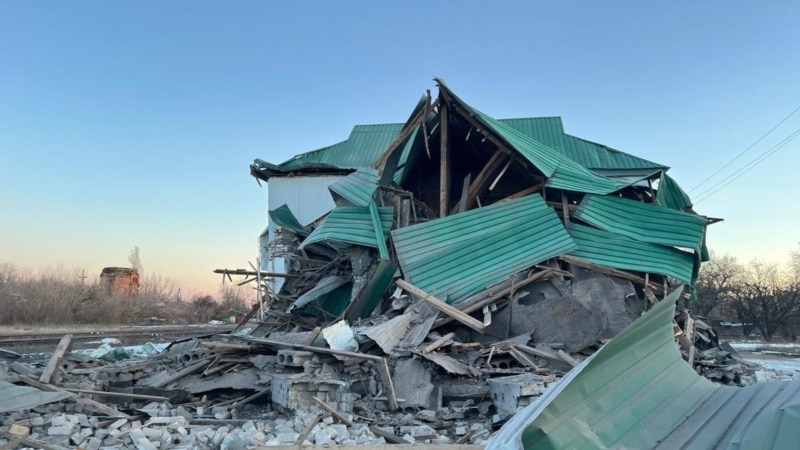
On March 25, 2023, Russian forces targeted emergency responders in the village of Velykyi Burluk, located in the Kupiansk district of the Kharkiv region, as they were extinguishing a fire caused by a drone strike. The State Emergency Service of Ukraine reported that the responders were working on a non-residential building that had caught fire, measuring approximately 100 square meters.
Fortunately, the emergency workers were able to take cover, and no casualties were reported. Alongside firefighters, medical personnel and community rescue officers were present at the scene, all of whom faced the risk of subsequent attacks.
This incident is part of a broader pattern of assaults by Russian military forces, which frequently employ various types of weaponry—including strike drones, missiles, and multiple rocket launch systems—to target Ukrainian cities and civilian infrastructure across the country.
Ukrainian authorities and international organizations have classified these attacks as war crimes, emphasizing their deliberate nature. The bombardment of essential services and healthcare facilities is viewed as an attempt to deprive civilians of electricity, heat, water supply, communication, medical assistance, and other critical living conditions.
Legal experts, genocide researchers, and human rights advocates assert that the actions taken by Russia during the ongoing conflict may constitute genocide. They point to several indicators, including:
- Public declarations from Russian officials suggesting the non-existence of Ukrainians as an ethnic group, along with calls for their destruction.
- Targeted attacks on vital infrastructure aimed at undermining the basic needs of the population.
- Persecution of pro-Ukrainian individuals in occupied territories.
- Efforts to eliminate Ukrainian intellectuals and cultural figures.
- Implementation of educational systems in occupied regions designed to alter children’s identities.
- Forced deportation of children to Russia to change their identity.
- Destruction of Ukrainian literature and cultural artifacts.
The 1948 United Nations Convention on the Prevention and Punishment of the Crime of Genocide defines genocide as actions intended to destroy, in whole or in part, a national, ethnic, racial, or religious group. The Convention obligates its 149 member states to prevent and punish acts of genocide in both wartime and peacetime.
Despite the evidence and allegations, Russian leadership continues to deny that its military is intentionally targeting civilian infrastructure, claiming that such accusations are unfounded.
In a recent attack, Russian forces targeted emergency responders in Kharkiv, Ukraine, as they extinguished a fire caused by a drone strike. This incident reflects ongoing assaults on civilian infrastructure, which Ukrainian authorities and international organizations classify as war crimes and potential acts of genocide.