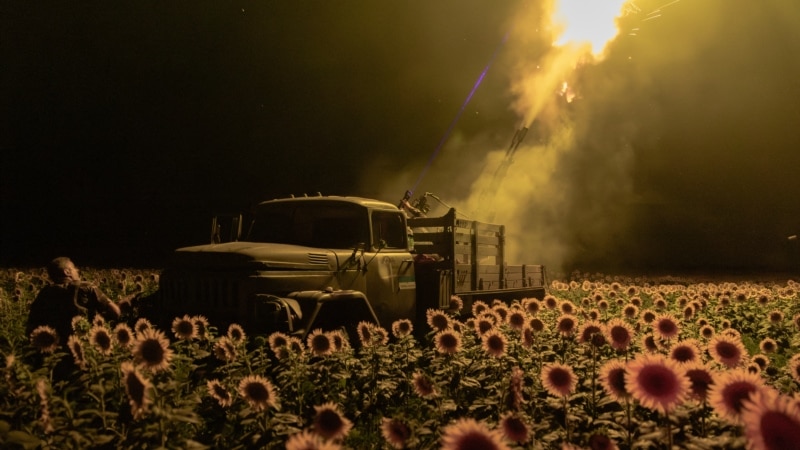
In a series of coordinated attacks on April 9, Russian forces launched 119 drones, primarily targeting Ukrainian cities and critical infrastructure. Approximately 70 of these unmanned aerial vehicles were identified as Shahed drones, according to reports from the Ukrainian Air Force.
By 8:00 AM, Ukrainian air defense systems had successfully intercepted 99 of the incoming drones across various regions, including the north, south, and east of the country. Despite these efforts, 16 drones managed to strike 11 locations, with debris from the intercepted drones falling in four additional sites.
In the Odesa region, local authorities reported damage to critical infrastructure due to the nighttime assault, although no injuries were reported among civilians. However, in Dnipropetrovsk, two individuals sustained injuries from the attacks.
Russian military operations have increasingly employed a range of weaponry, including drones, missiles, and artillery, to target urban centers and civilian facilities throughout Ukraine. These actions have been classified by both Ukrainian officials and international organizations as war crimes, emphasizing their deliberate nature.
The systematic targeting of essential services and healthcare facilities is viewed as an attempt to deprive civilians of electricity, heating, water supply, communication, and medical assistance. Legal experts and human rights advocates have characterized these actions as indicative of genocidal intent.
During the ongoing conflict, accusations have arisen regarding the Russian government’s intentions toward the Ukrainian populace. Statements from Russian officials have suggested a denial of Ukrainian identity, with calls for the eradication of the Ukrainian nation. Such rhetoric, combined with targeted attacks on infrastructure and cultural heritage, raises serious concerns regarding potential genocidal actions.
The 1948 United Nations Convention on the Prevention and Punishment of the Crime of Genocide obligates signatory states to prevent and punish acts of genocide during both wartime and peacetime. Currently, 149 countries are parties to this convention, which defines genocide as actions aimed at the destruction of national, ethnic, racial, or religious groups.
Indicators of genocide include the killing of group members, causing serious bodily or mental harm, deliberately inflicting conditions calculated to bring about a group’s destruction, preventing births within the group, and forcibly transferring children to another group. Public incitement to commit such acts is also considered a violation of the convention.
Despite these serious allegations, Russian leadership continues to deny that its military is intentionally targeting civilian infrastructure or causing harm to non-combatants, including hospitals, schools, and essential utilities.
Recent drone strikes by Russian forces have intensified attacks on Ukrainian infrastructure, raising serious allegations of war crimes and potential genocidal actions. Ukrainian officials report significant interceptions of drones, yet damage and injuries persist, highlighting the ongoing humanitarian crisis.