In recent developments, two individuals from Russian-occupied regions of Ukraine have received lengthy prison sentences for actions deemed as treason by Russian authorities. These cases highlight the increasing use of treason laws in Russia as a tool for political repression amid ongoing conflict.
On April 9, Russian media outlet Meduza reported that a court in the Kherson region sentenced 55-year-old Natalia Povyetkina to 12 years in a general regime penal colony, along with a fine of 100,000 rubles. According to the prosecution, Povyetkina was accused of gathering intelligence on the locations of Russian military equipment and personnel, which she allegedly relayed to a Ukrainian intelligence officer.
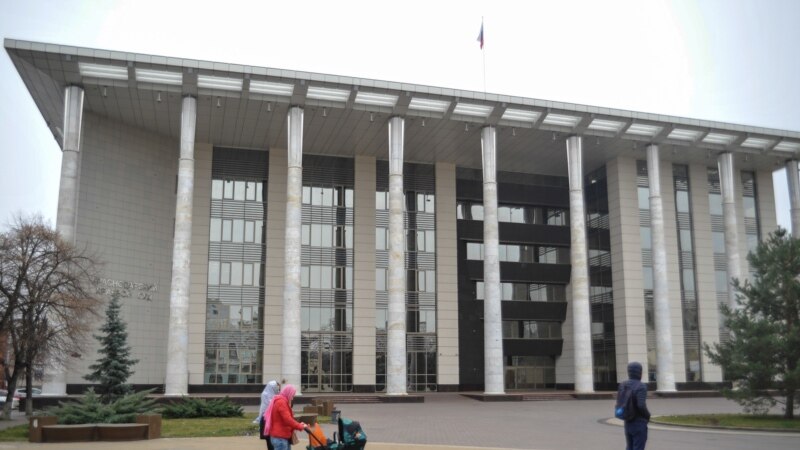
In a separate case, a resident of the Krasnodar region, originally from Crimea, received an even harsher sentence of 17 years in a high-security prison. The individual, whose name has not been disclosed, was also subjected to a year of restricted freedom and had 569,204 rubles confiscated, purportedly obtained through criminal activities. The prosecution claimed that he intercepted communications from Russian security services and recorded conversations from a strategic enterprise in Kuban, passing this information to Ukrainian authorities.
According to the Russian human rights project First Department, as of December 2025, over a thousand sentences related to treason and espionage have been handed down by Russian courts since the onset of the full-scale war with Ukraine. Notably, 468 of these sentences were issued in 2025 alone, marking the highest annual total since 1997.
The report indicates that since the beginning of the conflict, charges of treason, espionage, and unauthorized collaboration have become significant instruments for political repression within Russia. This trend raises concerns about the implications for civil liberties and the treatment of dissenters in the context of the ongoing war.
Two individuals from Russian-occupied Ukrainian territories have been sentenced to lengthy prison terms for alleged treason, reflecting a broader trend of political repression in Russia. The cases illustrate the increasing use of treason laws amid the ongoing conflict with Ukraine.