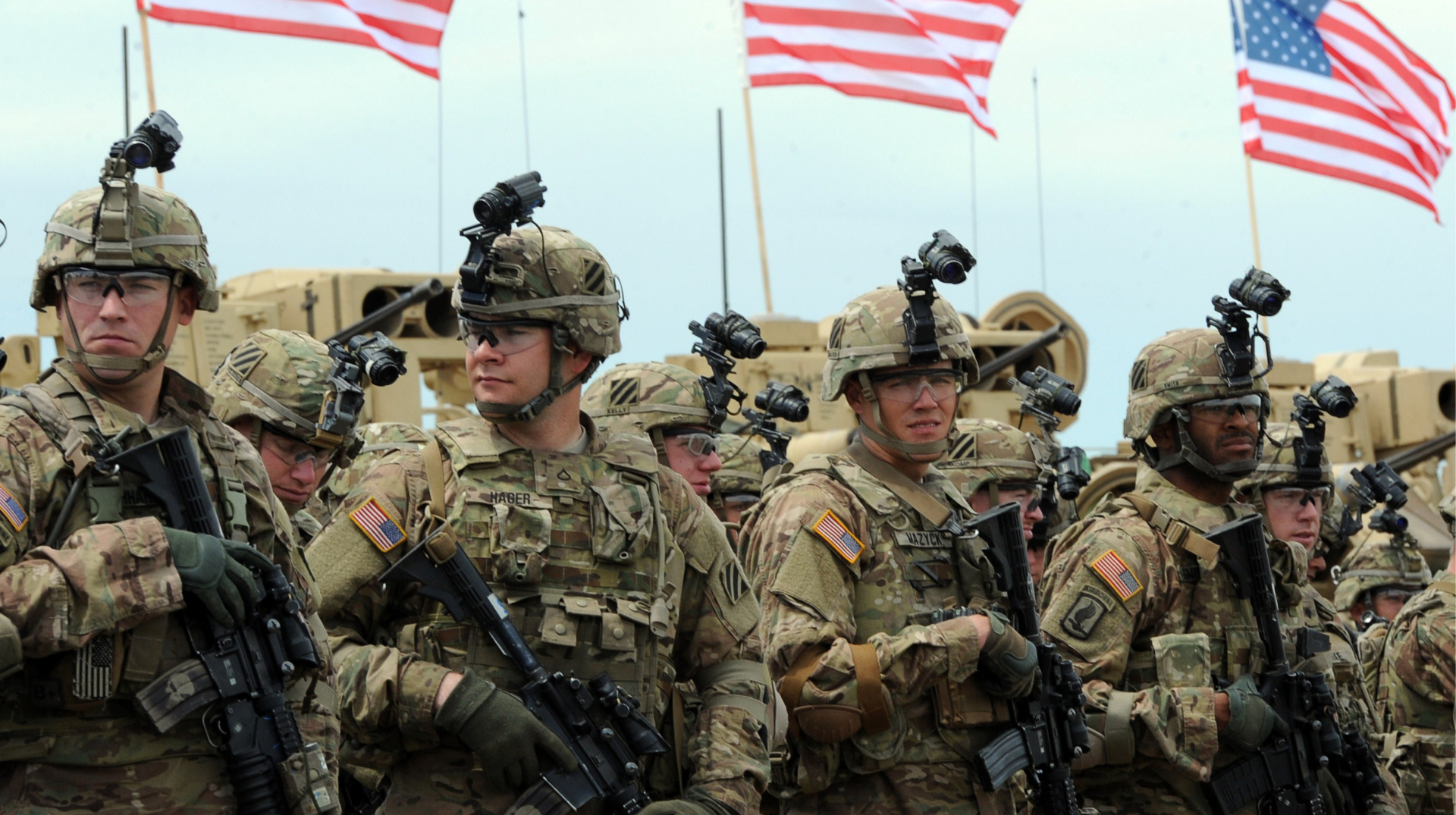
The Pentagon has decided not to release its Global Posture Review, a crucial document that outlines the deployment of U.S. military forces abroad, marking the first time in decades this information has been withheld. This decision has raised concerns among U.S. lawmakers and international allies who rely on the report for military budgeting and policy analysis.
According to sources familiar with the matter, the Pentagon will instead engage in informal discussions rather than publishing the official review. The administration believes it has provided sufficient information through other strategic documents that indicate a shift in focus towards the Western Hemisphere.
Officials within the administration have indicated that this approach aligns with a broader trend of acting independently while informing partners and Congress about military operations only after they occur. This includes actions ranging from naval strikes in the Caribbean to military engagements with Iran.
The decision to withhold the review is likely to provoke significant anxiety on Capitol Hill and in European capitals, where officials express a pressing need for clearer insights into U.S. military ambitions. Members of the Senate Armed Services Committee have reported that they were not formally notified about the cancellation of the document’s publication, complicating their efforts to work on the defense budget.
NATO allies have voiced concerns that the absence of a clear plan could lead to unexpected developments from an administration perceived as increasingly focused on its own military capabilities rather than on collaborative partnerships. A NATO military official remarked, “Our primary request is for predictability. We understand the necessity to step up and take greater responsibility for our own security, and we are doing so. However, we need predictability.”
The Pentagon's decision to withhold its Global Posture Review has raised concerns among U.S. lawmakers and NATO allies about military transparency and planning. The lack of formal communication regarding this change complicates defense budgeting efforts and heightens uncertainty regarding U.S. military intentions.