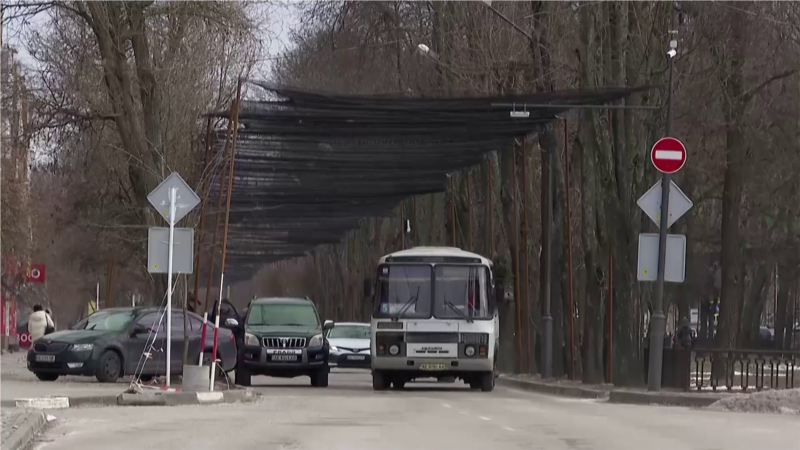
On March 30, a drone strike in Nikopol resulted in injuries to eight individuals, according to Oleksandr Hanzha, the head of the Dnipropetrovsk Regional Military Administration. The attack caused damage to shops, a residential building, and vehicles in the area.
The victims included four men and four women, who suffered from mine-explosive injuries, shrapnel wounds, and fractures. Medical personnel are currently providing necessary assistance to those affected.
Russian forces have been consistently targeting Ukrainian cities and civilian infrastructure using various types of weaponry, including strike drones, missiles, and multiple rocket launchers. These attacks have been classified by Ukrainian authorities and international organizations as war crimes, emphasizing their deliberate nature.
Officials have condemned the strikes on essential services and healthcare facilities, asserting that such actions aim to deprive civilians of electricity, heating, water supply, communication, and medical care—conditions deemed indicative of genocidal acts. Legal experts and human rights advocates argue that Russia’s actions during the ongoing war encompass various forms of crimes that could be classified as genocide.
Notably, the 1948 UN Convention on the Prevention and Punishment of the Crime of Genocide obligates its 149 member states to prevent and punish acts of genocide during both wartime and peacetime. The Convention defines genocide as actions intended to destroy, in whole or in part, a national, ethnic, racial, or religious group.
Indicators of genocide include the killing or serious harm to members of a group, the deliberate infliction of living conditions calculated to destroy a group, and public incitement to commit such acts. Despite these allegations, Russian leadership denies that its military is intentionally targeting civilian infrastructure or causing civilian casualties.
A drone strike in Nikopol on March 30 injured eight people, highlighting ongoing Russian military attacks on Ukrainian civilian infrastructure. The incident has drawn international condemnation and raised concerns about potential war crimes.