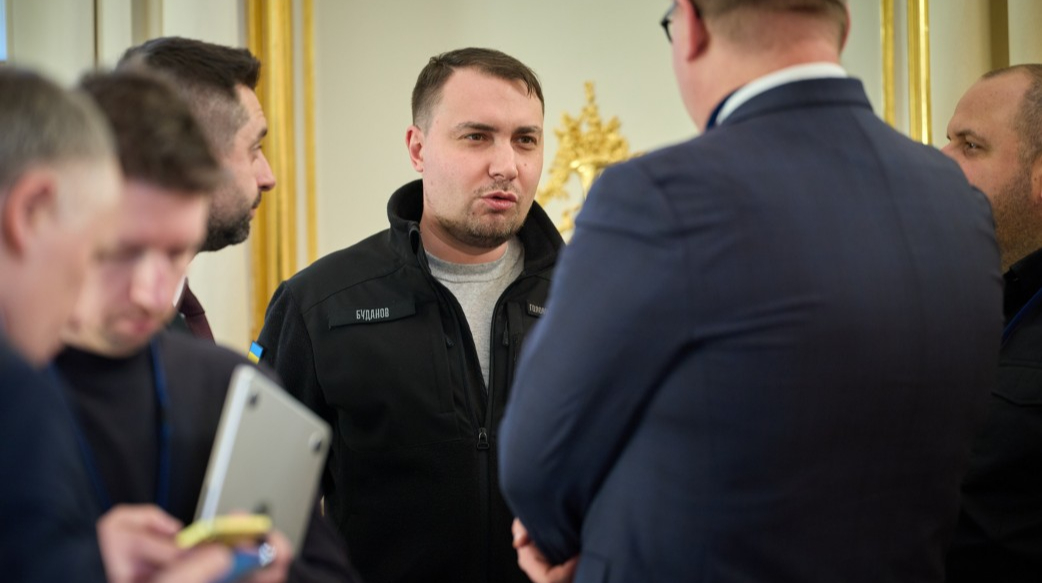
Recent discussions surrounding Ukraine’s negotiation strategy with Russia have revealed significant internal divisions within the Ukrainian delegation. According to a report from The Economist, differing perspectives are emerging, particularly between factions led by Kirilo Budanov, the head of Ukraine’s military intelligence, and supporters of former presidential office chief Andriy Yermak.
Budanov’s faction advocates for a swift agreement with Russia under U.S. auspices, arguing that the opportunity for a resolution may soon diminish. In contrast, Yermak’s supporters appear more pessimistic about the prospects for successful negotiations, reflecting a broader uncertainty regarding the future of peace talks.
The report highlights that both Ukraine and Russia have appointed more pragmatic figures to their negotiation teams as they enter a new phase of discussions. Budanov has emerged as a prominent leader within Ukraine’s delegation, with some sources estimating a 50-50 chance of a breakthrough in the talks.
On the Russian side, Vladimir Medinsky has been reinstated as the head of their negotiation group. Analysts describe Medinsky as a controversial figure, noted for his tendency toward historical revisionism.
The ongoing negotiations, which resumed on February 17 in Geneva, involve a trilateral format that includes the United States. As the discussions progress, President Volodymyr Zelensky appears to be navigating the differing views within his team, weighing his own strategies alongside the contrasting opinions of Budanov and Yermak’s faction.
This evolving dynamic within Ukraine’s negotiation team underscores the complexities of achieving a lasting peace agreement amidst ongoing conflict and shifting geopolitical landscapes.
Internal divisions within Ukraine's negotiation team highlight contrasting strategies for peace talks with Russia. Kirilo Budanov advocates for a swift agreement, while supporters of Andriy Yermak express skepticism, complicating the path forward.