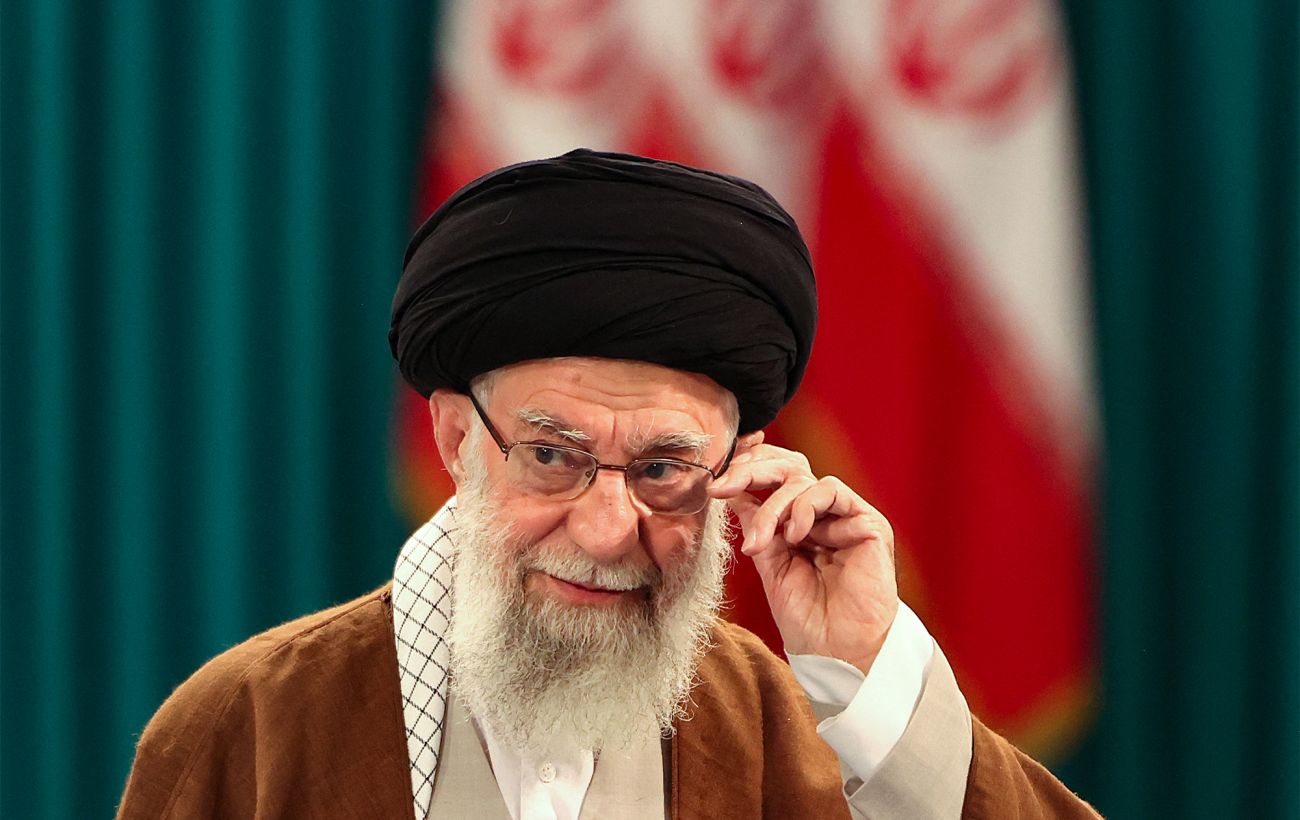
On February 28, a series of airstrikes attributed to U.S. and Israeli forces targeted key locations in Iran, raising questions about the fate of Supreme Leader Ayatollah Ali Khamenei. Reports indicate that he may have been injured and is currently uncommunicative, with his exact status remaining unclear.
Israeli officials have stated that Khamenei was effectively “cut off from communication,” leading to widespread speculation about his condition. In contrast, Iranian authorities have announced plans to release a video message from the Ayatollah, suggesting efforts to reassure the public regarding his well-being.
According to preliminary assessments from Israeli sources, Khamenei sustained injuries during the strikes. However, there has been no official confirmation from American, Israeli, or Iranian officials regarding his status. The Iranian government has taken measures to secure the area around Khamenei’s residence, as well as the residences of other high-ranking officials, including President Masoud Pezeshkian, who was also a target.
One Iranian official informed Reuters that Khamenei has been relocated to a “safe place” outside of Tehran. Meanwhile, Israeli reports indicate that the airstrikes resulted in the deaths of Iran’s Defense Minister Amir Nasirzadeh and Major General Mohammed Pakpour, the commander of the Islamic Revolutionary Guard Corps (IRGC).
The Iranian government has denied reports of Khamenei’s death. Iranian Foreign Minister Abbas Araghchi stated in an interview with NBC News that the Supreme Leader is alive, adding, “As far as I know.” He acknowledged the deaths of the two military leaders but asserted that all other senior officials of the Iranian regime have survived.
In the early hours of February 28, multiple explosions were reported across Iran, marking what has been described as a large-scale joint operation involving the United States. President Donald Trump confirmed that the U.S. has initiated military action in Iran aimed at neutralizing threats posed by the regime.
It is now confirmed that the airstrikes targeted several high-profile figures, including Khamenei and Pezeshkian, as well as various strategic sites. Among the targets were the residences of Khamenei and Pezeshkian, the Iranian parliament, the Ministry of Intelligence, the Ministry of Defense, nuclear facilities, military bases, and airfields.
In retaliation, Iran launched missiles toward Israeli territory and struck U.S. military installations in Bahrain, Qatar, the UAE, Kuwait, and Saudi Arabia. Following these developments, regional allies have expressed a willingness to join forces with the U.S. and Israel in further military actions against Iran.
The airstrikes on February 28 have left the status of Iran's Supreme Leader Ali Khamenei uncertain, with conflicting reports about his condition. The strikes, which targeted multiple high-ranking officials and strategic locations, have escalated tensions in the region, prompting retaliatory actions from Iran.