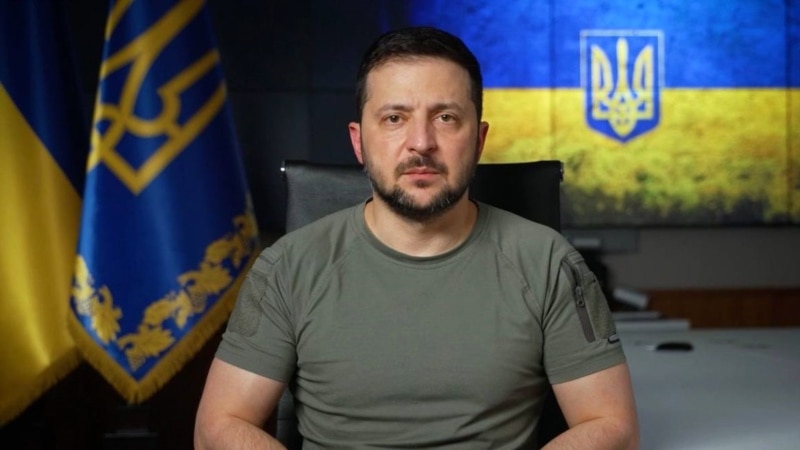
Ukrainian President Volodymyr Zelensky announced on March 1 that Russia has launched more than 700 missiles and nearly 19,000 strike drones against Ukraine during the winter months. This escalation in military activity underscores the ongoing conflict between the two nations, which has persisted since 2014.
The figures provided by Zelensky highlight a significant increase in the intensity of aerial assaults. The use of drones, in particular, has become a prominent feature of modern warfare, allowing for both surveillance and precision strikes. The reliance on these unmanned vehicles reflects a shift in military tactics and capabilities.
Throughout the winter, Ukrainian forces have been engaged in defending their territory against these persistent attacks. The Ukrainian military has adapted its strategies to counter the increased threat posed by aerial bombardments, which have targeted both military installations and civilian infrastructure.
In response to the ongoing assaults, Ukraine has sought to bolster its air defense systems. International support has played a crucial role in enhancing Ukraine’s defensive capabilities, with various countries providing advanced technology and equipment. This assistance aims to mitigate the impact of Russian strikes and protect critical infrastructure.
The situation remains fluid as both sides continue to engage in military operations. The winter months have historically been challenging for military campaigns, yet the current conflict has seen both sides persist in their efforts despite harsh conditions.
As the conflict continues, the international community is closely monitoring developments. The escalation in military activity raises concerns about the humanitarian impact on the civilian population, as well as the broader implications for regional stability.
Ukrainian President Volodymyr Zelensky reported significant Russian military activity this winter, with over 700 missiles and nearly 19,000 drones deployed against Ukraine. This escalation highlights the ongoing intensity of the conflict and the adaptation of military strategies on both sides.