The United States and Israel are intensifying efforts to undermine Iran’s military strength, driven by concerns over significant ammunition expenditures that could deplete U.S. arsenals. This strategy comes as military planners warn of the risks associated with prolonged engagements in the region.
U.S. officials indicate that the focus is on rapidly reducing Iran’s missile and drone capabilities, while simultaneously expending large quantities of air defense interceptors. This situation has raised alarms among military analysts regarding the sustainability of U.S. military resources.
Although exact figures regarding missile stocks remain classified, ongoing military operations in the Middle East are substantially diminishing these supplies. Following a series of strikes on Iranian military sites, U.S. Central Command reported intercepting hundreds of missile and drone attacks, although some managed to hit targets in Gulf nations.
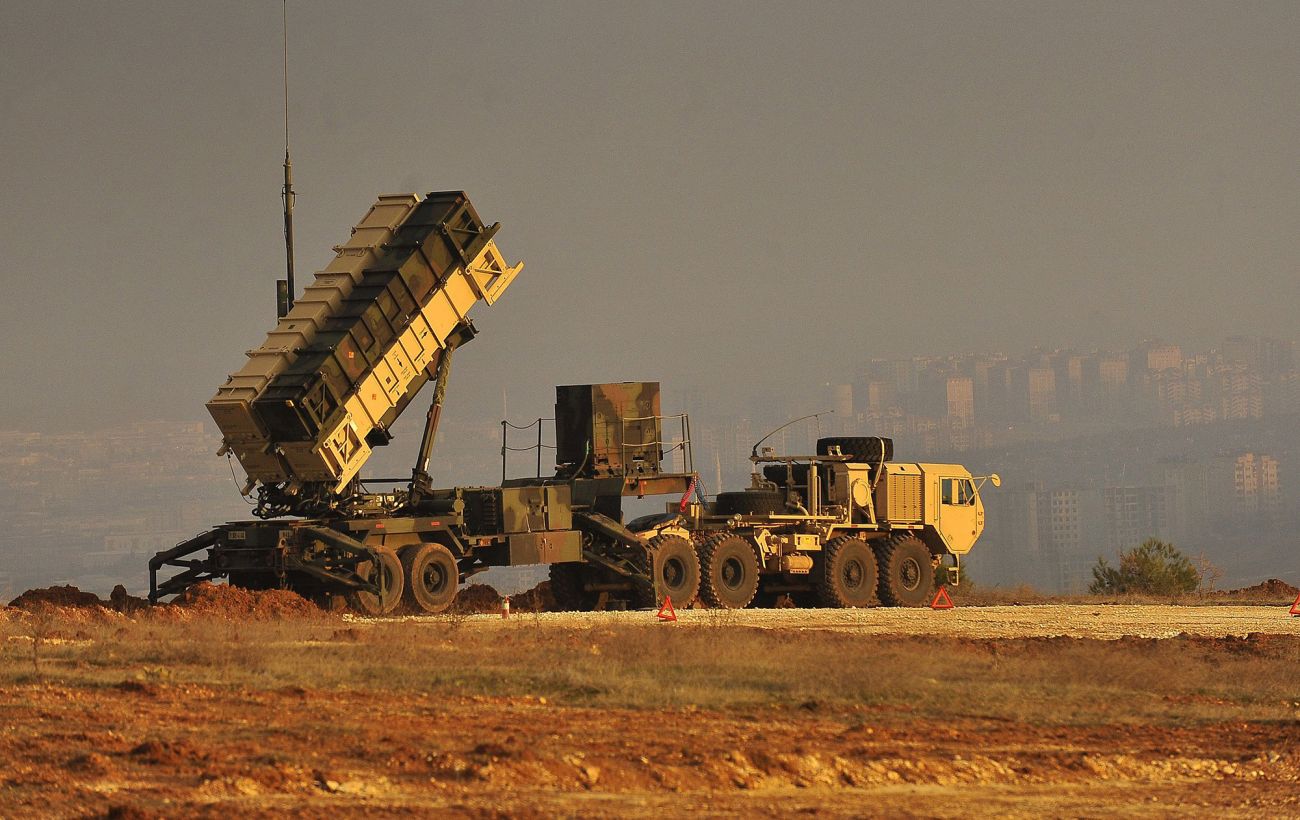
Former President Donald Trump has suggested the possibility of a prolonged air campaign against Iran. However, experts caution that the rate of interceptor usage is outpacing production capabilities. The U.S. is actively deploying systems such as Patriot and THAAD, along with Tomahawk cruise missiles, to target Iranian assets.
Analysts warn that a shortage of precision-guided munitions could hinder U.S. readiness for potential conflicts elsewhere, particularly in the Indo-Pacific region. Israel, which is also engaged in military operations, is facing similar shortages of interceptors.
Experts estimate that if hostilities continue, the Pentagon may need to reallocate missile supplies from other global regions, potentially affecting munitions deliveries to Europe, where many missiles are being supplied to Ukraine.
The U.S. and Israel are accelerating military actions against Iran, driven by concerns over ammunition shortages that could impact their operational readiness. As military engagements continue, the depletion of precision-guided munitions raises questions about future conflict preparedness.