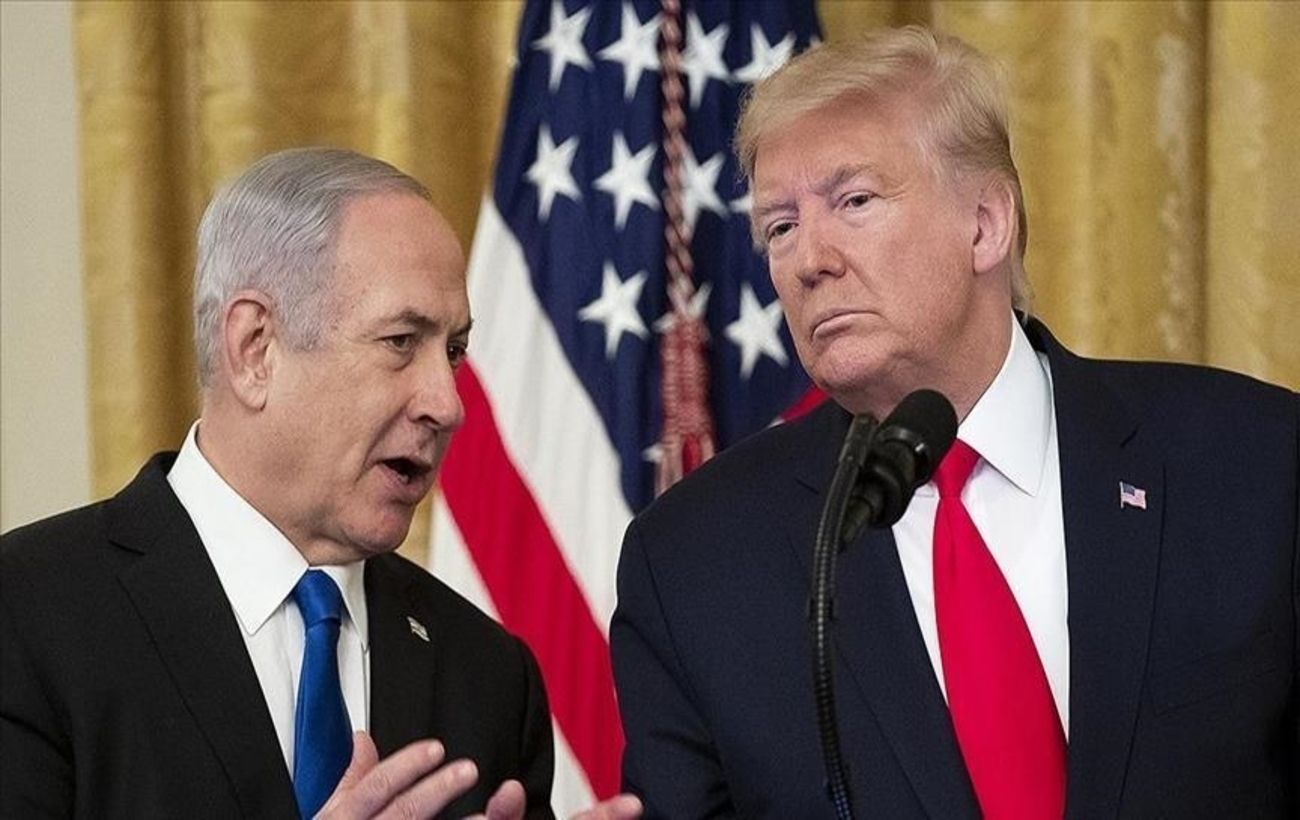
Former U.S. President Donald Trump has declined Israeli Prime Minister Benjamin Netanyahu’s suggestion to incite protests among the Iranian populace against their government. This conversation highlights a divergence in the strategic priorities of the United States and Israel regarding Iran.
During their discussion, Trump expressed opposition to encouraging Iranians to take to the streets, fearing it could lead to significant casualties. An American official familiar with the conversation reported Trump’s remarks, in which he questioned the rationale behind urging people to protest when they could be killed.
“Why the hell should we tell people to go out in the streets if they are just going to get mowed down?” Trump reportedly stated.
This dialogue occurred in the aftermath of Israeli strikes that resulted in the deaths of key Iranian officials, including national security chief Ali Larijani and Basij militia commander Gholamreza Soleimani, along with their deputies. Israeli officials indicated that Soleimani’s assassination aimed to facilitate a popular uprising, as he was known for suppressing protests.
Netanyahu, during the conversation, described the Iranian regime as being in chaos, suggesting that this instability could create opportunities for further destabilization. However, U.S. officials maintain that Trump views regime change in Iran as a potential benefit rather than a primary objective.
Trump’s concerns about public calls for protests reflect a cautious approach, especially given the historical context where thousands of Iranian protesters have been killed in previous uprisings prior to the onset of conflict.
Donald Trump's rejection of Benjamin Netanyahu's proposal to incite protests in Iran underscores differing U.S. and Israeli perspectives on regime change. While Netanyahu sees potential for uprising amid Iranian chaos, Trump prioritizes the safety of civilians, wary of mass casualties.