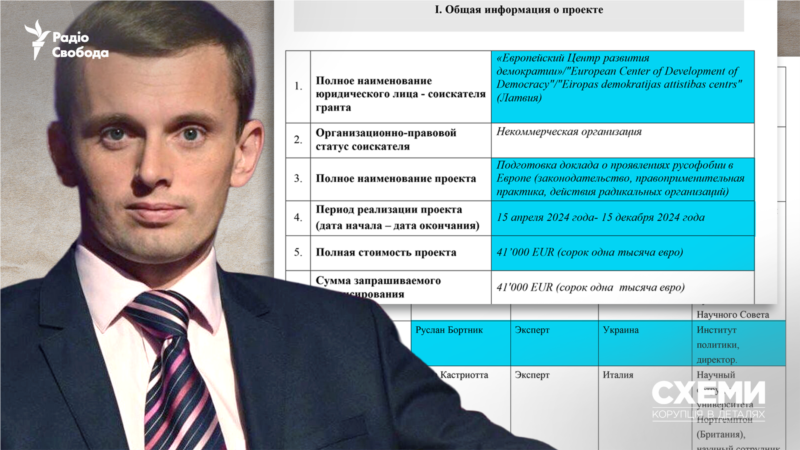
Recent investigations have highlighted the prevalence of research studies that echo themes commonly found in Russian propaganda. These studies have been conducted both prior to and following Russia’s full-scale invasion of Ukraine.
The findings suggest a troubling alignment between certain academic outputs and state-sponsored narratives. This alignment raises questions about the integrity and independence of research in the context of geopolitical conflicts.
Before the invasion, several studies appeared to support the Kremlin’s perspectives on various issues, including historical grievances and territorial claims. Following the onset of the conflict, the continuation of similar research themes indicates a persistent influence of Russian propaganda in academic circles.
Critics argue that such studies can contribute to misinformation and skew public perception, particularly in regions heavily affected by the war. The implications of this research extend beyond academic discourse, potentially shaping policy decisions and public opinion.
In light of these developments, it is essential for scholars and institutions to critically evaluate the sources and motivations behind research outputs. Ensuring academic rigor and independence is crucial in maintaining the credibility of research in politically charged environments.
As the situation evolves, the academic community faces the challenge of addressing these issues while upholding the principles of objective inquiry.
The article discusses the emergence of research studies that align with Russian propaganda, both before and after the invasion of Ukraine. It emphasizes the need for critical evaluation of academic integrity in politically sensitive contexts.