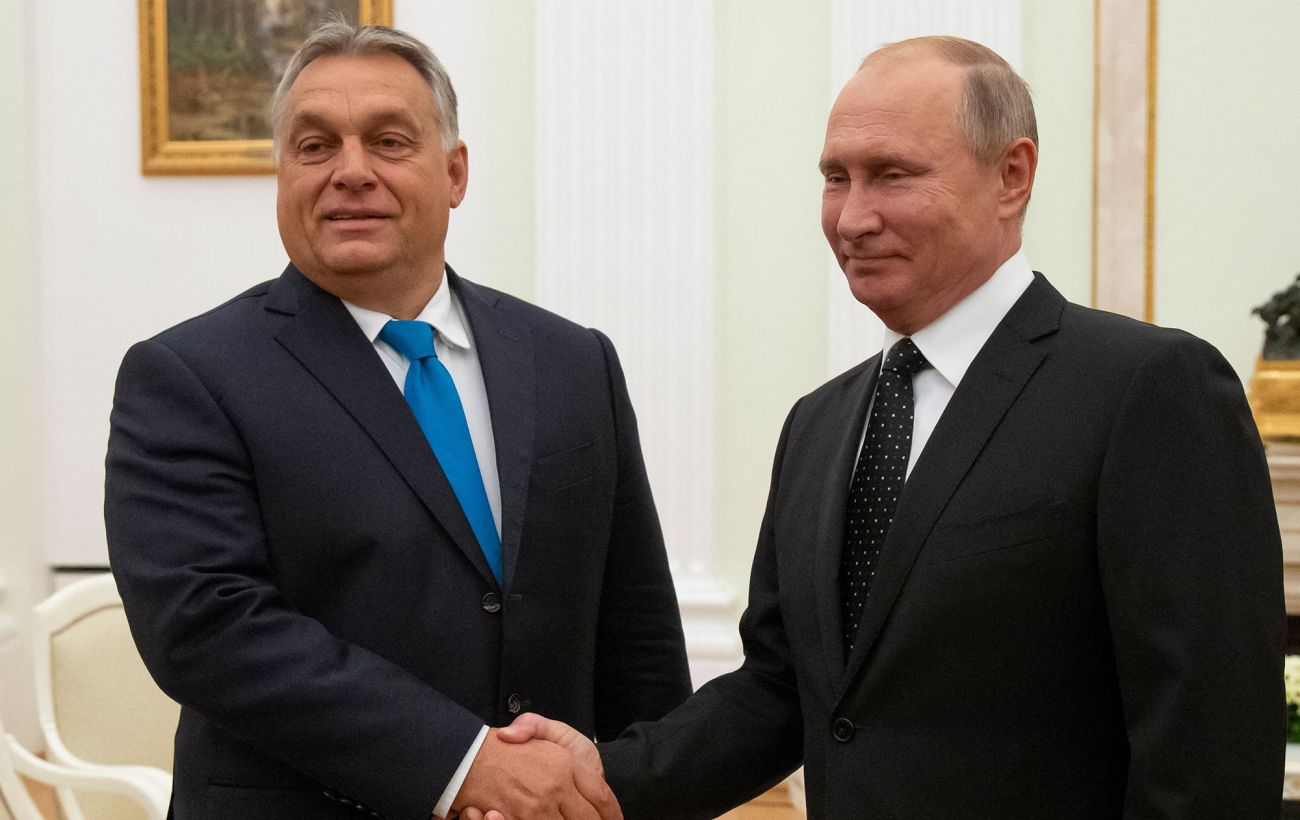
The Kremlin is preparing for the possibility of a defeat for Hungary’s ruling Fidesz party in the parliamentary elections scheduled for April 12. Reports indicate that Russian authorities are laying the groundwork to attribute any electoral failure to the Hungarian leadership itself.
According to Meduza, sources close to the administration of Russian President Vladimir Putin express skepticism about Fidesz’s chances. Initially, Moscow had hoped for a victory for Prime Minister Viktor Orbán, bolstered by the efforts of political strategists. However, current assessments suggest a shift in expectations.
“There were hopes that Orbán and his strategists could turn the situation around and win the elections through party lists. Now, the Kremlin assumes that this will not happen,” a source stated.
If Fidesz does lose, Kremlin-controlled media are expected to frame the outcome as a “color revolution” orchestrated by the European Union, with Orbán personally held accountable for the defeat.
“Even with our support, they achieved nothing,” is a sentiment already emerging within Kremlin discussions.
Western media outlets, including the Financial Times and The Washington Post, have previously reported on alleged Russian attempts to assist Fidesz. This strategy reportedly included promoting Orbán as a “strong leader” and launching informational attacks against his main opponent, Péter Madjár, and his party, Tisza. While the Kremlin denies any official management of the campaign, it acknowledges providing “assistance” on social media platforms.
Support for Orbán has also come from U.S. President Donald Trump and Vice President Jay D. Vance. Despite this backing, recent polls indicate that Fidesz is trailing behind Tisza, although a significant portion of voters remains undecided.
The upcoming elections have raised concerns regarding their integrity, with European Parliament members highlighting serious threats from Russian interference and state pressure on opposition parties. They have characterized the electoral campaign in Hungary as “dirty.” Additionally, reports have surfaced about a secret “Moscow Protocol” signed by Orbán’s government, which outlines a 12-point plan aimed at significantly expanding economic and energy ties with Russia, contrary to EU sanctions.
Madjár, Orbán’s chief rival, has pledged that if the opposition wins, Hungary will alter its approach toward the Kremlin, promising to establish pragmatic relations based on non-interference in domestic affairs.
The Kremlin is preparing for a potential defeat of Hungary's Fidesz party in the upcoming elections, with plans to shift blame to Orbán. Reports indicate concerns over election integrity amid allegations of Russian interference.