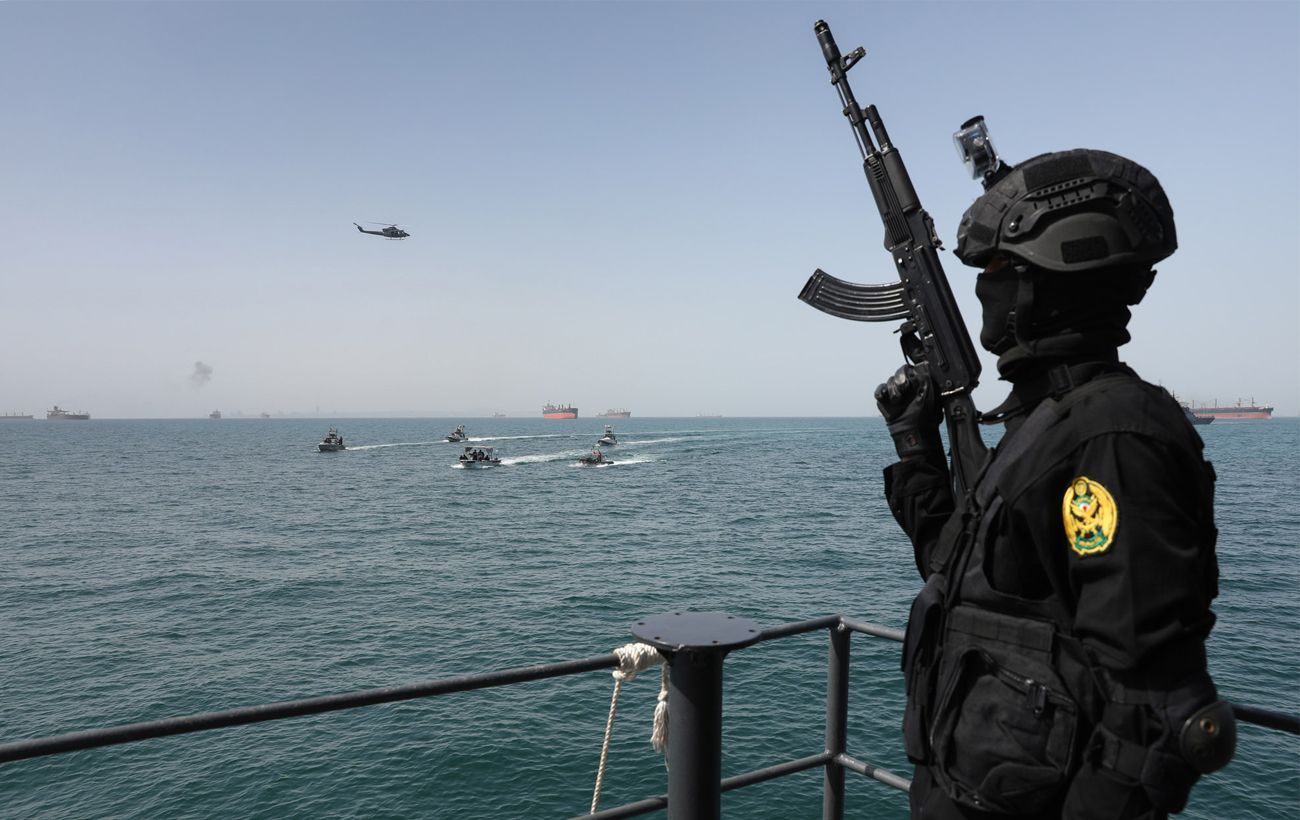
Iran is unlikely to reopen the Strait of Hormuz in the near future, as its control over this vital maritime route is a significant lever of influence against the United States.
According to intelligence reports, Tehran may continue to restrict navigation through the strait to maintain high energy prices, pressuring President Donald Trump to expedite a resolution to a conflict that has persisted for nearly five weeks and remains unpopular among American voters.
Reports indicate that the conflict, initially aimed at diminishing Iran’s military capabilities, may inadvertently strengthen its regional influence by showcasing Tehran’s ability to threaten this critical maritime corridor.
Trump has attempted to downplay the complexities involved in restoring shipping through the Strait of Hormuz, which accounts for approximately one-fifth of the world’s oil supply. Recently, he suggested that he might order U.S. forces to ensure the passage remains open.
However, analysts have long cautioned that any attempt to use military force against Iran, which controls one side of the strait, could be costly and draw the U.S. into a protracted ground war. One expert noted that Tehran is acutely aware of its capacity to affect global energy markets through its control of the strait, describing this leverage as “far more powerful than nuclear weapons.”
Iran's strategic control over the Strait of Hormuz continues to pose challenges for U.S. interests, potentially impacting global oil prices and regional stability. As tensions escalate, the implications of military action remain a critical concern for analysts.