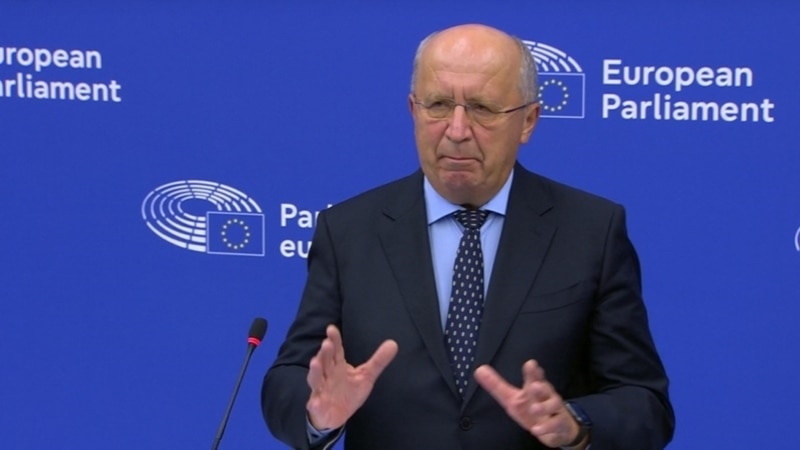
Andrius Kubilius, a prominent Lithuanian politician and former Prime Minister, has emphasized the necessity for the European Union to take its time in making decisions regarding project developments. He argues that while the EU’s deliberative process may seem slow, it often leads to outcomes that are more beneficial than the alternatives.
Kubilius highlighted the complexities involved in EU governance, where diverse member states must reach consensus before initiatives can be launched. This method, while sometimes criticized for its pace, ensures that all voices are heard and that decisions are made with careful consideration.
He pointed out that the EU’s approach allows for comprehensive evaluations of potential projects, which can ultimately enhance their effectiveness and sustainability. By weighing various factors and perspectives, the EU aims to avoid hasty decisions that might lead to negative consequences.
In discussions about upcoming projects, Kubilius noted that patience is often rewarded with better results. He stated, “Sometimes the EU needs more time to make decisions and start developing certain projects, but the outcome can be better than available alternatives.” This perspective underscores a commitment to thoroughness in the EU’s operational framework.
As the EU continues to navigate challenges and opportunities, Kubilius’s insights may serve as a reminder of the importance of a methodical approach in governance. The balance between speed and quality in decision-making remains a critical consideration for the future of the union.
Andrius Kubilius advocates for a careful decision-making process within the EU, arguing that thorough deliberation often yields superior outcomes. His comments reflect the complexities of EU governance and the importance of consensus among member states.