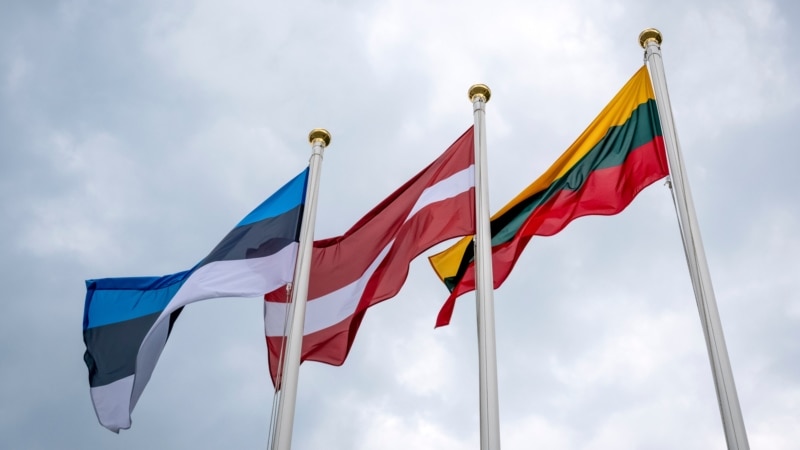
The Baltic nations have reiterated their position of not permitting the use of their territories or airspace for drone strikes targeting Russian objectives. This declaration underscores a commitment to regional stability amid ongoing tensions in Eastern Europe.
Officials from Estonia, Latvia, and Lithuania have consistently emphasized their role in maintaining security while avoiding direct involvement in military actions against Russia. This policy aims to prevent escalation and maintain a level of neutrality in the ongoing conflict.
The Baltic States, which share borders with Russia, have been particularly vigilant about their security since the onset of the Ukraine conflict. Their geographical proximity to Russia necessitates a careful balancing act between supporting Ukraine and avoiding provocations that could lead to retaliation.
In recent statements, leaders from these countries have highlighted the importance of diplomatic solutions and dialogue over military confrontation. They have called for a unified approach among NATO allies to address security concerns without compromising the sovereignty of their nations.
While the Baltic States support Ukraine in various capacities, including humanitarian aid and military training, they have made it clear that their airspace will not be used for offensive operations against Russia. This stance has been communicated in various forums, including NATO meetings and bilateral discussions with Western allies.
The ongoing conflict in Ukraine has significantly impacted the security landscape in Eastern Europe, prompting the Baltic States to enhance their defense capabilities. However, their policy of non-involvement in drone strikes reflects a strategic decision aimed at safeguarding their own national interests while contributing to regional security.
As the situation continues to evolve, the Baltic States remain committed to their principles, advocating for peace and stability in a region marked by uncertainty.
The Baltic States have reaffirmed their policy of not allowing their territories or airspace to be used for drone attacks on Russia, emphasizing a commitment to regional stability. This stance reflects their strategic approach to security amid ongoing tensions in Eastern Europe.