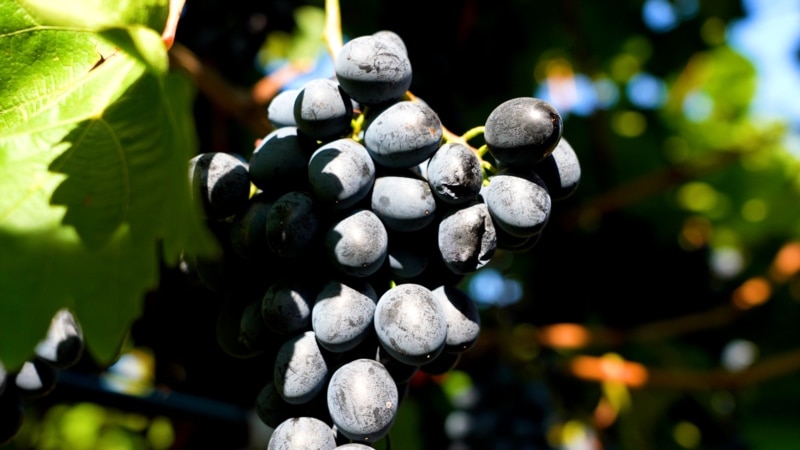
In a significant move, the Ukrainian government is preparing to implement licensing for the import of grapes, wine, and strong alcoholic beverages from Moldova. This decision comes as a direct response to Moldova’s recent ban on the import of Ukrainian poultry, which was enacted due to the discovery of antibiotic residues in feed from Ukraine.
Taras Vysotsky, Ukraine’s Deputy Minister of Economy, Environment, and Agriculture, described the licensing decision as a “mirror reaction” to Moldova’s actions. He emphasized that the ban on Ukrainian poultry imports, which has been in effect since late January, was deemed unjustified by Ukraine, especially since a thorough investigation revealed only a minimal amount of non-compliant products, which were subsequently disposed of.
“No other instances of antibiotic presence in feed were found, neither with this producer nor within the country,” Vysotsky stated.
Vysotsky further noted that there were no findings of antibiotic residues in poultry meat by either Ukrainian or Moldovan authorities. He characterized Moldova’s decision as an example of a non-tariff barrier to market access, particularly given that poultry is one of Ukraine’s largest export items.
Despite Ukraine’s efforts to maintain open communication and dialogue, the poultry export ban has persisted for over a month. Ukraine has informed Moldova of its intention to introduce licensing for the import of Moldovan wine and spirits but has yet to receive a response.
The draft resolution for this licensing is currently undergoing approval and may be adopted at the next government meeting, which occurs weekly on Wednesdays. If approved, the licensing could take effect as soon as March 5 or 6, 2023.
Vysotsky indicated that the Ukrainian government is willing to reconsider its approach if Moldova alters its stance. “If we see that dialogue is being restored and there is an objective response regarding trade with Ukraine, we are prepared to similarly respond to Moldova,” he remarked.
In 2025, Ukrainian poultry exports to Moldova were valued at approximately $33 million, while imports of Moldovan grape products into Ukraine amounted to around $40 million. Vysotsky acknowledged that these measures could lead to comparable losses for both nations, emphasizing that the goal is to foster trade and avoid restrictions that could result in financial setbacks.
On February 27, the Moldovan government communicated to local media that Ukraine had not yet notified them of any embargo and that they continue to maintain contact with their counterparts in Kyiv.
Ukraine is set to introduce import licensing for Moldovan wine and spirits in retaliation for Moldova's ban on Ukrainian poultry imports. This development highlights ongoing trade tensions between the two nations, which have significant economic ties.