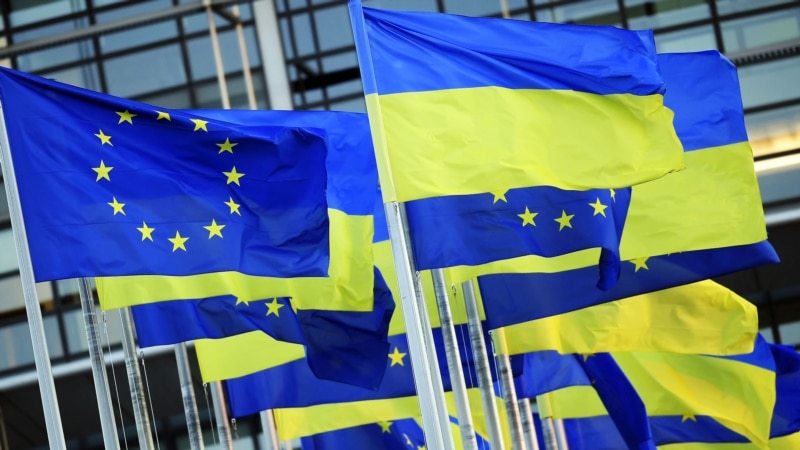
The European Commission has announced an allocation of €1.9 billion for humanitarian assistance in its 2026 budget, with a significant portion earmarked for ongoing crises around the globe. Among the allocations, €145 million is designated for humanitarian aid to Ukraine as the conflict with Russia enters its fourth year.
In addition to support for Ukraine, the budget includes €8 million for humanitarian projects in Moldova. The Commission’s figures indicate that approximately 239 million people worldwide are in need of assistance, while major donors have been reducing their contributions.
The funding breakdown includes:
- €557 million for regions in West and Central Africa, addressing needs in the Sahel, Lake Chad basin, northwestern Nigeria, southern Africa, the Great Lakes region, and the Horn of Africa.
- €448 million for the Middle East, particularly for Gaza following a fragile ceasefire last year, as well as for Iraq, Yemen, Syria, and Lebanon.
- €126 million aimed at humanitarian needs in Afghanistan, Pakistan, and Iran.
- €95 million for Central and South America and the Caribbean, where armed conflicts, widespread violence, political instability, severe inequality, and environmental challenges continue to create a complex humanitarian crisis.
- €73 million to support Southeast Asia and the Pacific, particularly in response to the crisis in Myanmar and its impact on Bangladesh.
- €14.6 million for North Africa, a region facing significant political, economic, and social challenges.
Furthermore, the Commission has set aside an additional €415 million in reserve for unforeseen emergencies and to support supply chains globally.
According to the Commission’s press release, “EU humanitarian aid provides vital assistance where it is needed most: emergency food and shelter, critical medical care, protection for the most vulnerable populations, and support for children’s education in crisis zones.”
On December 19, EU leaders approved a decision to provide Ukraine with €90 billion over the next two years. This funding, backed by the EU budget, is structured as a loan rather than reparations, which had been a topic of recent discussions. The loan is proposed to be divided into two parts: €30 billion for budgetary support and €60 billion for military aid.
The European Commission's 2026 budget allocates €1.9 billion for humanitarian aid, with substantial funding directed to Ukraine and various global crises. This reflects ongoing efforts to address widespread humanitarian needs amid diminishing contributions from major donors.