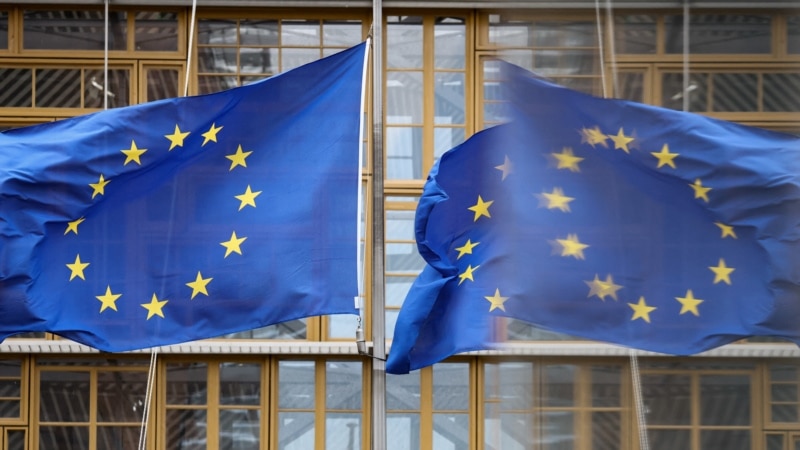
On March 16, foreign ministers from European Union member states will convene to address ongoing support for Ukraine, particularly in light of competing demands from conflicts in the Middle East that are straining military resources. Several European diplomats familiar with the agenda have shared insights regarding the discussions.
A key topic will be the proposed €90 billion loan to Ukraine, which has faced delays due to Hungary’s blockage despite an agreement reached at the EU leaders’ summit last December.
“A European leader made a commitment at the leaders’ level, and just weeks later, says, ‘You know what, maybe not.’ I consider this a major issue. Our focus must now be on ensuring that this loan, this €90 billion, reaches Ukraine as quickly as possible,” stated one diplomat.
This diplomat dismissed the idea of alternative plans being considered, emphasizing that the only viable option is the loan arrangement agreed upon by EU leaders in December. “There is one plan—the one agreed upon by the leaders, which Orbán signed. We expect this commitment to be honored, as it is untenable for an agreement made by leaders to be undermined by one member. If this is the new way of operating within the EU, we have a serious problem,” he added.
Another diplomat noted that a significant majority of member states are actively advocating for the loan to be approved. When asked how to persuade Hungarian Prime Minister Viktor Orbán to lift the blockage, the diplomat remarked that the argument is clear.
“This is about an agreement our leaders, the heads of government, reached back in December; this is not a new decision or arrangement. As you may recall, Hungary was not formally part of this agreement (24 EU states agreed to the loan, with Hungary, Slovakia, and the Czech Republic being exceptions). This is indeed an obstruction that we find very difficult to accept,” the diplomat explained, also referring to the retreat from an already established agreement as a serious issue.
Diplomats have refrained from speculating on whether Hungary’s veto will persist until the parliamentary elections in Hungary, where Viktor Orbán may face challenges to his leadership according to recent polls.
Slovakia and Hungary are also blocking the approval of the 20th sanctions package against Russia and the multi-billion euro loan to Ukraine, which was agreed upon by EU leaders during the December summit. The two countries have pledged to maintain their veto until the transportation of Russian crude oil through the Druzhba pipeline resumes.
The upcoming meeting of EU foreign ministers will focus on the delayed €90 billion loan to Ukraine, hindered by Hungary's veto. This situation reflects broader tensions within the EU regarding military support amid multiple regional conflicts.
Source: Radio Free Europe