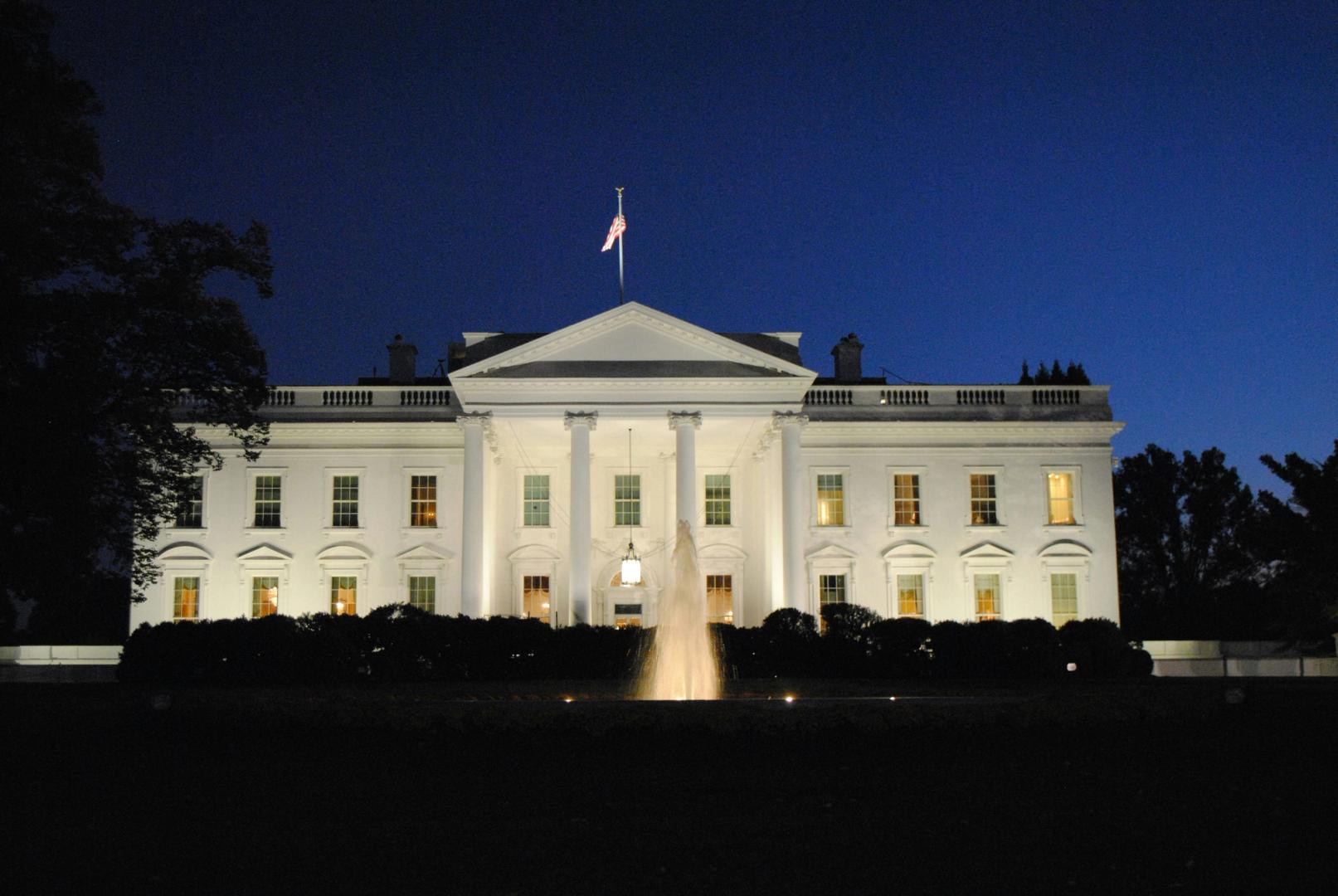
The White House’s crypto adviser has responded to JPMorgan CEO Jamie Dimon’s recent comments regarding the regulation of yield-bearing stablecoins. Patrick Witt, the executive director of the President’s Council of Advisors for Digital Assets, asserted that these stablecoins should not be classified as deposits and therefore do not require the same regulatory framework as banks.
Dimon had argued that stablecoin issuers paying interest on customer balances should be subject to banking regulations, emphasizing the need for a clear distinction between transaction rewards and interest on stored balances. He stated, “If you are going to be holding balances and paying interest, that’s the bank. You should be regulated by a bank.” Dimon proposed that banks would be amenable to allowing crypto platforms to offer transaction-based rewards, but insisted that firms resembling deposit-taking institutions must adhere to the same standards as traditional banks, including capital requirements, liquidity rules, and anti-money laundering measures.
In his rebuttal, Witt highlighted the Genius Act, which he claims prohibits stablecoin issuers from lending the reserves that back their tokens. He stated, “The deceit here is that it is not the paying of yield on a balance per se that necessitates bank-like regulations, but rather the lending out or rehypothecation of the dollars that make up the underlying balance.” Rehypothecation refers to the practice where banks utilize clients’ collateral to support their own borrowing activities.
This exchange comes amid ongoing tensions within the crypto industry, particularly following Coinbase CEO Brian Armstrong’s withdrawal of support for the proposed Clarity Act just before a scheduled Senate Banking Committee vote. This act aims to provide clearer regulatory guidelines for digital assets.
Witt’s comments underscore the broader debate surrounding the regulation of cryptocurrencies in the United States, especially as industry leaders and lawmakers navigate the complexities of integrating digital assets into the existing financial framework. The discussion is further complicated by President Donald Trump’s recent criticisms of the banking sector, which he accused of undermining stablecoin legislation.
As negotiations continue between the White House and representatives from both the crypto and banking sectors, the future of stablecoin regulation remains uncertain, highlighting the need for clarity in a rapidly evolving financial landscape.
The White House's crypto adviser, Patrick Witt, has countered JPMorgan CEO Jamie Dimon's call for stricter regulations on yield-bearing stablecoins, arguing that existing laws prevent issuers from lending reserves. This debate reflects ongoing tensions in the U.S. regarding cryptocurrency regulation and its intersection with traditional banking practices.