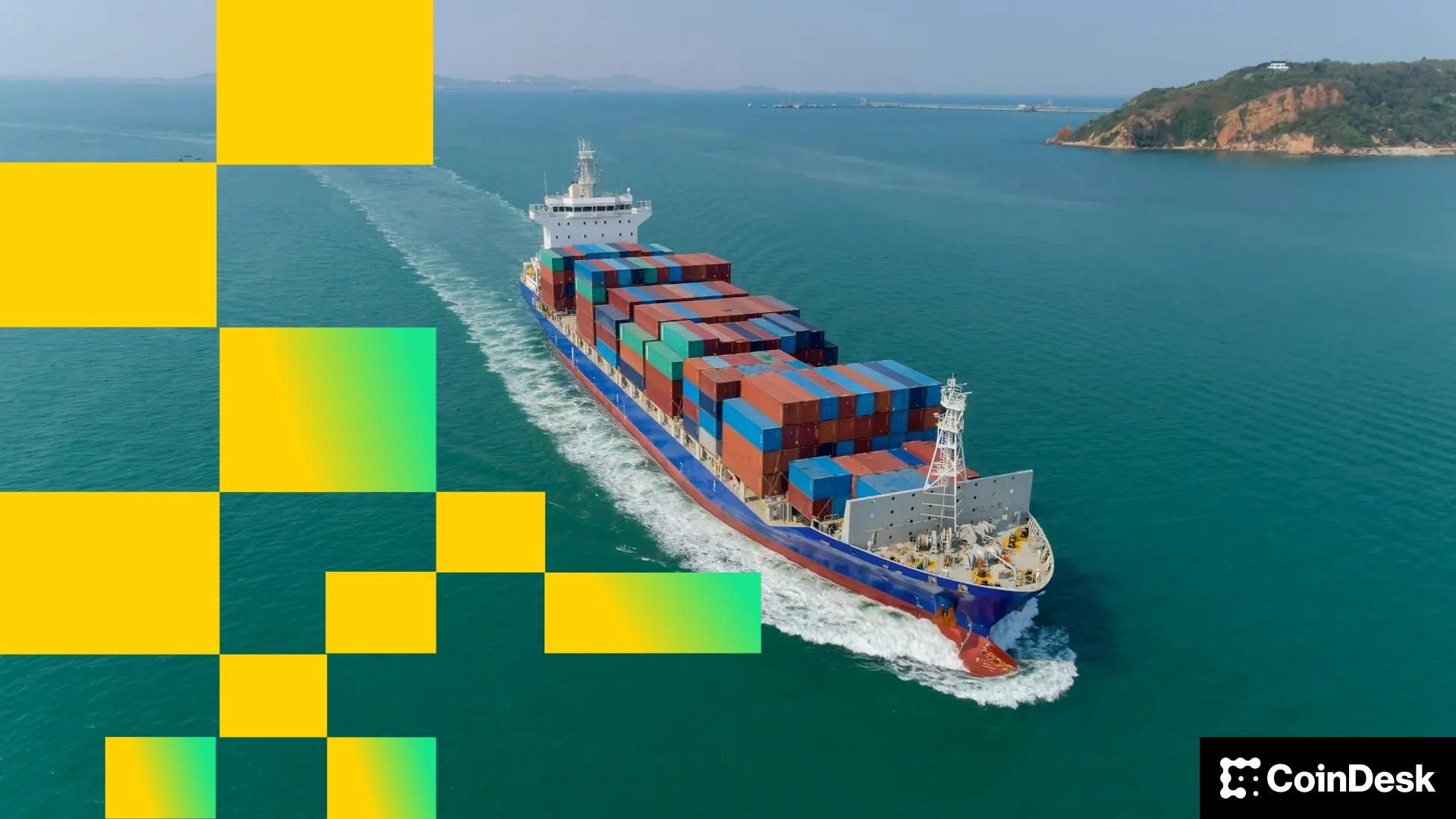
Recent military actions involving the United States and Israel against Iran have heightened concerns about the stability of the Strait of Hormuz, a crucial passage for global oil shipments. As fears of a potential closure of this vital waterway circulate, analysts caution that such a scenario is unlikely and may not be feasible.
On February 28, 2026, Israel and the U.S. executed airstrikes targeting Iranian nuclear facilities and missile capabilities following unsuccessful diplomatic efforts. In response, Iran launched ballistic missiles at both Israeli and U.S. military bases in the region, escalating tensions and sparking worries of a broader conflict.
The situation has led to significant fluctuations in the cryptocurrency market, particularly on platforms like X, where investors often react to geopolitical events. Bitcoin, the leading cryptocurrency, saw a drop from approximately $65,600 to $63,000 before partially recovering to around $65,000. Concurrently, oil futures surged by over 5% on Hyperliquid, reflecting market anxiety.
The Strait of Hormuz, which is only 21 miles wide at its narrowest point, is a critical chokepoint through which about 20 million barrels of oil are transported daily, according to the U.S. Energy Information Administration (EIA). This vital route connects oil-rich nations in the Persian Gulf to global markets, making its security paramount.
Concerns about a potential Iranian blockade have been amplified on social media, with some users predicting that a full military conflict could drive oil prices to unprecedented levels, possibly reaching $120 to $150 per barrel. Such a spike could have severe repercussions for global inflation and financial markets.
However, several experts argue that Iran closing the Strait of Hormuz would not only be detrimental to its own economy but also geographically impractical. Daniel Lacalle, a noted economist, pointed out that Iran currently produces 3.3 million barrels of oil per day but exports only half of that, primarily to China. He stated, “It would shoot itself in the foot” to block the strait, as it would severely limit its own oil exports.
Moreover, analysts believe that OPEC nations could quickly compensate for any potential disruption in oil supplies from Iran. The United States, being the largest oil producer globally, could also mitigate the impact of any supply shocks.
Geographically, the Strait of Hormuz is divided between Iran and Oman, with the shipping lanes predominantly located in Omani waters. This geographical reality means that even if Iran attempted to restrict access, oil tankers could still navigate through Omani waters, reducing the potential impact of an Iranian blockade.
Dr. Anas Alhajji, an energy market expert, emphasized that the strait has remained open throughout various conflicts in the past, suggesting that a complete closure is unlikely. He noted, “Hormuz strait has never been blocked despite all wars – It cannot be blocked. Too wide. Well protected.”
While the likelihood of Iran shutting the strait appears low, the ongoing military conflict could still lead to increased market volatility and risk aversion among investors, particularly in the cryptocurrency sector. Analysts warn that a significant escalation could drive Bitcoin prices below the critical support level of $60,000.
In summary, while the geopolitical landscape remains tense and uncertain, the prospect of a complete closure of the Strait of Hormuz seems improbable. Nevertheless, the ramifications of the current conflict could still reverberate through global markets, affecting oil prices and investor sentiment.
The recent U.S.-Iran military conflict has raised fears about the potential closure of the Strait of Hormuz, a critical oil passage. Experts, however, argue that such a closure is unlikely and may not be feasible, despite the ongoing tensions impacting global markets.