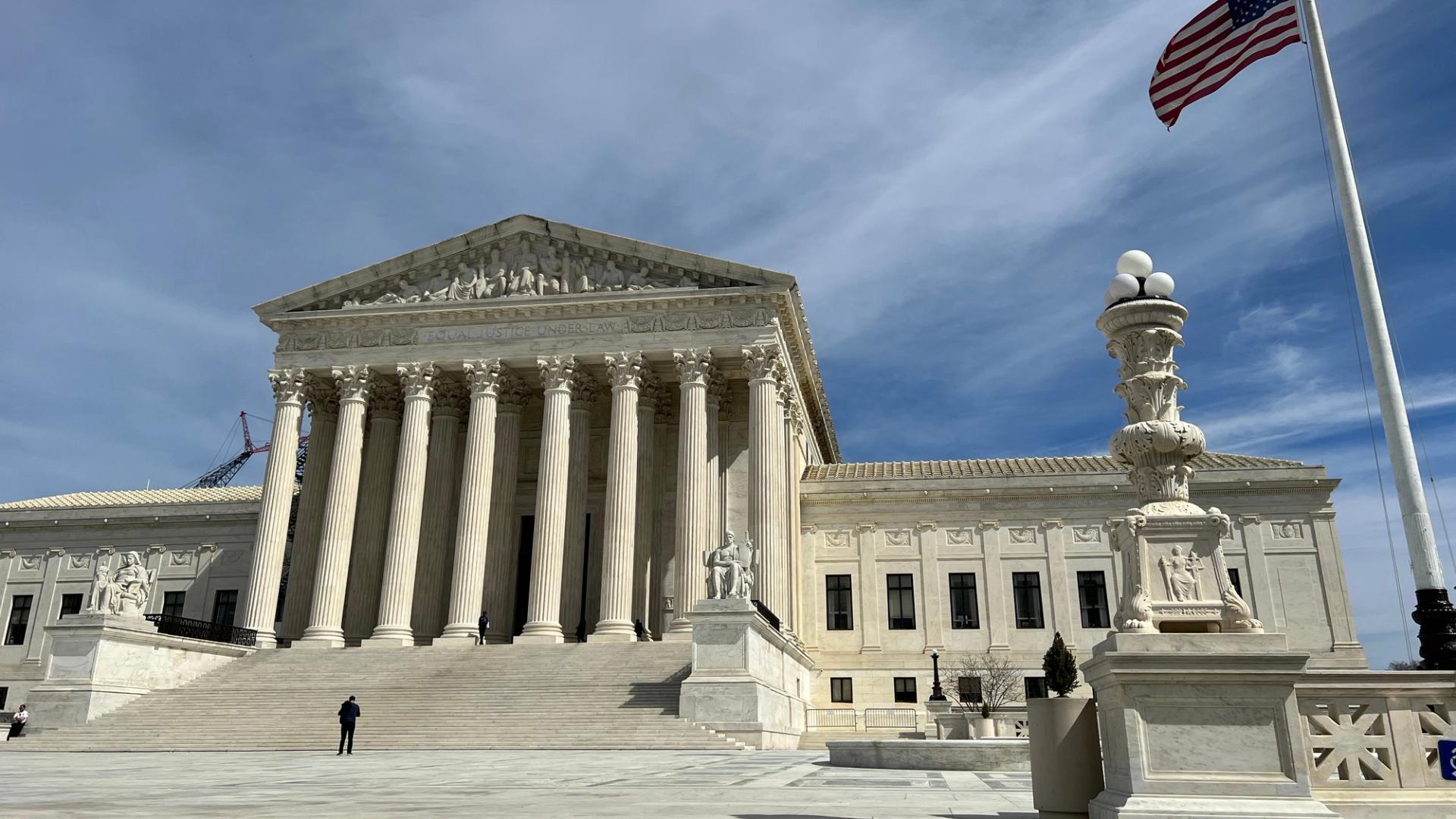
The U.S. Supreme Court has ruled against former President Donald Trump’s authority to impose tariffs under the International Emergency Economic Powers Act (IEEPA), a decision that could reshape trade dynamics and influence the cryptocurrency industry.
While the ruling has not significantly disrupted financial markets, its political ramifications are likely to resonate, particularly as Congress approaches midterm elections. Trump expressed disappointment with the ruling, asserting that he would explore alternative legal avenues to impose tariffs, including a proposed 10% global tariff.
In the wake of the Supreme Court’s decision, the legislative landscape for cryptocurrency is becoming increasingly precarious. The Digital Asset Market Clarity Act, a key piece of legislation aimed at establishing a regulatory framework for the U.S. crypto market, may face delays as political attention shifts. The urgency of this bill is underscored by the potential for significant changes in congressional control following the upcoming elections.
Senator Bernie Moreno, a Republican from Ohio and a vocal supporter of Trump and the cryptocurrency sector, criticized the Supreme Court’s decision, framing it as detrimental to American workers. Conversely, Senator Elizabeth Warren, a Democrat and the ranking member of the Senate Banking Committee, welcomed the ruling but highlighted the ongoing financial burden on consumers who have already been affected by the tariffs.
Warren noted that while the court’s ruling may prevent future tariff impositions, it does not provide a mechanism for consumers and small businesses to recover losses incurred due to previous tariffs. The Tax Foundation has estimated that households faced an average cost of $1,000 last year and $1,300 this year due to these tariffs.
The Cato Institute has suggested that there may be a possibility for refunds on the tariffs collected, although the process could be complex and burdensome for smaller importers who may lack the resources to navigate the legal landscape.
As the political climate evolves, the outcome of the midterm elections could significantly impact the trajectory of crypto legislation. Should Democrats gain a majority in the House of Representatives, they may impose stricter regulations on the crypto sector, complicating the passage of the Digital Asset Market Clarity Act.
In addition to the tariff ruling, speculation surrounding a potential U.S. government bitcoin reserve has emerged, following comments from CNBC’s Jim Cramer. However, officials have clarified that no such reserve exists and that taxpayer funds will not be allocated for cryptocurrency purchases.
The Supreme Court’s decision marks a pivotal moment in U.S. trade policy, with far-reaching implications for both the economy and the evolving landscape of cryptocurrency regulation.
The U.S. Supreme Court's ruling against Trump's tariffs could reshape trade policy and impact the cryptocurrency sector, particularly as Congress faces midterm elections. The political landscape may influence the passage of key legislation governing crypto markets.