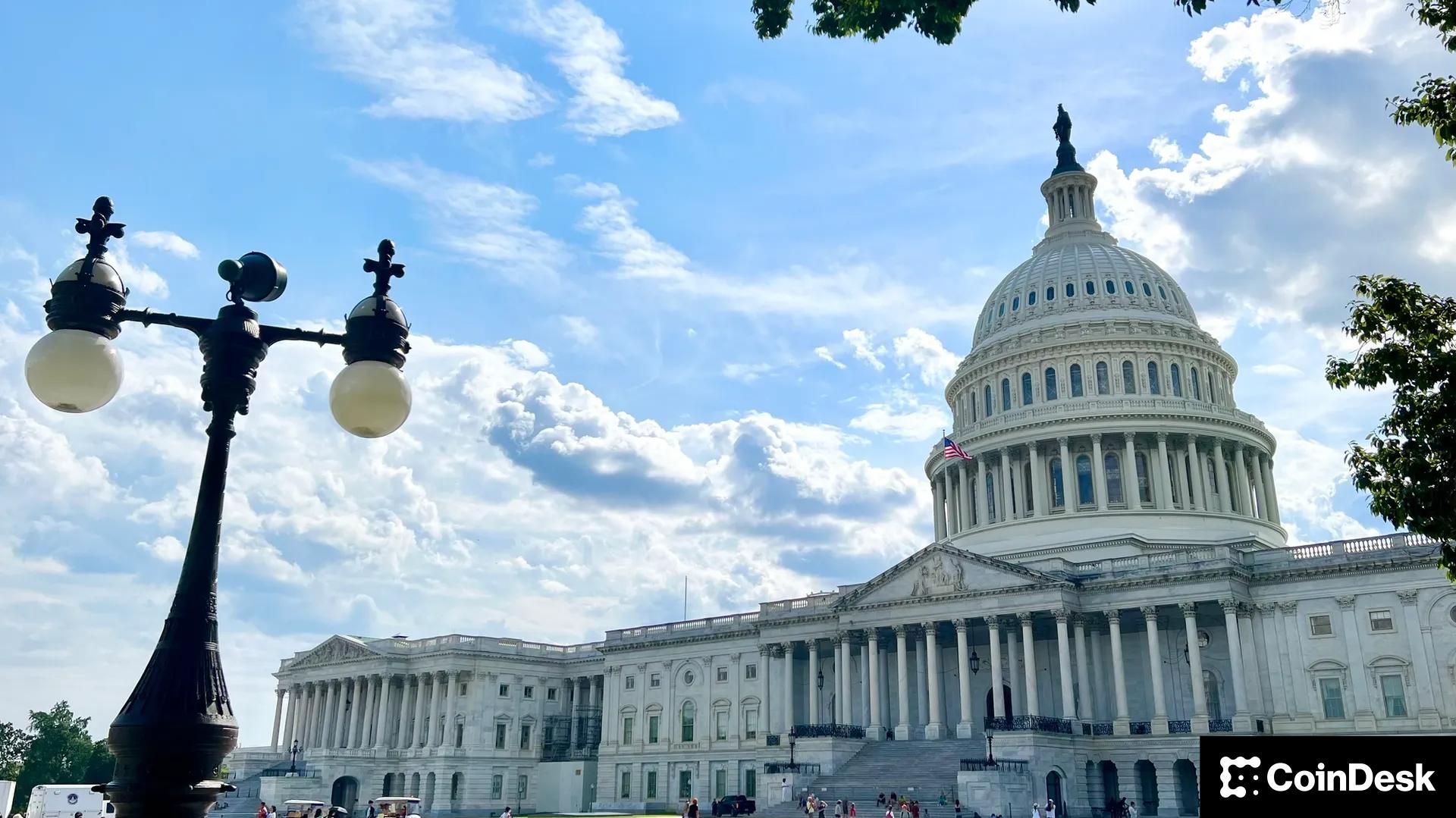
Efforts to advance a significant crypto market structure bill in the Senate are reaching a critical phase, with lawmakers actively negotiating key provisions. The White House is reportedly reviewing updated legislative language, as discussions continue on the Digital Asset Market Clarity Act.
On Thursday, Republican senators convened to address remaining issues that have stalled the bill’s progress. Among the concerns is the treatment of stablecoin yields, a contentious topic that has divided bankers and crypto advocates. While some senators, including Thom Tillis, appear to be leaning towards supporting the bill, additional compromises, particularly regarding decentralized finance, are still needed.
According to sources familiar with the negotiations, the stablecoin yield debate is nearing resolution. Lawmakers are exploring potential incentives for community bankers to gain their backing, which may include provisions related to recent housing legislation. The involvement of Trump administration officials in the Senate Banking Committee’s discussions indicates the high stakes of this legislative effort.
Senator Cynthia Lummis has expressed optimism that the committee will advance the bill by the end of April, but cautioned that further challenges remain. Key among these is the desire among Democrats for stricter regulations to prevent lawmakers from profiting off personal crypto investments, particularly targeting Trump. Additionally, Democrats are pushing for appointments to vacant positions at the Commodity Futures Trading Commission before new crypto regulations can be implemented.
Lummis has indicated that stablecoin rewards programs, which do not resemble traditional bank interest structures, may be preserved in the final bill. She compared these rewards to credit card incentives rather than bank account interest. Furthermore, she noted that Coinbase CEO Brian Armstrong has shown increased flexibility in discussions, a shift from previous opposition that had hindered earlier legislative efforts.
While Congress deliberates, the Securities and Exchange Commission (SEC) has been busy formulating new crypto policies, including a first-ever taxonomy for U.S. crypto assets. In a recent op-ed, SEC Chairman Paul Atkins and two Republican commissioners emphasized the necessity of a new law to support their regulatory framework, stating, “Only Congress can rewrite the law, and we stand ready to work with [Commodity Futures Trading Commission] Chairman Michael Selig to implement the CLARITY Act.” They underscored their commitment to providing a responsible regulatory approach as the market evolves.
As these discussions unfold, the landscape for cryptocurrency regulation in the U.S. remains dynamic, with significant implications for the industry and its stakeholders.
Negotiations in the Senate are intensifying as lawmakers work to finalize a crypto market structure bill. Key issues, including stablecoin yield treatment and decentralized finance, remain contentious, while the SEC pushes for new regulatory frameworks.