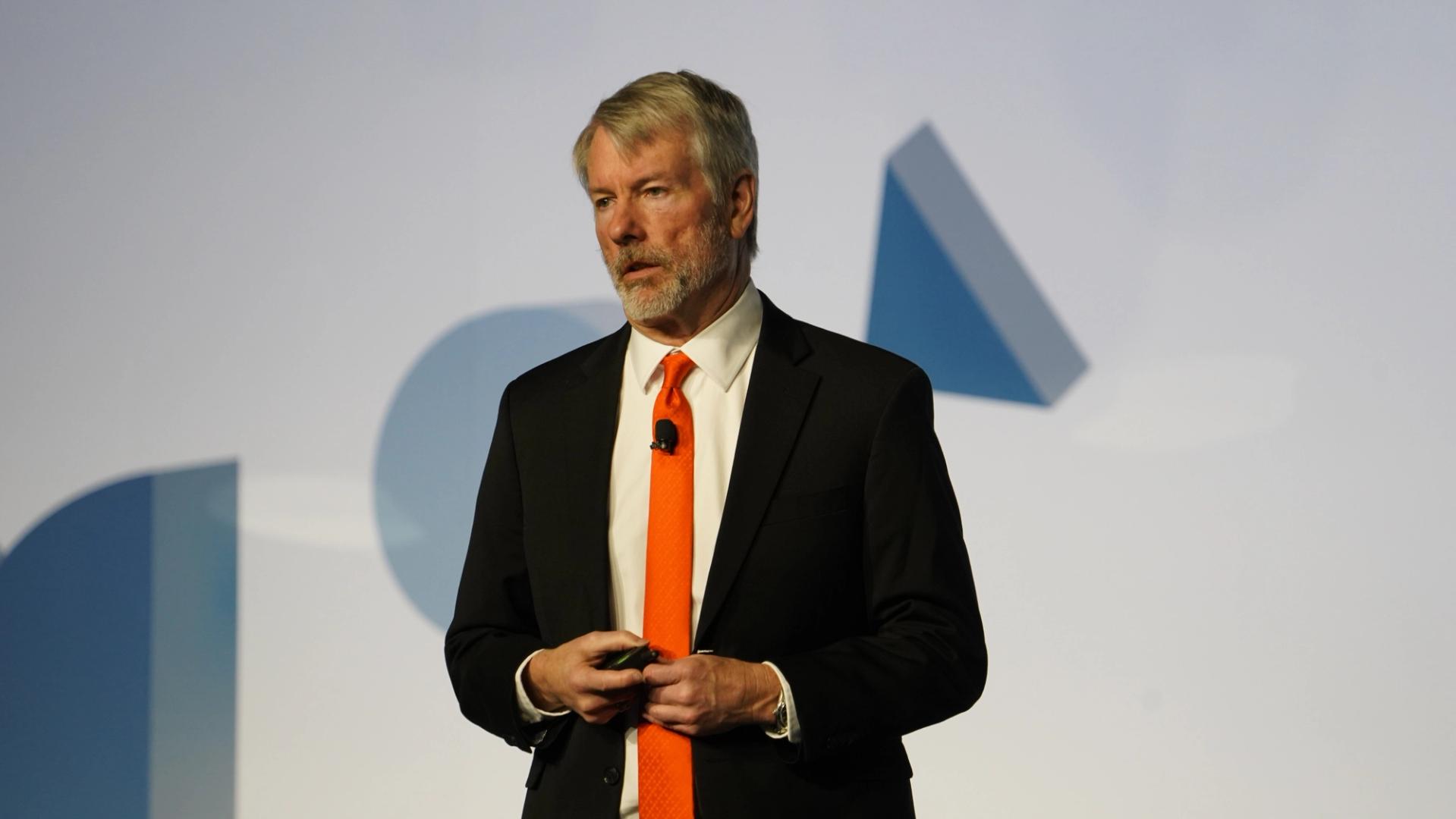
Michael Saylor, executive chairman of Strategy (MSTR), expressed optimism regarding the future of bitcoin, suggesting that the cryptocurrency likely reached its lowest point in early February at $60,000. Speaking at a recent event hosted by Mizuho, Saylor emphasized that market bottoms are not solely determined by valuation metrics but are influenced by seller exhaustion, as noted by analysts Dan Dolev and Alexander Jenkins.
Saylor highlighted that the dynamics of capital structure and liquidity play a more significant role in trend reversals than investor sentiment. He pointed to a current environment of limited selling pressure, driven by increasing demand from exchange-traded fund (ETF) inflows that are absorbing daily bitcoin supply, alongside companies reallocating treasury assets into the cryptocurrency.
Looking ahead, Saylor identified the integration of banking credit and digital credit as a key catalyst for the next bull market in bitcoin. He posited that this development would enable bitcoin to support a broader range of lending and credit activities, moving beyond traditional buy-and-hold strategies.
He also referenced the existing digital credit in the form of Strategy’s STRC preferred stock, which offers a yield of 11.5%. Saylor believes this yield is conservative compared to the company’s expectations for long-term bitcoin appreciation, asserting that Strategy is transforming bitcoin from a non-yielding asset into a more dynamic capital markets engine.
On the topic of quantum computing, which has sparked considerable debate regarding its potential risks to cryptocurrencies, Saylor argued that concerns are overstated. He characterized the threat as largely theoretical, suggesting that any significant risks are likely decades away and can be addressed with appropriate solutions.
Mizuho has maintained an outperform rating on Strategy, setting a price target of $320, which implies a potential upside of approximately 150% from the current trading price of $127.
Michael Saylor, executive chairman of Strategy, believes bitcoin has likely reached its market bottom and predicts future growth driven by banking and digital credit integration. He also downplayed the risks posed by quantum computing to cryptocurrencies.