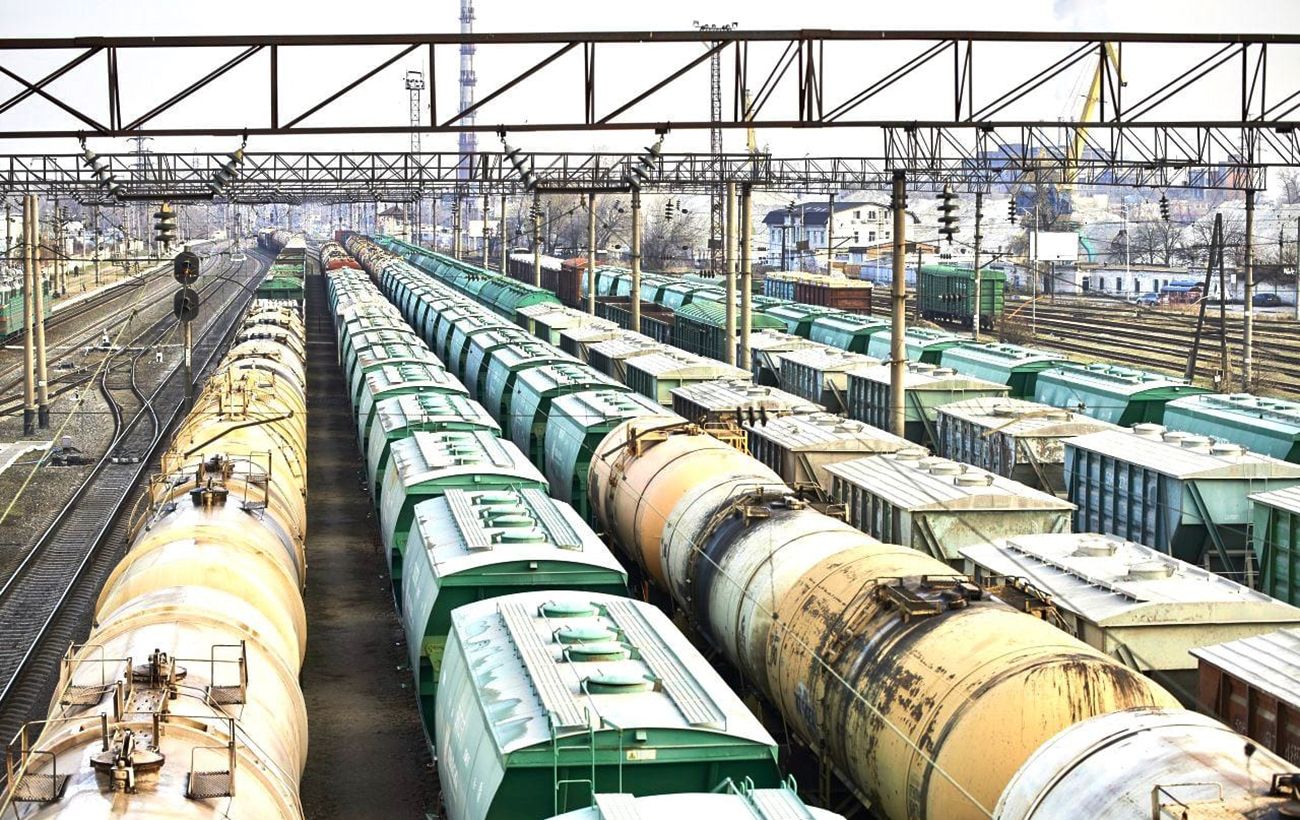
The introduction of Public Service Obligations (PSO) by Ukraine’s state railway company, Ukrzaliznytsia, aims to tackle the longstanding issue of chronic financial losses in passenger transport. This initiative is seen as a necessary step to alleviate the financial burden on freight transport tariffs, which have been used to offset losses in the passenger segment.
Experts note that passenger transport is not unique to Ukraine in its financial struggles; many countries subsidize this sector. However, European models of funding have been developed to minimize losses and even achieve self-sustainability in certain routes.
“For Ukrzaliznytsia, this represents an acknowledgment of the persistent financial challenges in passenger transport. Similar models are operational in various European nations, and Ukraine should adopt these practices, especially in light of its integration into the European transport framework,” stated economist Andriy Zablovskyi.
Zablovskyi emphasized that the current mechanism is experimental and serves as a pilot project. The government is testing whether European funding models can be effectively implemented in Ukraine, particularly given the ongoing war and the resulting infrastructure challenges.
He added, “Doing nothing would have been far worse. The infrastructure situation is deteriorating due to constant attacks, leading to increased repair costs. In this context, the state, businesses, and citizens have a vested interest in ensuring the railway continues to operate reliably.”
Rail transport remains crucial for Ukraine, especially amid the war, as there are currently no large-scale alternatives. Therefore, exploring new funding models is essential for maintaining stability in the sector.
Zablovskyi believes that the PSO could potentially reduce financial pressure on Ukrzaliznytsia and partially resolve the issue of cross-subsidization, where losses in passenger services are covered by freight transport revenues.
“If this model proves effective, the need to compensate for passenger transport losses through increased freight tariffs will diminish. However, immediate results should not be expected; this is not a magical solution,” he concluded.
In a related development, the Ukrainian Parliament’s Economic Development Committee has recommended that the government keep freight tariffs unchanged through 2026. Increasing tariffs under current conditions could have severe repercussions for industries such as metallurgy, mining, chemicals, and construction materials, which are already grappling with an energy crisis, workforce shortages, rising costs, and the impacts of war.
Previously, Ukrzaliznytsia sought to raise freight tariffs by 40% to cover passenger service losses, which have reached 22 billion UAH. However, the Ministry of Economy opposed this move, arguing that before any tariff increase, Ukrzaliznytsia must update its tariff schedule, which has not been revised since 2009.
“A general tariff increase will not yield results. Some freight will shift to roads, or simply disappear due to business closures,” stated the Minister of Economy.
Ukraine's introduction of Public Service Obligations for its railways aims to address chronic financial losses in passenger transport while alleviating pressure on freight tariffs. Experts emphasize the need for effective funding models, especially in the context of ongoing infrastructure challenges due to the war.