A recent directive from Ukraine’s Ministry of Infrastructure regarding the decommissioning of freight wagons based on their calendar age has drawn criticism for conflicting with European Union practices and posing potential economic risks.
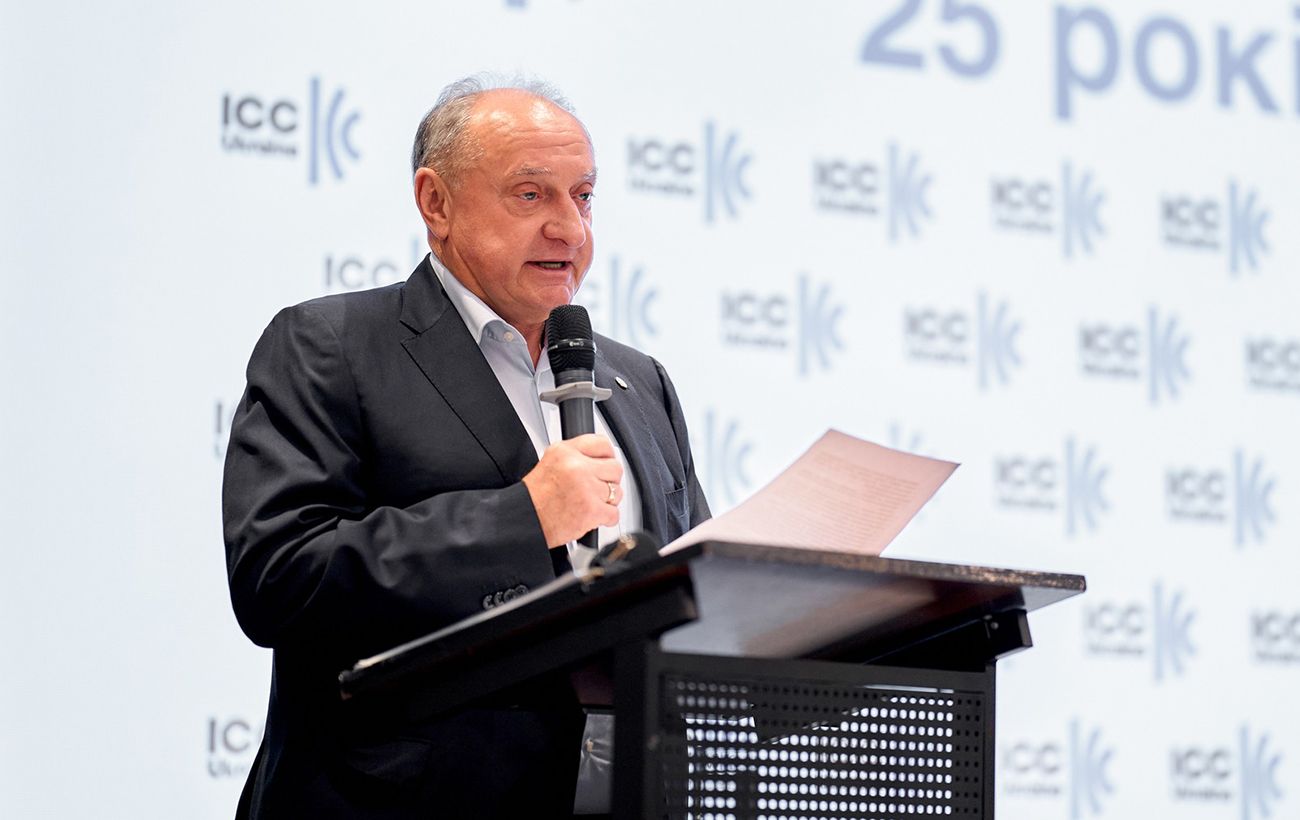
This statement was made by Volodymyr Shchelkunov, president of the International Chamber of Commerce in Ukraine, following a decision by the Supreme Court of Ukraine to uphold the directive.
Shchelkunov emphasized that the new rules will shape the freight transportation market for years to come, significantly impacting industries such as manufacturing, agriculture, and logistics.
In many EU countries, the primary criterion for the continued operation of freight wagons is their technical condition, determined through regular inspections, repairs, and upgrades, rather than their age. In Europe, the average age of freight wagons often exceeds 40 years, with some wagons in service for 60 to 70 years, provided they undergo proper technical diagnostics.
He warned that strict age limits could lead to a substantial reduction in the freight wagon fleet, resulting in a shortage of rolling stock. This would likely increase transportation costs and diminish the competitiveness of Ukrainian products in global markets.
While acknowledging the need for modernizing the freight wagon fleet, Shchelkunov argued that this process should be gradual and take into account the current economic conditions. Preliminary estimates suggest that a comprehensive fleet upgrade could require over 120 billion UAH in investments.
The ICC Ukraine has stressed the importance of aligning Ukraine’s transportation policies with European standards and maintaining stable regulations for the market, especially in the context of ongoing conflict and future post-war reconstruction.
The Ukrainian government's new policy on freight wagon decommissioning, based on age rather than technical condition, raises concerns about its alignment with EU practices and potential economic repercussions. Experts warn that strict age limits could lead to a significant reduction in the freight wagon fleet, increasing costs and negatively impacting Ukraine's global competitiveness.