Ukraine has experienced a significant shift in its electric vehicle (EV) market, which had been on an upward trajectory for several years. Recent changes in import tax policies have led to a decline in the sales of electric cars, prompting questions about the future of EVs in the country.
Key Developments:
- Dominance of Electric Vehicles: The rise of electric cars in Ukraine was fueled not only by attractive pricing but also by favorable government policies.
- End of Import Benefits: The cancellation of tax incentives has led to a noticeable decrease in the registration of new electric vehicles.
- Challenges for EV Owners: Issues such as blackouts and rising electricity tariffs have diminished the appeal of electric cars, leaving owners reconsidering their choices.
- Future Outlook: Experts suggest that while electric vehicles may become niche products, there is potential for a resurgence in popularity.
Over the past few years, Ukraine saw a surge in electric vehicle purchases, with both new and used models gaining traction. This trend began around 2018, when the government implemented several incentives:
- The elimination of a 20% value-added tax on imported electric vehicles.
- The removal of a 10% import duty.
- The introduction of a symbolic excise tax of one euro per kilowatt-hour of battery capacity, significantly lower than previous rates.
- The establishment of channels for importing affordable, quality electric vehicles from China.
By 2025, electric vehicles accounted for approximately one-third of all cars purchased in Ukraine, totaling over 107,000 units, not including internal resales.
However, in January 2026, the government removed these tax benefits, coinciding with stricter export regulations in China that impacted the availability of new electric vehicles.
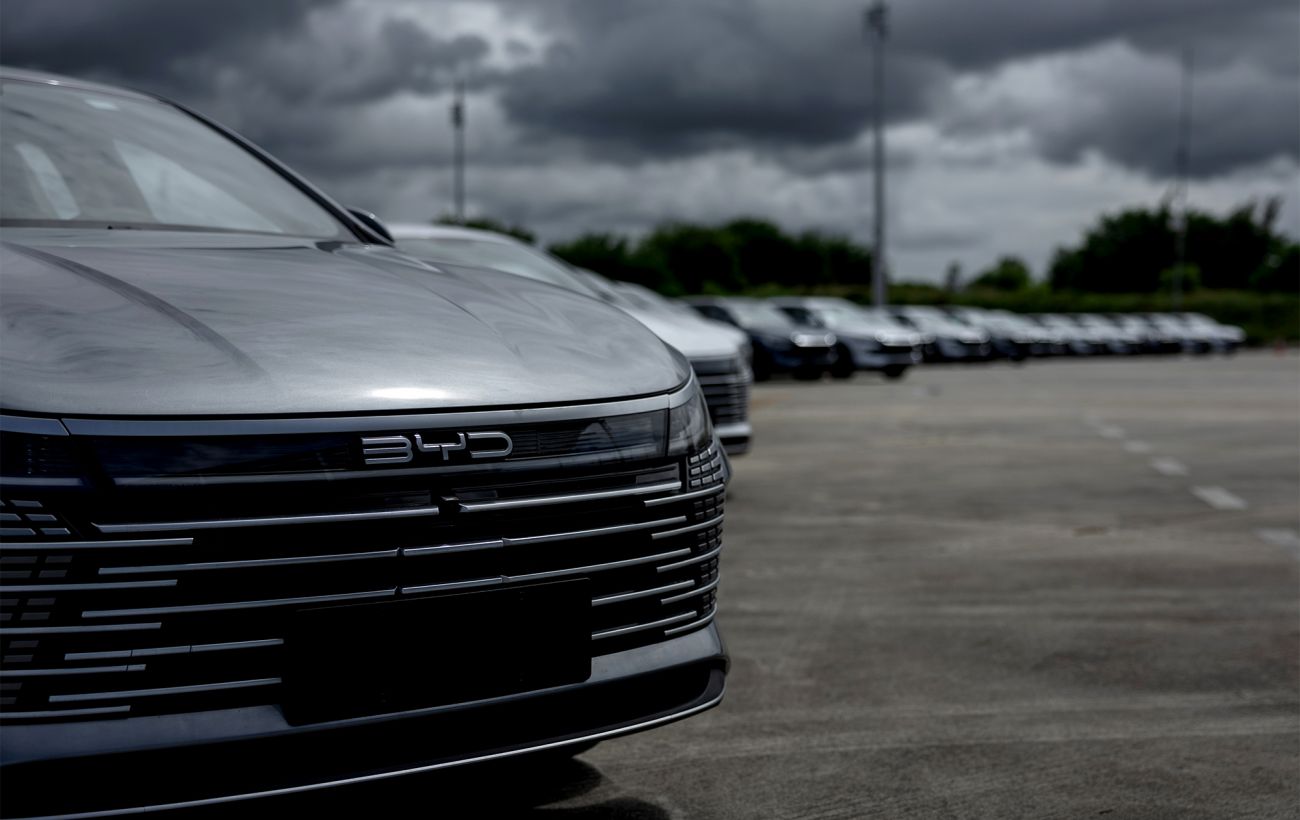
As the market evolved, brands previously unfamiliar to Ukrainian consumers, such as BYD, Zeekr, and Xiaomi, began to dominate sales. Established manufacturers also introduced electric models tailored for the Chinese market, which quickly gained popularity in Ukraine.
The reasons for this shift were distinct from those in Western markets, where environmental concerns often drive consumer choices. In Ukraine, the affordability of Chinese electric vehicles played a crucial role:
- Chinese models were priced $3,000 to $6,000 lower than their European counterparts.
- Electric vehicles from China often cost the same as traditional fuel-powered cars.
- Lower operating costs for electric vehicles contributed to their appeal.
- Enhanced performance and advanced technology attracted consumers.
Despite these advantages, the market began to shift again in late 2022. In December, just before the removal of tax incentives, electric vehicles represented 40% to 50% of sales. However, by early spring 2023, sales of electric vehicles had plummeted, with traditional gasoline and diesel cars regaining popularity:
- Overall vehicle sales dropped by 13% compared to January.
- No electric vehicles made it into the top ten best-selling models in February, a stark contrast to previous months.
As electric vehicle prices increased, interest waned. While sales of gasoline and diesel vehicles remained stable, the enthusiasm for electric models diminished.
Expert opinions suggest that the initial surge in electric vehicle sales was driven by a temporary influx of imports. According to automotive expert Yevhen Mudzhyri, “The demand for electric vehicles was satisfied in advance. The market is now adjusting after a period of rapid growth. The incentives were a strong catalyst, but the popularity of electric vehicles in Ukraine is now self-sustaining.” He noted that despite rising electricity tariffs, charging an electric vehicle at home remains significantly cheaper than filling a gasoline tank.
However, challenges have emerged regarding charging infrastructure. Following extensive power outages caused by attacks on the energy system, many EV owners struggled to find reliable charging options. Additionally, the cost of public charging increased by one-third, making it more expensive than refueling with gasoline.
Looking ahead, experts believe that electric vehicles will continue to exist in the market, albeit in a different capacity. Mudzhyri suggests a shift in consumer behavior from purchasing based on low taxes to viewing electric vehicles as modern gadgets. The market may see a focus on popular models and budget-friendly options, as well as a rise in domestic resale activity due to the absence of VAT on internal transactions.
Chinese manufacturers are expected to continue reducing production costs, ensuring that even with new taxes, electric vehicles will often remain cheaper than comparable gasoline models. The overall cost of ownership and efficiency will likely appeal to consumers who drive frequently.
Ukraine's electric vehicle market is facing significant challenges following the removal of import tax benefits, leading to a decline in sales and a return to traditional fuel-powered cars. Experts suggest that while the market may shift, electric vehicles will continue to play a role, especially as production costs decline.