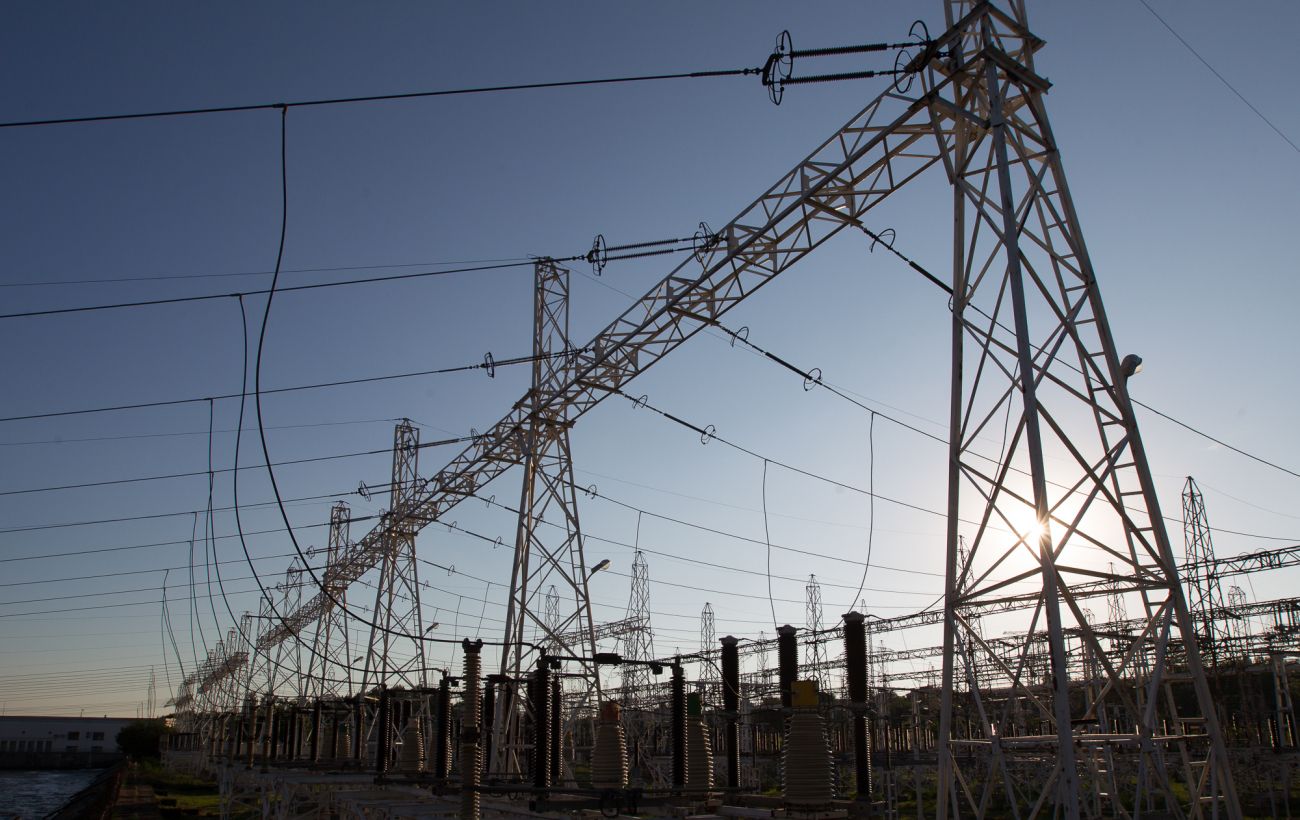
Ukraine has restarted its electricity exports to Europe, although the volumes are minimal and only occur during specific hours when there is a temporary surplus in generation.
According to energy expert Volodymyr Omelchenko, the overall balance of the energy system may still show a deficit throughout the day. However, during certain periods, particularly at night or during the day when solar power plants are operating at full capacity, there can be an excess of electricity.
“During specific hours, especially at night or during the day when solar generation is high, we see a surplus of electricity. There are no large storage systems available to hold this excess. Therefore, exporting small amounts during these times is preferable, allowing us to generate revenue that can be reinvested into the energy sector,” Omelchenko explained.
This export strategy also helps to avoid the forced shutdown of power plants. Restarting units, particularly nuclear or thermal plants, incurs significant technological and financial costs.
Despite the exports, some regions may still experience electricity outages. This is primarily due to damage to networks and generation facilities caused by Russian attacks. Omelchenko noted that transmitting electricity to certain areas can sometimes be more challenging than exporting it across international borders.
Ukraine's limited electricity exports to Europe are driven by temporary surpluses during specific hours, despite ongoing regional outages due to infrastructure damage. The strategy aims to generate revenue while avoiding costly shutdowns of power plants.