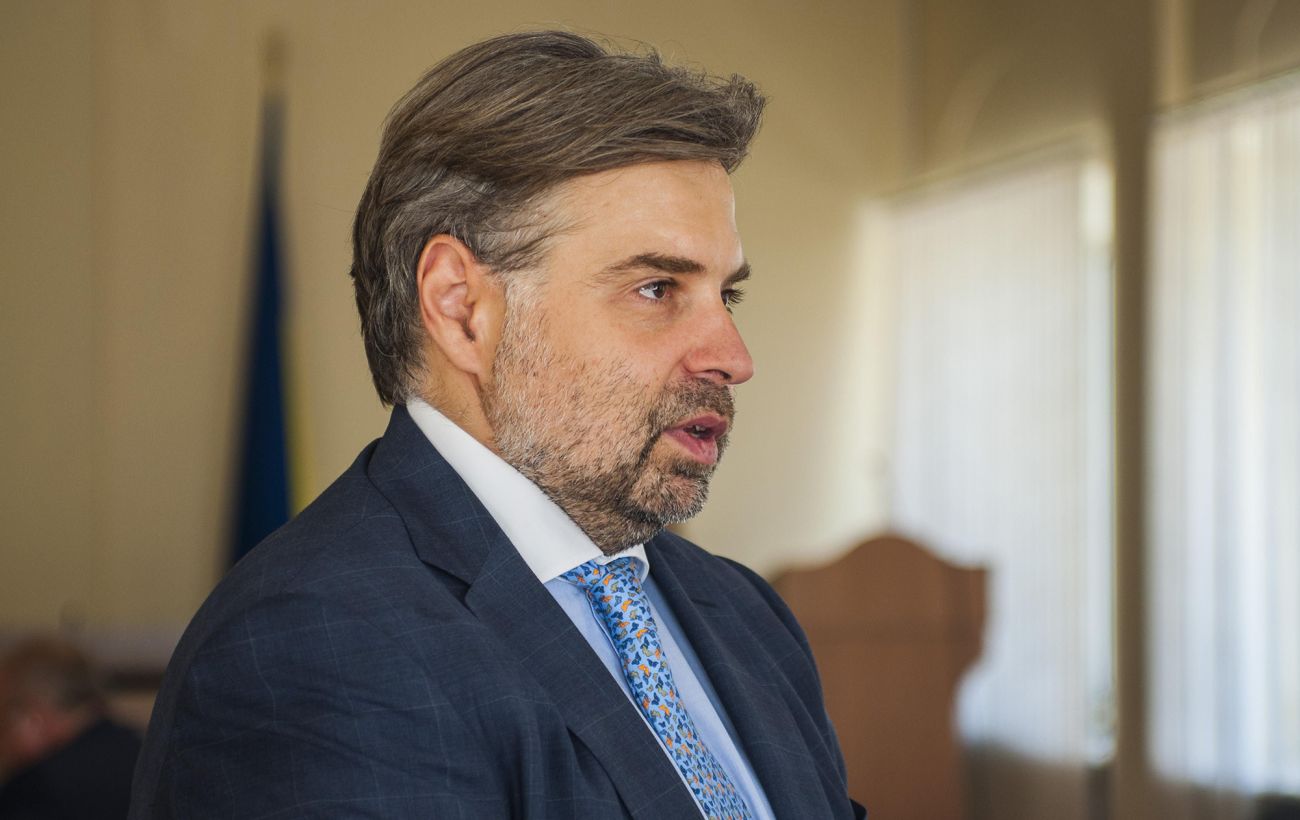
In a significant move to bolster its struggling steel sector during wartime, Ukraine has introduced a zero quota on scrap metal exports until the end of 2025. This decision has garnered backing from Brussels, according to Alexander Kalenkov, president of the Ukrainian Metallurgical Industry Association (Ukrmetallurgprom).
Kalenkov stated that Polish objections to this measure lack merit given the current market conditions. He noted a dramatic increase in Ukraine’s scrap metal exports, which surged from 50,000 tons in 2022 to an anticipated 450,000 tons in 2025. However, domestic scrap collection has sharply declined, resulting in a shortfall of approximately 200,000 tons in the local market.
“In 2025, metallurgical facilities produced less steel than their capacity would allow, leading to an estimated loss of $700 million in foreign earnings and billions in tax revenue for Ukraine,” Kalenkov remarked.
Scrap metal is crucial for steel production through various methods, including the electric arc furnace process, impacting both production volume and costs related to CO₂ emissions.
According to Kalenkov, the mining and metallurgical sector remains one of the few industries generating foreign currency income and tax revenues amid the ongoing conflict. Moreover, local companies are producing specialized steels for the defense sector and constructing fortifications.
In response to Polish concerns, Kalenkov emphasized that the amount of scrap metal exported from Ukraine is not vital for the Polish market. He pointed out that Poland’s annual scrap market amounts to about 7 million tons. In 2024, Ukraine exported 350,000 tons to Poland, accounting for less than 5% of the Polish market, while Poland itself exported approximately 3 million tons.
“If Poland exports seven times more scrap than what Ukraine supplies, it’s clear that there isn’t a pressing need for Ukrainian scrap,” Kalenkov asserted.
He also indicated that a large portion of Ukrainian scrap had previously been transiting through Poland to third countries, such as Turkey, to avoid a €180 per ton export duty in Ukraine. The association estimates that in 2024, the budget could have gained over €80 million in duties had they been paid.
Kalenkov mentioned ongoing consultations with the European Commission and relevant EU bodies since 2023, with Ukraine’s position gaining understanding in Brussels. He also highlighted that Poland has a favorable trade balance with Ukraine, with imports from Poland amounting to nearly $8 billion in 2025, compared to $5.1 billion in Ukrainian exports to Poland. Following the loss of Pokrovsk, Ukraine has been sourcing Polish coking coal and coke, which supports the Polish coal industry.
“We do not pose a threat to Poland. Should restrictions on Ukrainian products lead to our factories shutting down, we would simply procure fewer Polish goods, including coke and coking coal,” he stated.
Kalenkov further emphasized that Ukraine’s temporary scrap export limitations align with European practices. The EU plans to restrict scrap exports to non-OECD countries starting in 2027 under the Steel Action Plan.
Ukraine’s new export policy for scrap metal aims to support its steel industry amid wartime challenges. The decision, backed by EU authorities, has provoked Polish objections, which Ukrainian officials argue are unfounded based on market realities.
Source: RBC-Ukraine